

UNDP and GIZ Pakistan Launch Joint Initiative to Build Climate Resilience in Punjab’s Citrus and Potato Value Chains
Project backed by Germany's BMZ will help small agribusinesses in Sargodha and Okara access climate risk finance and become market-ready.
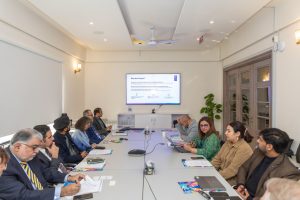
Islamabad, Pakistan: When climate shocks hit, small farm businesses are often the first to lose everything. To change that, the United Nations Development Programme (UNDP) in Pakistan and GIZ Pakistan have launched a joint initiative to strengthen the climate resilience and competitiveness of citrus and potato value chains in Sargodha and Okara, Punjab.
The project is supported by the German Federal Ministry for Economic Cooperation and Development (BMZ). It focuses on agricultural micro, small and medium enterprises (MSMEs), the businesses at the heart of rural livelihoods that are often least equipped to absorb the financial blow of floods, heatwaves, droughts and erratic weather.
Why Small Farm Businesses Are Most at Risk
Pakistan is among the countries most exposed to climate change impacts. Agriculture, which supports millions of livelihoods, sits on the front line. Large agribusinesses can often draw on reserves, insurance or credit to recover after a disaster. Small farm enterprises usually cannot. A single failed season, a damaged storage facility or a disrupted transport route can wipe out years of progress.
The new initiative targets that gap. By pairing financial protection tools with business development support, UNDP and GIZ aim to ensure small producers and traders can recover faster and keep operating when climate shocks strike.
What the Project Will Do
The initiative will help agricultural MSMEs in three main ways:
1. Access financial protection against climate risks. The project will help businesses reach climate risk finance solutions that cushion losses when extreme weather hits, so a shock does not become a collapse.
2. Improve business performance. Alongside financial protection, the project will support MSMEs in strengthening their operations, so they can use resources more efficiently and grow more sustainably.
3. Become competitive and market-ready. The initiative will help enterprises meet the expectations of buyers and markets, opening doors to better opportunities within and beyond their local value chains.
Why Sargodha and Okara, and Why Citrus and Potatoes?
The two districts were chosen for their agricultural significance. Sargodha is widely known as a centre of citrus production in Punjab, while Okara is a prominent potato-growing area. Both crops support not only farmers but also a broader ecosystem of input suppliers, traders, transporters, processors and exporters.
Focusing on value chains, rather than farms alone, allows the project to strengthen the whole system. A resilient value chain means producers, aggregators, processors and sellers can all withstand shocks together, protecting jobs and incomes across the local economy.
A Locally Owned Model That Can Scale
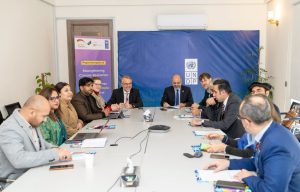
The ultimate goal goes beyond two districts. The initiative aims to deliver a proven, locally owned model for climate risk finance and market-competitive value chains that can be scaled across Pakistan.
A locally owned approach matters. Solutions designed with and for local businesses, financial institutions and communities are more likely to last after donor-funded projects end. If the model works in Sargodha and Okara, it could offer a blueprint for other crops and regions facing similar climate pressures.
Protecting Livelihoods, Local Economies and Communities
The partners say the broader purpose is to help livelihoods, local economies and communities keep moving forward despite a changing climate. Rural enterprises employ workers, buy local inputs and feed families, so their stability has ripple effects well beyond the farm gate.
The initiative also reflects a growing recognition among development partners that adaptation and economic competitiveness must go hand in hand. Resilience is not only about surviving the next flood or heatwave but about building businesses strong enough to grow, invest and compete.
About the Partners
UNDP Pakistan works with government, civil society and the private sector on sustainable development, climate action and inclusive economic growth.
GIZ Pakistan implements development cooperation programmes on behalf of the German government, with a focus on sustainable economic development, environment and climate.
BMZ is Germany’s federal ministry responsible for development cooperation, and it supports this initiative as part of its partnership with Pakistan.
Frequently Asked Questions
What is the UNDP-GIZ climate resilience initiative in Pakistan?
It is a joint project, supported by BMZ, to strengthen the climate resilience and competitiveness of citrus and potato value chains in Sargodha and Okara, Punjab.
Who will benefit from the project?
Agricultural MSMEs in the citrus and potato value chains, along with the workers, families and communities that depend on them.
What is climate risk finance?
It refers to financial tools, such as insurance and other protection mechanisms, that help businesses absorb and recover from losses caused by climate-related events.
Will the model be used elsewhere in Pakistan?
That is the goal. The project aims to create a locally owned, proven model that can be scaled across the country.
Looking Ahead
As climate shocks become more frequent and severe, the question for Pakistan’s rural economy is not only how to respond to disasters but how to prepare for them. By combining climate risk finance with stronger, more competitive value chains, the UNDP-GIZ initiative offers a practical path toward that preparation, starting with the small farm businesses that have the most to lose.
For more on the initiative, follow UNDP Pakistan and GIZ Pakistan on their official channels.