
COP31 Ends Without Deal in Antalya After Record Overtime as EU and Others Reject Text
COP31 closed in Antalya without a climate pact after a record 44 hours of overtime, as the EU and others rejected a text that omitted fossil fuels.
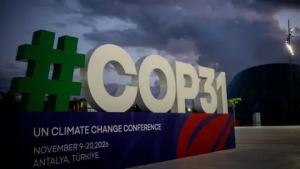
The UN climate summit COP31 ended on Sunday, 22 November, without a climate pact, after the European Union and others rejected a final deal put forward by the presidencies of Türkiye and Australia as too weak. More than two weeks of negotiations spilled two days into overtime, making it the longest COP on record.
What happened at the closing plenary
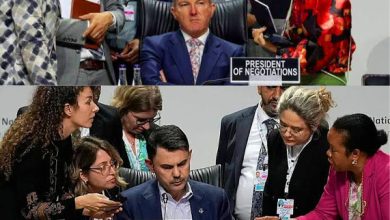
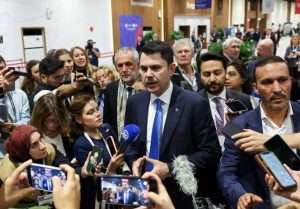
COP31 President Murat Kurum said he understood there was no agreement on the text, and declared that the proposed Antalya Pact and its cover decision had not been adopted. Conference rules require unanimous agreement, so even one country’s objection can derail a decision. The final draft had been released earlier on Sunday, two days after the conference was scheduled to end.
The sticking point: fossil fuels
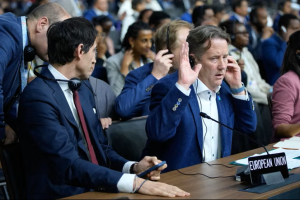
The final text named no fossil fuel at all, and referred only indirectly to the Dubai agreement. The European Union formally objected, saying the text failed to meet the moment and that omitting any reference to fossil fuels or a transition away from them was unconscionable. The EU’s O’Brien said the bloc would not endorse a cover decision that did not mention fossil fuels, the key driver of climate change, and France’s Monique Barbut called the proposal a backward step.
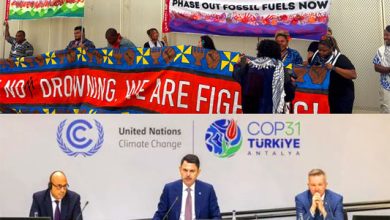
Panama rejected the outcome, saying governments should act, not negotiate the minimum, and the Marshall Islands withheld support, calling the deal a betrayal of its people. Ghana, for the African Group, acknowledged shortcomings on finance, loss and damage and just transition, but said the group would not block consensus. Saudi Arabia defended the text’s references to carbon capture and storage. Reports say some countries insisted any deal refer to a transition away from fossil fuels, while others, including Saudi Arabia, did not want the words mentioned.
Pakistan urged delegates to keep working toward consensus, warning that climate action requires bridges, not barriers, according to UN News.
Reactions
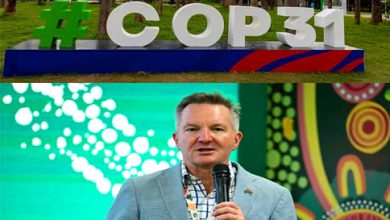
Australia’s Chris Bowen called the result very disappointing, saying many parties had strong red lines on a couple of key issues. Kurum said the outcome was disappointing, but sometimes no deal is better than a bad deal. UN Secretary-General António Guterres said he was deeply disappointed. The World Resources Institute blamed a failure of political leadership, not a failure of the Paris Agreement.
Background: how the week unfolded
An early draft released on 16 November called for accelerating the phase-out of fossil fuels and tripling adaptation finance. A revised version published on 19 November removed fossil fuel references and the $120 billion adaptation target. On Friday, the scheduled final day, a coalition led by France and Panama and including countries from Europe, Africa, Latin America and the Pacific rejected the latest draft as too weak.
A rare failure
The last time UN climate talks failed to produce a deal adopted by all was in Copenhagen in 2009. Health Policy Watch reports that this is the first time since the 2000 summit in The Hague that talks ended without any high-level decision document. Those two comparisons differ, and the difference reflects what counts as a “deal”; the safest statement is that it is the first such failure since 2009 by Reuters’ count.
What the failure does not change
The failure to agree a political declaration does not erase obligations agreed at earlier UN conferences, or remove the technical and legal frameworks that govern multilateral climate action. Countries remain bound by the Paris Agreement and earlier decisions.
What to watch
Three questions follow. First, how much of the technical work completed in Antalya survives without a cover decision. Second, whether groups of countries form separate coalitions on fossil fuels and finance, as one report suggests. Third, how the COP32 hosts in Ethiopia prepare. These are covered in a separate article.
Conclusion
COP31’s collapse reflects a split that months of diplomacy could not close: whether to name fossil fuels at all. With the EU, small island states and Latin American countries on one side and major producers on the other, the host’s text pleased no one. The science, as the UN chief said, has not changed, and neither has the pressure on governments to explain what they will do without a negotiated agreement.