
Policy Research Challenge Winners Represent Pakistan’s Youth at COP31 Türkiye
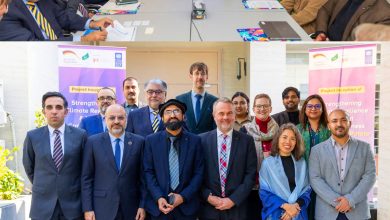
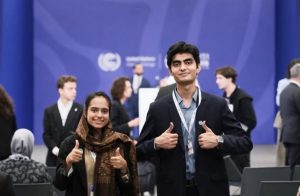
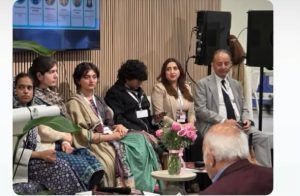
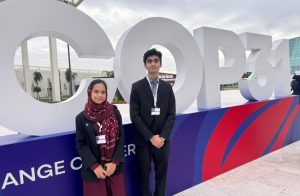
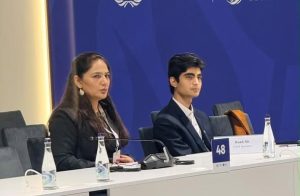
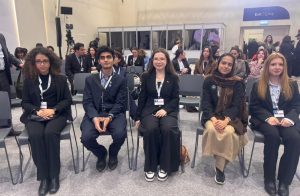
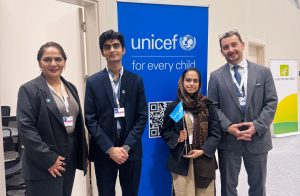
PRC grant winners Asad Ali and Walija Shaheen Mueed represented Pakistan at COP31 with SoLF mentor Mariyam Irfan, backed by UNICEF Pakistan.
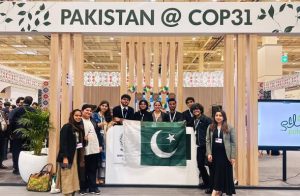
Two young researchers from Pakistan’s Policy Research Challenge (PRC), Asad Ali and Walija Shaheen Mueed, represented the country at COP31 in Antalya, Türkiye, accompanied by a mentor from the School of Leadership Foundation (SoLF), Mariyam Irfan. The announcement from SoLF calls it a proud moment and credits UNICEF Pakistan’s support for the PRC, which gives young people the chance to research issues that matter and take part in decisions that shape their future.
What the announcement says
SoLF’s message centres on youth voice. It says that in a country like Pakistan, where climate disasters have disrupted millions of lives, young people cannot be left out of the climate conversation. They understand the challenges facing their communities, it says, have ideas worth listening to and deserve a place in the solutions. SoLF says it believes in the power of adolescents and young people to bring about change, and that initiatives like the PRC create spaces where their voices can be heard. The post ends with the message that the future of climate action must include the people who will inherit it.
The announcement does not say which sessions Asad Ali and Walija Shaheen Mueed took part in, what their research topics were, or what they said. Those details are not covered here.
Background: what the Policy Research Challenge is
The PRC was introduced by UNICEF, UNDP and UNFPA, functions within the Generation Unlimited framework and is implemented by SoLF. It aims to improve young people’s research skills and involve them in action research, critical policy evaluation and the mobilisation of stakeholders for inclusive solutions on climate change. Past winners received mentorship during their research and had the chance to present their policy statements at a roundtable with climate stakeholders from both the public and private sectors.
The numbers show its scale. The 2023–2025 phase received more than 1,500 applications from adolescents and youth across Pakistan, including remote regions. Twenty-seven adolescents and 30 youth were trained in research methods and evidence-based policymaking, and 19 adolescent and 13 youth researchers were funded for on-ground projects on themes such as climate adaptation and educational innovation. Some participants have gone on to internships or advocacy roles, including a paid three-month internship with the Prime Minister’s Youth Programme and an appointment as a UNICEF Youth Advocate for Climate Education and Girls’ Empowerment. SoLF’s platform lists a PRC 2026 edition that includes Youth Advocacy Guide training.
Mariyam Irfan, SoLF’s Managing Director, has said that policy research is not just about gathering data but about using evidence to create impactful, long-lasting solutions.
Why youth presence at COP31 matters
COP31 is a negotiation among governments, but it also hosts side events, pavilions and youth programmes where young researchers can present their work and meet decision-makers. The Pakistan Pavilion at the venue ran a programme of provincial showcases and civil society sessions, which is a setting where youth research can reach delegates and officials.
Young people have a direct stake in outcomes. Pakistan has faced repeated floods and heatwaves, and its climate-finance argument rests on those impacts. Youth researchers often study the local effects, such as floods and girls’ education, that national statistics miss. Putting that evidence in front of international audiences supports the case that climate policy should reflect lived experience.
The limits of visibility
Attending a conference does not by itself change policy. Youth delegates usually have no vote in negotiations, and their influence depends on access to officials and on whether their research is picked up. The COP31 talks ended on 22 November without an agreed political declaration, which shows how hard it is to translate even strong evidence into agreed text. The value of PRC’s approach lies as much in building skills and networks as in any single conference appearance.
UNICEF Pakistan’s role
UNICEF Pakistan, one of the three UN partners behind the PRC, is credited in the announcement for supporting the challenge. UNICEF’s interest in youth climate action fits its focus on how climate shocks affect children’s education, health and safety. Its support for PRC participants at COP31 follows a pattern in which past winners have been invited to present to policymakers.
What to watch
Three developments would show whether the COP31 visit leads to lasting impact. First, whether Asad Ali and Walija Shaheen Mueed publish or present their research findings to Pakistani policymakers after returning. Second, whether the 2026 PRC cohort receives similar opportunities to present at national or international forums. Third, whether government bodies take up PRC policy statements in provincial or national planning. None of these is announced.
Conclusion
The presence of two PRC grant winners at COP31 shows how a youth research programme, built by SoLF with UNICEF, UNDP and UNFPA, can connect local researchers to a global stage. The announcement frames it as a recognition of young people’s role in climate action. The next question is whether the evidence these researchers carry back from Antalya, and the policy statements they write, reach the people making decisions in Pakistan.