
WHO Joins Pre-COP31 in Fiji to Push Health Up Climate Agenda
WHO joins Pre-COP31 in Fiji to advance health priorities in climate action, as 62% of Pacific hospitals sit within 500m of rising seas or rivers.
WHO Joins Pre-COP31 in Fiji to Push Health to the Center of Climate Action
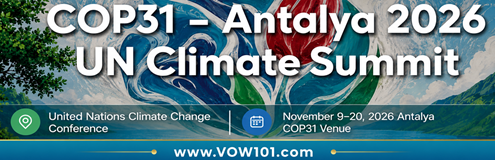
Suva, Fiji — October 5, 2026 — The World Health Organization (WHO) is joining Pacific leaders, governments and partners at Pre-COP31 in Fiji from 5 to 8 October to advance health priorities within global climate action and strengthen the Pacific voice ahead of COP31, the 31st Conference of the Parties to the UNFCCC, set to take place next month in Antalya, Türkiye.
Background
COP31 marks an important step for global climate and health action, with health designated as one of the ten priority themes of the COP31 Action Agenda under “Dynamic and Resilient Health Systems.” A dedicated Health Day will take place on 9 November, the first day of COP31 — a scheduling choice reflecting growing global recognition that climate action and health are closely connected.
The climate crisis is already affecting population health globally. Across the WHO Western Pacific Region, which includes Pacific island countries and areas, the consequences of climate change include extreme heat, cyclones, floods, rising sea levels, food and water insecurity, infectious diseases and disruptions to essential health services. The Pacific faces particularly acute exposure: a recent review of 76 hospitals across 14 Pacific island countries found that 62 percent of health facilities are located within 500 metres of the sea or a river, leaving them especially vulnerable to flooding, storm surges and sea-level rise.
Bringing Pacific Priorities to the Global Climate Agenda
The Pacific Pre-COP31 provides an important opportunity for Pacific countries and partners to consolidate regional priorities and bring the experiences and leadership of Pacific communities directly into global climate discussions. Pacific countries have been advancing practical approaches to protect health in a changing climate, including strengthening climate-resilient health systems, improving preparedness for extreme weather events, building resilient health infrastructure, and mobilizing climate finance specifically for health.
Dr Saia Ma’u Piukala, WHO Regional Director for the Western Pacific, described the significance of the moment: “This Pre-COP is an important moment for the Pacific, bringing global climate discussions to a region that has long been at the forefront of the climate crisis. It provides an opportunity for Pacific countries and areas to set their priorities, experiences and leadership on the global stage, and to ensure that the realities of Pacific communities are genuinely reflected in the decisions made on climate action.”
Throughout the week, WHO is co-convening and participating in high-level discussions and events focused on climate and health, climate resilience, adaptation, financing and implementation. Dr Mark Jacobs, WHO Representative to the South Pacific and Director of Pacific Technical Support, emphasized the centrality of finance to these efforts: “Climate finance is essential for resilient and healthy Pacific communities. We must ensure that financing reaches the people, communities and essential services most exposed to climate risks, supporting locally defined priorities and investments.” WHO is working with partners to strengthen the integration of health considerations across climate policies and investments, including national climate plans and resilience initiatives.
Health as a Driver, Not Just a Casualty, of Climate Action
Despite the risks to health and pressures on health systems, WHO is emphasizing that well-strategized climate action can deliver significant health benefits in its own right. Investments in clean energy, sustainable transport, resilient infrastructure, food systems and nature-based solutions have been shown to reduce health risks while simultaneously contributing to climate mitigation and adaptation.
Dr Sandro Demaio, Director and Head of Office at the WHO Asia-Pacific Centre for Environment and Health in the Western Pacific Region, framed climate investment as fundamentally a health investment: “Climate action is truly an investment in health. Cleaner energy, healthier food systems and climate-resilient health services can protect lives while building stronger communities. We now need to turn these opportunities into action and make health a core part of climate investments.” He added that these benefits demonstrate climate action is not only about reducing future risks, but also an opportunity to improve lives today while building healthier, safer and more resilient societies.
Looking Ahead to COP31
At COP31 next month, WHO will also support the Health Pavilion, which will bring together the global health community and partners to advance health and equity within the formal climate negotiations. With COP31 positioned to move health higher on the global climate agenda, WHO says it will continue working with countries and partners across the Western Pacific Region and globally to strengthen climate-resilient and low-carbon health systems.
Conclusion
WHO’s participation in Pre-COP31 reflects a deliberate effort to ensure health considerations are embedded in climate negotiations from the earliest stages, rather than treated as an afterthought once broader climate finance and mitigation frameworks are set. With Pacific health facilities disproportionately exposed to flooding and sea-level rise, and a dedicated Health Day now scheduled for COP31’s opening day in Antalya, the coming weeks will test whether this push to center health in climate policy translates into concrete financing commitments reaching the communities and health systems most exposed to climate risk.