

El Niño Looms Over COP31 as IWMI Urges Forecast-Based Finance for South Asia
UN agencies warned of El Niño on COP31's opening day. IWMI says forecasts must be paired with early finance to protect South Asia.
El Niño Looms Over COP31 as IWMI Urges Forecast-Based Finance for South Asia
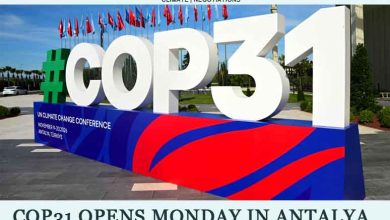
A powerful El Niño is shaping the mood at COP31 in Antalya, where UN agencies issued stark warnings about its potential impacts on the summit’s opening day, 9 November. The warnings echo an analysis the International Water Management Institute (IWMI) published on 20 October, which argued that South Asia needs advance forecasts and early financing, not forecasts alone, to avoid the worst consequences.
What UN agencies said on opening day
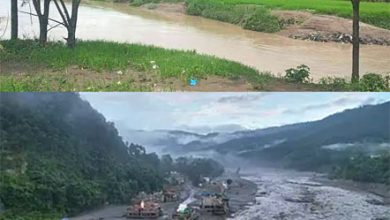
According to UN News, a powerful El Niño threatens to worsen extreme weather, and it is expected to intensify in the coming months. AFP reported that the summit follows a year of punishing heat waves in Europe, major wildfires in Indonesia and catastrophic floods in Nepal, with an exceptionally strong El Niño fuelling further disruption. UN Secretary-General António Guterres said the world has entered a new age of climate extremes, and the World Meteorological Organization released a report showing that 2026 continued a streak of exceptional temperatures, melting ice and rising sea levels.
Farmers already feel it
The human cost is visible in Bolivia. A severe drought there has led the government to declare a national emergency, with more than 75,000 head of livestock dead and over 114,000 families affected, according to official figures. Cristian Barrasueta of the World Rural Forum warned that, with El Niño set to intensify, farmers need support now rather than after years of planning and paperwork.
IWMI’s analysis for South Asia
IWMI’s analysis, written by Carolyn Fry and Giriraj Amarnath, focused on a region exposed to El Niño’s effects. It reported that Pacific sea-surface temperatures had reached 3.08°C above average, passing the previous record anomaly of 3.02°C in November 2015. South Asia is home to about two billion people and produces almost a third of the world’s rice, so disrupted harvests could reach far beyond the region. El Niño is expected to be most intense in late 2026 and early 2027, and IWMI notes that a positive Indian Ocean Dipole could either offset drought or produce sharp swings between wet and dry conditions.
IWMI’s free ENSO Outlook tool uses AI to turn climate signals into alerts and crop-based advisories, drawing on data from more than 20 agencies. It indicates that, between now and December, around 760 million people in South Asia are likely to face water stress from either too little or too much rain. Below-normal rainfall is forecast for southeastern areas and above-normal rainfall for the northwest.
The financing gap
The authors’ main point is that science is ahead of the money. A strong seasonal forecast does not by itself release humanitarian funds, because it does not say where, when or how severely impacts will hit. They cite the Sri Lanka Red Cross view that early financing needs three things: strong evidence that El Niño predicts local impacts, pre-agreed trigger thresholds, and a layered system in which seasonal forecasts release readiness funding and later data release early-action money.
They also describe a pilot in Colombia by microfinance bank Bancamía and fintech Atram, which sends small businesses weather alerts with a contingent credit line that pays out only if the forecast impacts occur. On insurance, they note that better forecasts can cause adverse selection, and they point to a regional sovereign risk pool in South Asia as one possible fix.
Background: why finance is the sticking point at COP31
The financing argument lands in a difficult negotiating setting. The summit opened with an early dispute over whether climate finance items would be on the official agenda, and a senior European Union official warned last week that there would be no political will for additional funding pledges at COP31. African countries had pushed for talks on tripling adaptation finance, which a source said would be discussed under other items rather than as a separate agenda point. If new money is scarce, the case for spending existing money earlier, before disasters, becomes more important.
Why it matters
Anticipatory action is cheaper and faster than relief after the fact. Moving funds on forecast triggers, as IWMI proposes, would let governments, microfinance lenders and humanitarian agencies act in the weeks before a drought or flood instead of after harvests fail. The approach also fits COP31’s stated aim of turning commitments into practical results, as UN News framed it.
The caveat is that forecast-based systems depend on data, agreed triggers and institutions able to release money quickly. IWMI’s article does not claim these exist across South Asia today. It argues they should be built now, with the strongest El Niño impacts expected within months.
What to watch
Three signals will show whether the El Niño warnings translate into action. First, whether the presidency-led decision that Australia’s Chris Bowen has promised to develop through the conference refers to early warning and anticipatory finance. Second, whether adaptation finance gets a clear home in the agenda despite the opening dispute. Third, whether donors or development banks announce forecast-based financing pledges on the sidelines. None of these is confirmed.
Conclusion
El Niño has moved from a forecast to a central theme of COP31. IWMI’s message is that early warning only saves lives and livelihoods when it is tied to money that can move before disaster strikes. With hundreds of millions of people in South Asia exposed through December and beyond, the question for negotiators is whether finance can arrive early enough to matter.