
COP31 Opens in Antalya With Early Dispute Over Climate Finance
COP31 opened in Antalya an hour and a half late amid a row over finance on the agenda, as Guterres urged leaders to get serious.
COP31 Opens in Antalya With Early Dispute Over Climate Finance
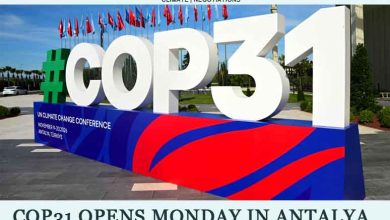
The COP31 climate talks opened on Monday, 9 November, in Antalya with an early dispute over money. UN Secretary-General António Guterres urged world leaders to get serious about tackling the crisis after a year of devastating weather extremes, calling for faster emissions cuts, a just transition away from fossil fuels and the finance and protection vulnerable countries need.
A late start and a late-night fight
The opening ceremony began an hour and a half late, with no explanation given. Negotiators had been locked in talks late on Sunday over developing nations’ demands to include climate finance items on the official agenda. Jasper Inventor, head of Greenpeace’s delegation, called it a difficult start and said developed countries had taken a hard line over including a platform agreed at COP30 in Brazil to discuss how wealthy nations should provide funding.
The outcome is partial. A source familiar with the talks said the climate work programme would be included in the agenda, while tripling adaptation finance, which African countries had pushed for, would be discussed under other items rather than as a separate point.
Few breakthroughs expected
A senior EU official warned last week that there would be no political will for additional funding pledges at COP31. Observers expect few major breakthroughs as countries grapple with an oil price shock and geopolitical tensions linked to the US war with Iran and Russia’s war in Ukraine. Developed countries have historically provided funds to help developing nations adapt and shift to cleaner energy, but poorer countries say the sums remain insufficient.
What the presidencies said
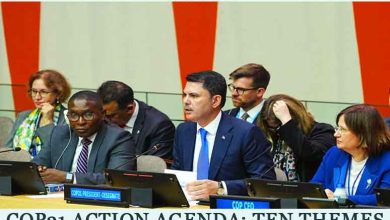
Türkiye’s Murat Kurum formally took the gavel as COP31 President, with Australia’s Chris Bowen overseeing negotiations under the co-presidency arrangement agreed at COP30. Kurum told delegates that decisions must take shape in a city’s infrastructure, on a farmer’s land and along a factory’s production line. Bowen announced plans to develop a presidency-led decision throughout the conference rather than waiting until the final days, and acknowledged differences over the decision’s value, elements and ambition.
Background: the fights ahead
Two other issues could cause friction. Türkiye’s action agenda centres on an electrification drive to raise the share of global energy demand met by electricity from about 20 percent to 35 percent by 2035. The EU has called for clean electrification, a term that could spark debate over fossil fuels. COP30 ended with a deal that made no explicit mention of fossil fuels, and Brazil instead produced a voluntary roadmap for phasing them out.
The United States has not sent administration officials to COP31, although a congressional delegation will attend. Brazil’s President Luiz Inácio Lula da Silva will attend the leaders’ summit on 11–12 November. Türkiye’s environment ministry says 102 heads of state and government and more than 300 ministers have confirmed participation, with 160 pavilions approved.
Why the agenda fight matters
Agenda disputes sound procedural but decide what gets negotiated and for how long. If finance items are folded into other agenda points, developing countries lose a dedicated forum, which is why they push for separate items. Developed countries, for their part, resist new commitments at a time of tight budgets. Settling this early frees time for substance, while a prolonged fight can eat into the first week.
The situation is also a test of the new co-presidency. Bowen’s decision to build a presidency-led text from day one is intended to avoid the last-minute crunch seen at past COPs. Whether parties accept a text drafted that way will depend on trust, which the late-night agenda row did not help.
What to watch
In the coming days, watch for the confirmed agenda wording, any statement from the African Group on adaptation finance, the leaders’ summit on 11 and 12 November, and the first draft of the presidency-led decision. The framing of fossil fuels in that draft, and whether it uses the term clean electrification, will be an early indicator of how far the text can go.
Conclusion
COP31 has started with the familiar split between developing countries seeking finance and developed countries wary of new pledges. The agenda compromise lets talks proceed, but it leaves adaptation finance and fossil fuel language as open questions. With a presidency-led decision in the works and leaders arriving on Wednesday, the first week will show whether Antalya can move from implementation rhetoric to agreed text.