
COP31 Leaders’ Summit: Lula Warns Climate Has Slipped Down the Agenda
At COP31's Leaders' Summit, Lula warned wars and tariffs are crowding out climate action, as only one G7 leader was scheduled to speak.
COP31 Leaders’ Summit: Lula Warns Climate Has Slipped Down the Agenda as G7 Largely Absent
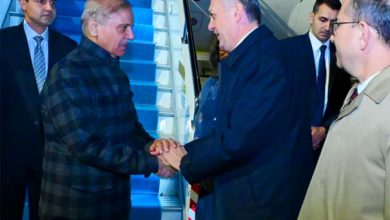
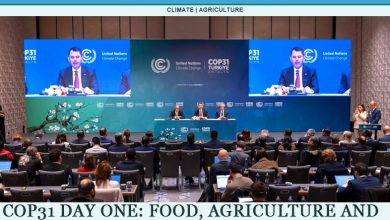
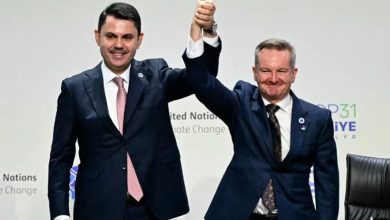
Back-to-back speeches by heads of state opened the political segment of COP31 in Antalya on Wednesday, 11 November, with leaders warning that wars, inflation and trade fights are crowding out climate action. Speeches continue into Thursday.
Lula: “weapons and tariffs”
Brazil’s President Luiz Inácio Lula da Silva, whose country hosted last year’s climate conference, told the summit that climate change had slipped down the global agenda, saying the world now talks more about weapons and tariffs than the survival of future generations. He said that since the start of this year, climate change had disappeared from speeches and documents from global leadership. Türkiye’s President Recep Tayyip Erdoğan echoed the comment.
Lula, re-elected at the end of October, said Türkiye and Australia, who share hosting and negotiating duties, should prioritise climate finance, move away from fossil fuels and revisit the deforestation goals taken up at COP30 in Belém.
Who is, and is not, in the room
AFP noted that several prominent figures were missing, with British Prime Minister Andy Burnham the only leader from a G7 country scheduled to address the summit. The United States did not send administration officials, although a congressional delegation is attending. Türkiye’s environment ministry has said 102 heads of state and government confirmed participation, a host-government figure that does not tell how many are actually delivering speeches.
“Implementation” is the keyword
Former French Prime Minister Laurent Fabius, who presided over the 2015 Paris conference and leads an advisory council of former COP presidents, said leaders’ speeches should give political impetus to the negotiations. He told Reuters the key word in Antalya is implementation, and that leaders should explain how they will implement, not only announce. This mirrors the host’s framing of COP31 as an implementation COP.
Background: the unusual timing
Heads of state meet on days three and four of the conference, in contrast to previous COPs where leaders’ summits were held in the first two days or just before the COP. The scheduling places leaders’ speeches in the middle of the negotiations, which organisers say should help push them forward, though it also means leaders arrive after the finance dispute has already started.
The negotiating backdrop
UN News reported on 11 November that disagreements over adaptation finance persisted, with developing countries pressing for more predictable funding. A senior EU official had warned the previous week that there would be no political will for additional funding pledges at COP31. Against that, Lula’s call to prioritise finance and Guterres’s appeal for a Climate Justice Compact set the expectation that leaders will be asked for money, not only words.
Why the G7 gap matters
The G7 countries are among the largest historical emitters and the main source of climate finance. If few of their leaders attend, the signal on finance and fossil fuel phase-out may be weaker, or at least delegated to ministers. It does not decide the outcome: negotiators, not leaders, draft the texts, and ministers often carry the real positions. But leaders’ presence shapes the political mood, and opponents of strong outcomes can read absence as room to hold back.
What to watch
Three signals matter in the second day of speeches. First, whether any large emitter announces a new target or finance pledge. Second, whether leaders endorse the presidency’s electrification and action-agenda goals. Third, how the speeches feed into the draft presidency-led decision that Australia’s Chris Bowen is preparing. Fabius’s test, specific implementation steps, is a useful yardstick.
Conclusion
The first day of the Leaders’ Summit combined stark warnings with signs of political fatigue: Lula’s remark that climate has dropped down the agenda, and a G7 presence limited largely to one prime minister. How much political push the negotiators get will depend on what the remaining leaders say on Thursday, and on whether any commitments are concrete enough to appear in the final texts.