

Pakistan Food Crisis Deepens as UN Report Warns of Rising Hunger and Bleak Outlook
Pakistan Food Crisis intensifies as UN report reveals over 11 million people face acute hunger amid climate shocks and economic pressures.
Pakistan Food Crisis has entered a critical phase, with a new United Nations-backed report warning that millions remain at risk of acute hunger. The 2026 Global Report on Food Crises highlights Pakistan among the world’s most vulnerable countries, where climate shocks, economic instability, and structural challenges continue to threaten food security.
The report places Pakistan alongside nations like Afghanistan, Nigeria, and Yemen as key hotspots of global hunger.
Pakistan Food Crisis Overview
The Pakistan Food Crisis affects millions across the country, with alarming figures revealed in the latest report.
Key Statistics:
- 11 million people facing acute food insecurity (2025)
- 9.3 million in “crisis” conditions
- 1.7 million in “emergency” conditions
These categories represent the most severe levels of food insecurity short of famine, requiring urgent humanitarian intervention.
Key Findings from Global Report
The 2026 Global Report on Food Crises identifies Pakistan as one of the top 10 countries with concentrated hunger levels.
Other countries listed include:
- Bangladesh
- Sudan
- Syria
The report emphasizes that food insecurity is no longer a temporary issue but a persistent global challenge affecting stability and development.
Climate Change and Flood Impact
Climate extremes remain a major driver of the Pakistan Food Crisis.
In 2025:
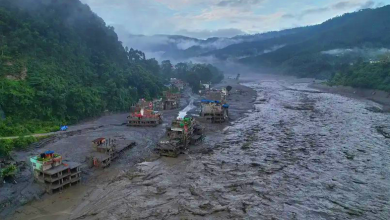
- Over 6 million people affected by floods
- Cropland and infrastructure destroyed
- Livelihoods disrupted
The report highlights how monsoon rains and flash floods have repeatedly damaged agricultural output, worsening food shortages.
External Resource: Learn more at World Food Programme https://www.wfp.org
IPC Classification Explained
The report uses the Integrated Food Security Phase Classification (IPC) system to assess food insecurity.
IPC Levels:
- Phase 3 (Crisis): Urgent action needed
- Phase 4 (Emergency): Severe food shortages
- Phase 5 (Famine): Catastrophic conditions
The Pakistan Food Crisis currently falls largely within Phase 3 and Phase 4 categories.
Regional Hotspots in Pakistan
The report identifies several vulnerable regions:
- Balochistan
- Khyber Pakhtunkhwa
- Sindh
These areas face:
- Limited access to food
- Poor infrastructure
- High exposure to climate risks
Economic Pressures and Inflation
Economic instability is compounding the Pakistan Food Crisis.
The report projects:
- Inflation rising to 6% in 2026
- Increased cost of food and essentials
- Reduced purchasing power
These factors make it harder for households to secure adequate nutrition.
Refugee Burden and Food Security
Pakistan also hosts a large number of refugees, particularly from Afghanistan.
This adds pressure on:
- Food systems
- Public services
- Humanitarian resources
The report notes that displacement dynamics are closely linked to food insecurity trends.
Global Food Crisis Trends
Globally, hunger levels remain critically high.
Key Global Figures:
- 266 million people in 47 countries affected (2025)
- Nearly double compared to 2016
Major drivers include:
- Conflict
- Climate change
- Reduced humanitarian aid
For the first time, famine was confirmed in:
- Gaza
- Parts of Sudan
Children and Malnutrition Crisis
Children are among the most affected by the global food crisis.
Key Statistics:
- 35.5 million children acutely malnourished
- 10 million suffering severe acute malnutrition
The Pakistan Food Crisis contributes to these alarming global figures, particularly in vulnerable regions.
Future Outlook and Warnings
The outlook for 2026 remains bleak, according to the report.
Key concerns include:
- Persistent climate shocks
- Ongoing conflicts globally
- Rising food prices
- Reduced international aid
Alvaro Lario warned:
“Food insecurity is not an isolated issue anymore, but is putting pressure on global stability.”
Conclusion
The Pakistan Food Crisis reflects a complex interplay of climate change, economic instability, and structural vulnerabilities. While there have been modest improvements, millions remain at risk of hunger, and the situation remains fragile.
Urgent action is needed to strengthen food systems, improve resilience, and ensure access to nutrition for vulnerable populations. Without sustained efforts, the crisis could deepen further, affecting not only Pakistan but also regional and global stability.