

Solar Drip Irrigation in Dera Ghazi Khan: Punjab Says Farm Incomes Are Rising
Punjab says solar-powered drip irrigation in Dera Ghazi Khan is turning barren land into farms, with farmers earning two to three times more.
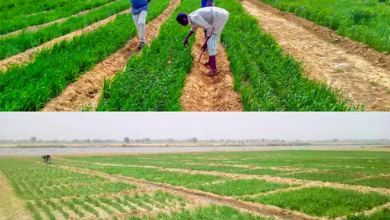
The Punjab government says solar-powered drip irrigation systems are changing farming in Dera Ghazi Khan district, where rocky, sandy land that was once unproductive is now growing crops and orchards. The programme is run by the Punjab Agriculture Department’s Irrigation Improvement Wing, under Chief Minister Maryam Nawaz. Its stated aim is “less water, better yields.”
What the government says has changed
According to the statement, drip irrigation delivers water efficiently to the plant, while solar power removes the need for expensive generators and high electricity bills. The government says land that was once a desolate expanse for farmers now supports crops and orchards.
It also says farmers are earning two to three times their previous income from the produce and from value-added products. These figures come from the Punjab government’s own statement, and no independent data or survey was cited.
How the scheme works
Punjab’s Agriculture Department explains the model on its official pages. Under the Punjab Resilient and Inclusive Agriculture Transformation (PRIAT) project, which runs from 2022-23 to 2026-27, the government plans to demonstrate high-efficiency irrigation systems for orchards, vegetables and other cash crops, and to provide solar systems to operate them.
The department says its subsidy for solar systems that run high-efficiency irrigation is 75 percent of the cost for up to 7.5 acres and 60 percent beyond that, with farmers paying the rest. Installing a drip or sprinkler system is a prerequisite for the solar subsidy. Drip is best suited to orchards and high-value row crops such as vegetables, cotton, maize and sugarcane. The department uses pre-qualified supply and service companies to install the systems. The exact terms for Dera Ghazi Khan farmers should be confirmed with the department, as these are the provincewide rules.
Background: why water efficiency matters
Drip irrigation applies water directly at the roots, which reduces losses from evaporation and runoff compared with flood irrigation. In dry, sandy soils like those described in Dera Ghazi Khan, that can make the difference between a viable crop and none. Solar power also lowers a farm’s running costs, since pumping with diesel or grid electricity is a major expense.
The Punjab government has been expanding this approach. On 19 October, the Punjab cabinet approved Rs7.6 billion in subsidies for the Thal Agriculture Transformation Project, covering 10,000 acres in Mankera and Layyah, with drip irrigation, solar power and water storage.
What to watch
The statement does not say how many farmers or acres are covered in Dera Ghazi Khan, which crops are being grown, or how income was measured. Those details would help readers judge how widely the results apply. Water-efficiency schemes can also depend on how well systems are maintained and whether farmers can reach markets for higher-value produce.
Conclusion
The Punjab government presents solar drip irrigation as a way to bring marginal land into production while saving water and energy. If the reported income gains hold up under independent review, the model could be significant for dry districts across the province. For now, the figures are the government’s own, and the scale of the Dera Ghazi Khan programme has not been published.
Source: Punjab government statement on solar-powered drip irrigation in Dera Ghazi Khan; Punjab Agriculture Department, Water Management subsidies and FAQs (agripunjab.gov.pk); 24NewsHD, 19 October 2026.