

IWMI Research Flags Barriers to Irrigation Innovation in Nigeria and Calls for Water-Aware Planning in Sri Lanka
IWMI studies flag policy, finance and institutional gaps slowing irrigation innovation in Nigeria and call for water-aware planning in Sri Lanka.
ABUJA / COLOMBO, 15 October 2026 – Two new analyses from the International Water Management Institute (IWMI) point to the same lesson: proven solutions and old planning habits both struggle when governance, finance and climate risk are out of step. One looks at why irrigation innovations stall in Nigeria. The other asks why Sri Lanka’s water planning assumptions failed after Cyclone Ditwah.
Nigeria: from pilots to practice
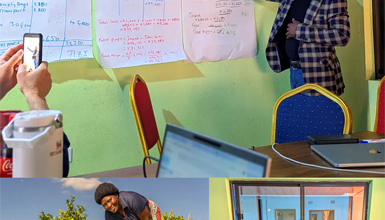
IWMI led a diagnostic study examining why the adoption of proven irrigation innovations often stalls between pilot projects and wider use. In July 2026, Nigeria’s Federal Ministry of Water Resources and Sanitation, the Nigerian National Committee on Irrigation and Drainage and IWMI convened stakeholders in Abuja to validate the findings and co-create a reform roadmap.
The study identifies gaps in policy, finance and institutions. Among its recommendations, participants urged a review of the outdated National Water Resources Master Plan and stronger legal backing for Water Users Associations, which help organise water governance at local level. The work is aimed at smallholder farmers, women and youth involved in irrigation governance, and water users more broadly.
Sri Lanka: when assumptions fail
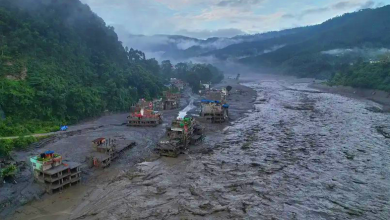
In Sri Lanka, IWMI’s new analysis starts from the experience of Cyclone Ditwah. It warns that water-cycle risk is changing in ways that traditional planning and governance systems struggle to anticipate. The institute argues that water should not be seen only as a downstream consequence of warming. Instead, it describes the water cycle as an active process within the climate system that can amplify and redistribute the effects of warming.
IWMI adds that without confidence about whether mitigation pathways are water-feasible, mitigation and adaptation may not reinforce one another, especially where evidence is incomplete. In plain terms, plans to cut emissions or adapt to climate change can run into water limits that planners have not fully assessed.
Background
IWMI is headquartered in Colombo and works with governments, research partners and communities in Africa, Asia and the Americas. Its research covers irrigation, groundwater, climate risk and water governance. Both studies reflect a theme that has run through its recent work: technology and science alone rarely deliver change unless institutions, incentives and legal frameworks support them.
That message featured at World Water Week 2026 as well. IWMI argued that inclusion is what makes water solutions last and stressed that inclusive leadership should be built in from the start. The Nigeria study’s focus on women, youth and water users associations fits that view.
Why it matters
For Nigeria, the gap between pilot and scale is a familiar problem across many countries. Irrigation innovations, from better scheduling to improved infrastructure, may work well in demonstration sites, yet fail to spread because farmers cannot finance them, rules do not support them or agencies lack coordination. Reviewing the master plan and strengthening Water Users Associations would address both national planning and local ownership.
For Sri Lanka, the cyclone offers a warning about systems built for stationary conditions. When rainfall extremes, floods and droughts shift in pattern, tools designed around historical averages can leave planners exposed. IWMI’s call for water-aware climate governance means treating water risk as a central input to climate decisions, rather than an afterthought.
Conclusion
The two studies come from different regions, yet they share a message: effective water management depends as much on governance and evidence as on infrastructure. Nigeria’s reform roadmap and Sri Lanka’s post-cyclone lessons will be worth watching, especially as these themes feed into global discussions at the UN Water Conference in December. The real measure will be whether governments translate diagnosis into legal reform, funding and planning that reach farmers and communities.
Sources: fundsforNGOs News; IWMI.