
UNICEF Launches Global WASH Sector Resilience Index for 151 Countries
UNICEF launches the Global WASH Sector Resilience Index (GWSRI), a new tool assessing WASH system resilience across 151 countries to guide investment and planning.
UNICEF Launches Global WASH Sector Resilience Index to Measure System Preparedness Worldwide
New York, August 24, 2026 — The United Nations Children’s Fund (UNICEF), together with partners, has launched the Global WASH Sector Resilience Index (GWSRI), described as the first global tool designed to measure the resilience of water, sanitation and hygiene (WASH) systems. The Index assesses 151 countries, offering a standardized way to evaluate how well national WASH systems can withstand and recover from shocks.
Background
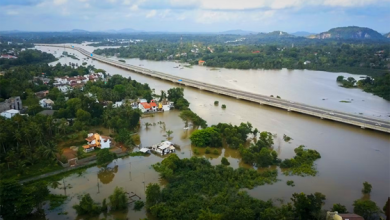
Water, sanitation and hygiene systems form the backbone of public health, yet they remain highly vulnerable to disruption from floods, droughts, conflict, pandemics and economic shocks. When these systems fail, the consequences ripple far beyond access to clean water — undermining children’s health, nutrition, education, protection and dignity. Despite the sector’s central role in development outcomes, until now there has been no unified global framework to measure how resilient WASH systems actually are in the face of mounting climate and humanitarian pressures.
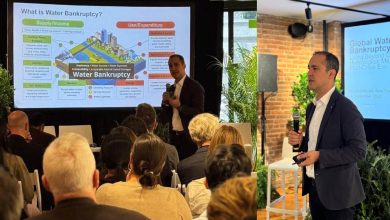
The GWSRI was launched at the High-level Political Forum in July 2026, positioning it within the broader global effort to track and accelerate progress on the Sustainable Development Goals, particularly those related to health, water and sanitation.
How the Index Works
The GWSRI combines data across multiple dimensions to build a comprehensive picture of WASH system resilience, including:
- Hazard exposure — the degree to which a country faces climate and other shocks
- Vulnerability — underlying factors that increase susceptibility to disruption
- System performance — how well existing WASH infrastructure and services function
- Governance capacity — the institutional strength to plan, respond and adapt
- Access to WASH services — coverage and reliability at ecosystem, service and community levels
By integrating these layers, the Index aims to give governments and partners a clearer, evidence-based understanding of where WASH systems are most at risk and where investment could have the greatest impact.
Purpose and Intended Use
The GWSRI is intended to help governments and development partners strengthen risk-informed planning and prioritize investment in systems capable of anticipating, withstanding and recovering from shocks. Rather than simply measuring current access to WASH services, the Index shifts the focus toward long-term system resilience — a distinction that becomes increasingly important as climate variability and other stressors grow more frequent and severe.
More resilient WASH systems are also expected to support broader development goals, including climate adaptation, disaster preparedness, and improved health, education and economic outcomes — with particular benefits for women and girls, who are often disproportionately affected by WASH service disruptions.
Conclusion
The launch of the Global WASH Sector Resilience Index marks a significant step toward embedding resilience thinking into the global WASH sector, moving beyond access metrics to assess how well systems can endure and bounce back from shocks. As climate-related and humanitarian pressures continue to intensify worldwide, tools like the GWSRI could help direct scarce resources toward the most vulnerable systems, ultimately strengthening protections for children and communities who depend on reliable water, sanitation and hygiene services.
Read more about the GWSRI here.