
UN-Water Previews Flagship Initiatives for 2026 UN Water Conference
UN-Water members met in Rome to preview flagship initiatives for the 2026 UN Water Conference in Abu Dhabi, 8–10 December.
UN-Water Previews Flagship Initiatives Ahead of the 2026 UN Water Conference in Abu Dhabi
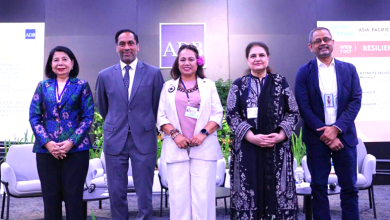
UN-Water members and partners met on 1–2 October 2026 at the headquarters of the International Fund for Agricultural Development (IFAD) in Rome. They came together for the 44th UN-Water Meeting to review preparations for the 2026 UN Water Conference and discuss proposed flagship initiatives for its six interactive dialogues. Participants also reviewed efforts to accelerate the UN System-wide Strategy for Water and Sanitation. The talks come about two months before the conference opens in Abu Dhabi, and the meeting offered the clearest picture yet of what governments and UN agencies hope to launch there.
Water as a “super-connector”
Opening the meeting, UN-Water Chair Alvaro Lario described water as a “super-connector” among vital systems. He said the 2026 SDG 6 Synthesis Report points to progress alongside persistent fragmentation, under-resourcing and uneven results. In other words, countries have made gains toward Sustainable Development Goal 6, which covers clean water and sanitation for all. The report finds that those gains are not spread evenly, and that the money and coordination behind them remain insufficient.
At an earlier preparatory discussion, Lario said progress on access to water services remains too slow despite gains for billions of people. He urged participants to turn momentum into transformation and consider a more structured intergovernmental process for water. That call for a more lasting framework is a recurring theme in the current proposals.
Flagship initiatives: what was proposed
The co-chairs of the conference’s six interactive dialogues outlined possible flagship initiatives to be launched during the dialogues. The proposals shared at the Rome meeting include:
- Water and Multilateral Processes: Germany and Mexico presented a “house for water” concept. It would bring regular, well-prepared conferences supported by negotiated political guidance, stronger UN system-wide delivery, stakeholder engagement, coordinated financing, and improved follow-up and review.
- Water for Prosperity: China and Spain highlighted a focus on integrated management and governance, efficiency and circularity, and valuing water in economics, finance and investment.
- Investment for Water: France and South Africa proposed encouraging and supporting country platforms to coordinate water investment through political support, matchmaking, de-risking facilities and capacity building.
Together, these proposals show where the conference is heading. The multilateral track is about creating a permanent, better-organized process for water at the UN. The prosperity track is about recognizing water’s economic value. The investment track is about turning plans into funded projects.
Background: the six interactive dialogues
Advanced, unedited concept papers for the six interactive dialogues were published on the conference website on 5 October 2026. They set out key challenges, solutions and recommendations for accelerating action on SDG 6. The dialogues cover:
- Water for people: the human rights to water and sanitation, including for people in vulnerable situations, and their importance for healthy societies and economies.
- Water for prosperity: the value of water, the water-energy-food nexus, integrated water resources management, wastewater, water-use efficiency, and economic and social development.
- Water for planet: freshwater ecosystems, hydrological resilience, and alignment across climate, biodiversity, land and disaster risk frameworks.
- Water for cooperation: transboundary and international water cooperation, scientific cooperation and inclusive governance.
- Water in multilateral processes: SDG 6, the 2030 Agenda and beyond, and global water initiatives.
- Investments for water: financing, technology and innovation, and capacity building.
Preparations for the conference began earlier this year, with a stakeholder meeting and a high-level preparatory meeting held in Dakar, Senegal, in late January. Senegal and the United Arab Emirates co-hosted the high-level meeting.
Voices from earlier preparatory talks
Earlier preparatory discussions produced several related commitments that sit alongside the flagship proposals. The World Bank highlighted its Water Forward initiative, a coalition of multilateral development banks aimed at closing the water investment gap. UNESCO pointed to youth priorities such as water education, capacity building and meaningful youth engagement. The Water Policy Group reported that global water leaders see SDG 6 as useful for motivating national action, and said the conference should produce practical guidance for decision-makers.
Key dates and how to take part
The conference will be held on 8–10 December 2026 in Abu Dhabi, United Arab Emirates. Only participants registered and approved through UN-managed channels will be able to attend the official programme.
Each accredited organization can register up to 10 representatives. The registration deadline is 6 November 2026 at 23:59 EDT. Applications for virtual side events, held in parallel with the official programme, close on 16 October 2026. UN Member States, UN entities, intergovernmental organizations and accredited stakeholders can apply. These side events give organizations another way to share knowledge and push for SDG 6 implementation.
Youth voices in Abu Dhabi
The Arab Youth Center announced that 100 young leaders from 75 countries, selected from over 2,000 applicants across six global regions, will take part in the conference. Before they travel, they will complete a two-month virtual learning program through October and November 2026. The youth delegation reflects a wider push to include younger voices in water decisions that will affect them for decades.
Why it matters
Water links health, food, energy, climate and peace, so weak coordination in one area affects the others. The Rome discussions show that governments are trying to address three gaps at once: fragmented governance, uneven economic valuation of water, and a shortage of coordinated investment. How far the flagship initiatives go will depend on the commitments countries and financial institutions make in December.
Conclusion
The Rome meeting shows the conference is moving from concept papers to concrete proposals on governance, prosperity and investment. The “house for water” idea, the country investment platforms and the focus on valuing water give the Abu Dhabi dialogues a clearer shape. The upcoming deadlines for virtual side events and registration will shape who takes part in the conference, and the next few weeks will show how much momentum reaches Abu Dhabi.