
GWPO, WMO Webinar on Cascading Mountain Flood Risks
GWPO and WMO's APFM webinar explores cascading flood risks in mountain regions and how to turn flood preparedness gaps into investable climate finance projects.
GWPO and WMO Webinar Examines Cascading Flood Risks in Mountain Regions and How to Finance Preparedness
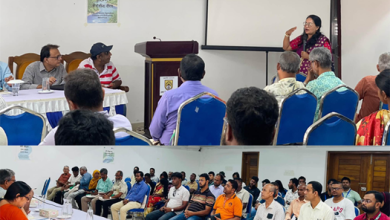
October 10, 2026 — The Global Water Partnership Organisation (GWPO) and the World Meteorological Organization (WMO) held a webinar on cascading flood risks in mountain regions on October 9, 2026, under the Associated Programme on Flood Management (APFM), the joint WMO–GWP programme. Anjali Lohani, GWPO’s Global Head of Water & Climate Resilience Investments, opened the session. It asked a practical question: where should limited investment in monitoring, early warning and preparedness go first, and how can more money be raised for communities where monitoring is still incomplete?
Background
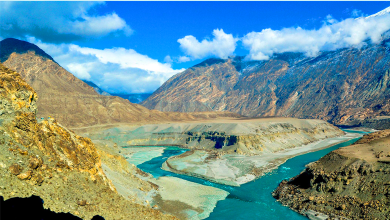
Climate change is reshaping mountain risk. Glaciers are retreating, frozen ground is thawing and rainfall patterns are shifting. Hazards now combine in new ways. A landslide can block a river, water builds up behind it, and the resulting flood is felt far downstream.
The webinar drew on two recent cases: Blatten in Switzerland and this August’s devastating floods in Nepal. Both show how quickly cascading mountain hazards can overwhelm the systems built to manage them. The question is especially pressing in vast, remote terrain such as the Himalayas, where resources are limited and monitoring networks have significant gaps.
The APFM Approach
APFM takes an integrated approach across the whole catchment. It connects monitoring and forecasting with governance, planning and community preparedness, so that flood management is not reduced to a single technical fix.
GWPO is now adding what it describes as the missing link: investment planning. Through the APFM community, GWPO and WMO are working on a pipeline of projects that connect flood preparedness to finance, particularly climate finance. The aim is to turn identified gaps in monitoring, warning and preparedness into investable projects that countries can take forward.
The Case for Investment
The return on these investments is avoided losses:
- Lives and livelihoods protected
- Less damage to infrastructure and businesses
- Lower recovery costs
Combining early warning with water storage, catchment restoration and coordinated water management extends these gains. It helps communities cope with both floods and drought. Assessing these benefits together directs scarce funding to where it delivers the greatest resilience per dollar.
Watch the Webinar
GWPO thanked WMO, the speakers and all participants. The full recording is available on YouTube: youtu.be/1tcAsQdGsSY.
Conclusion
As mountain hazards increasingly combine and cascade, the GWPO–WMO webinar points to a shift in how flood preparedness is framed. Early warning, catchment management and water storage are treated not as separate costs but as a connected, investable package whose return is measured in avoided losses. With the UN Water Conference in Abu Dhabi and COP31 in Antalya approaching, the effort to turn preparedness gaps into bankable projects reflects a growing focus on getting climate finance to the high-mountain communities that need it most.