
Sustainability
2026 United Nations Water Conference to Convene in Abu Dhabi, December 8–10
The 2026 United Nations Water Conference will be held in Abu Dhabi from December 8–10, bringing global leaders together to accelerate action on SDG 6 and the water crisis.
Abu Dhabi, United Arab Emirates: The 2026 United Nations Water Conference is set to take place from 8 to 10 December 2026 in Abu Dhabi, United Arab Emirates, bringing together heads of state, government ministers, UN agencies, scientists, private sector representatives and civil society organizations to address one of the defining challenges of our time — the global water crisis.
The three-day gathering will serve as a critical checkpoint in the international community’s efforts to accelerate progress toward Sustainable Development Goal 6 (SDG 6), which calls for ensuring the availability and sustainable management of water and sanitation for all by 2030. With less than four years remaining before the SDG deadline, the conference is expected to place significant emphasis on translating commitments into measurable, on-the-ground results.
Building on the Momentum of the 2023 UN Water Conference
The 2026 gathering follows in the footsteps of the landmark 2023 United Nations Water Conference, held in New York, which was the first UN conference dedicated exclusively to water in nearly five decades. That conference produced the Water Action Agenda, a voluntary compilation of thousands of commitments from governments, businesses and organizations aimed at addressing water scarcity, sanitation gaps and the sustainable management of freshwater resources.
The 2026 Abu Dhabi conference is anticipated to build on that foundation, offering a platform to assess how far the international community has come in implementing those commitments and where urgent course correction is needed. Hosting the conference in Abu Dhabi also reflects the Middle East and North Africa region’s own acute exposure to water stress, positioning the UAE as a relevant venue for discussions on innovation in water management, desalination and climate-resilient infrastructure.
Why the Conference Matters Now
Water scarcity, deteriorating water quality, and unequal access to safe drinking water and sanitation remain among the most pressing global development challenges. Rapid population growth, climate change, urbanization and unsustainable agricultural practices continue to strain freshwater resources across every region of the world. According to UN assessments, billions of people still lack access to safely managed drinking water and sanitation services, while water-related disasters — from prolonged droughts to catastrophic flooding — are becoming more frequent and severe.
The 2026 conference is expected to convene discussions across several priority themes, including strengthening water governance and financing, expanding access to clean water and sanitation in underserved and conflict-affected regions, protecting freshwater ecosystems, and scaling up climate-resilient water infrastructure. Cross-cutting issues such as gender equity in water access, transboundary water cooperation, and the integration of water security into broader climate and food security strategies are also likely to feature prominently on the agenda.
A Platform for Multi-Stakeholder Action
Consistent with the model established at the 2023 conference, the Abu Dhabi gathering is expected to bring together a broad coalition of stakeholders beyond national governments — including UN agencies such as UN-Water and UNICEF, multilateral development banks, private sector innovators in water technology, academic and research institutions, and grassroots civil society organizations working directly with water-insecure communities.
This multi-stakeholder format has been central to the UN’s approach to water diplomacy, recognizing that water challenges cannot be solved through government action alone but require coordinated investment, technological innovation and community-level engagement. The conference is expected to serve as a venue for new voluntary commitments, partnerships and financing pledges aimed at closing persistent funding gaps in the global water and sanitation sector.
Regional Significance for the Middle East and Beyond
The choice of Abu Dhabi as host city carries particular significance for the Middle East and North Africa (MENA) region, which remains among the most water-stressed regions in the world. The UAE has invested heavily in advanced desalination technology, water reuse systems and efficiency measures to meet the needs of its population and economy in an arid environment, positioning it as a case study in adaptive water management.
By hosting the conference, the UAE is expected to spotlight regional innovations and encourage greater South-South and cross-regional cooperation on water security, particularly among countries facing similar resource constraints across the Middle East, Africa and South Asia.
News Backgrounder: The Global Water Crisis and SDG 6
The global water crisis refers to the growing gap between the demand for clean, accessible freshwater and its availability, driven by a combination of population growth, climate change, pollution, inefficient use and inadequate infrastructure investment. The United Nations has repeatedly warned that without accelerated action, the world will fall significantly short of universal access to safe water and sanitation by 2030.
Sustainable Development Goal 6 (SDG 6) — one of the 17 Sustainable Development Goals adopted by UN member states in 2015 — commits the international community to ensuring availability and sustainable management of water and sanitation for all. Its targets include achieving universal and equitable access to safe drinking water, adequate sanitation and hygiene, improving water quality, increasing water-use efficiency, implementing integrated water resources management, and protecting and restoring water-related ecosystems.
Progress on SDG 6 has lagged behind many other development goals, with UN progress reports consistently flagging the target as significantly off-track. Chronic underinvestment, weak governance frameworks, climate-related disruptions and the disproportionate impact of water insecurity on the world’s poorest and most marginalized communities have all been cited as key barriers. This persistent gap underscores why high-level convenings such as the 2026 UN Water Conference are viewed as essential — not merely as diplomatic gatherings, but as accountability mechanisms to keep global attention and resources focused on closing the water access gap before the 2030 deadline.
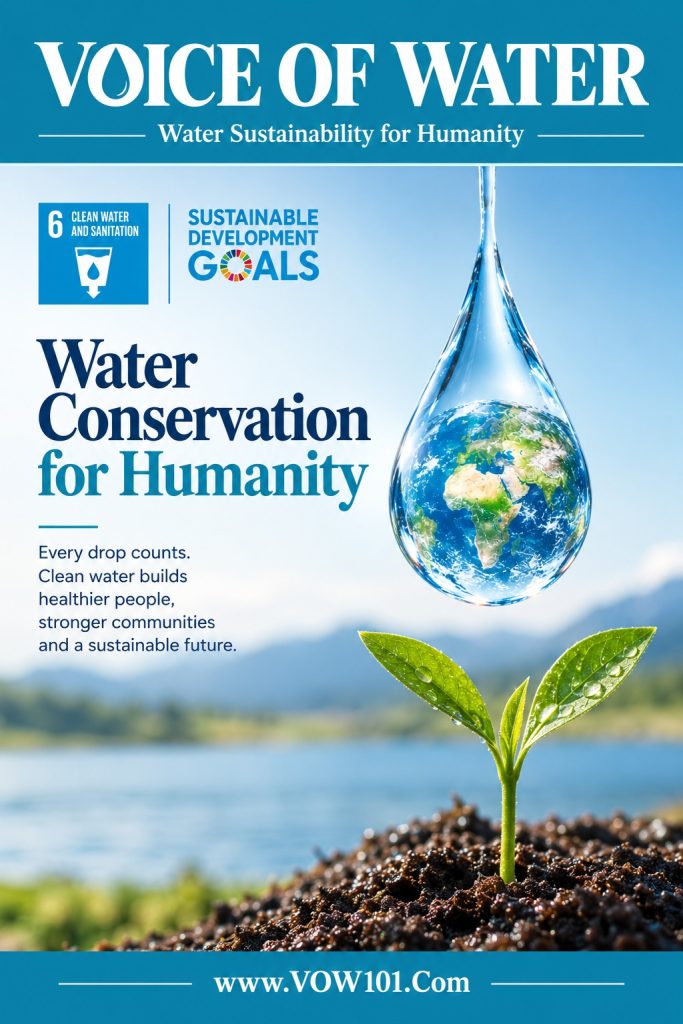
Conclusion: A Renewed Push for SDG 6 Ahead of 2030
As the 2026 United Nations Water Conference convenes in Abu Dhabi this December, the stakes could not be higher. With the 2030 deadline for the Sustainable Development Goals fast approaching, the conference represents a critical opportunity for the international community to translate political commitments into accelerated, tangible progress on water and sanitation access worldwide.
The three days of deliberation in Abu Dhabi will be closely watched as a barometer of global resolve — testing whether governments, the private sector and civil society can move beyond pledges toward the sustained financing, governance reform and technological innovation needed to deliver on SDG 6. Ultimately, the success of the 2026 conference will be measured not by the commitments made in Abu Dhabi, but by the concrete change they help deliver for the billions of people worldwide still waiting for safe, reliable access to water and sanitation.
2026 United Nations Water Conference Link: 2026 UN Water Conference | Department of Economic and Social Affairs