
World Water Week 2026 Opens in Stockholm Under Theme “Water for People and Progress”
World Water Week 2026 opens in Stockholm Aug 23-27 under "Water for People and Progress," as new UN data shows billions still lack safe water and SDG 6 remains off-track.
-
World Water Week 2026 Opens in Stockholm Under Theme “Water for People and Progress”
-
World Water Week 2026 opens in Stockholm Aug 23-27 under “Water for People and Progress,” as new UN data shows billions still lack safe water and SDG 6 remains off-track.
Stockholm: World Water Week, organized annually by the Stockholm International Water Institute (SIWI), has served since 1991 as one of the world’s foremost platforms for addressing global water, development, and sustainability challenges. Originally launched as the Stockholm Water Symposium, the event was renamed World Water Week in Stockholm in 2001 and has grown into a gathering that regularly draws more than 1,500 on-site and online participants and over 500 organizations from roughly 190 countries and territories. Each edition adopts a new theme reflecting the most pressing issues on the global water agenda, and the week traditionally features the presentation of the Stockholm Water Prize and the Stockholm Junior Water Prize, among the most prestigious honors in the water sector.
This year’s conference arrives at a pivotal moment. 2026 marks a decade since the adoption of Sustainable Development Goal 6 (SDG 6) — the global commitment to ensure availability and sustainable management of water and sanitation for all by 2030 — and the newly released UN SDG 6 Synthesis Report shows that, despite real progress, the world remains significantly off track to meet that target.
Stockholm — August 23, 2026
World Water Week 2026 officially opened today in Stockholm, convening policymakers, scientists, civil society leaders, and private-sector representatives for five days of discussions on the world’s most urgent water challenges. Running from August 23 to 27, the conference is being held at the Stockholm Waterfront Congress Centre and online, under the theme “Water for People and Progress.”
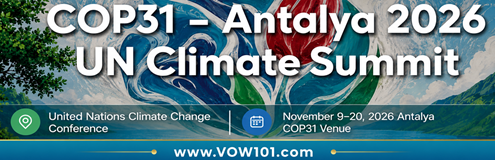
Organized by SIWI, this year’s program is centered on advancing a more just and equitable water-secure future for people and the planet, set against the backdrop of accelerating climate change and persistent global inequality. The week is also designed to align with and help shape ongoing international processes, including preparations for the 2026 UN Water Conference and the UN Climate COP31 negotiations.
A Decade of SDG 6: Progress, But Not Fast Enough
The opening of World Water Week comes just weeks after the release of the UN’s 2026 SDG 6 Synthesis Report on Water and Sanitation, a flagship assessment marking ten years since the goal’s adoption. The report finds that the world has made measurable gains: between 2015 and 2024, roughly 961 million people gained access to safely managed drinking water, 1.2 billion gained safely managed sanitation, and 1.6 billion secured basic hygiene services. Global drinking water coverage rose from 68% to 74% over the decade, while sanitation coverage climbed from 48% to 58%, with some of the sharpest improvements recorded in rural areas.
Yet the same report delivers a sobering warning: none of the SDG 6 targets are currently on track to be met by 2030. As of 2024, an estimated 2.1 to 2.2 billion people still lacked access to safely managed drinking water, 3.4 billion lacked safely managed sanitation, and 1.7 billion were without basic hygiene services, including 646 million children lacking basic hygiene access in schools. At the current pace of implementation, analysts project SDG 6 will not be fully achieved until at least 2049 — nearly two decades behind schedule.
Water stress remains a critical concern as well. Roughly 10% of the global population now lives in countries facing high or critical water stress, and agriculture, which accounts for 72% of global freshwater withdrawals, is both a major driver of and a primary casualty of that stress. Transboundary water cooperation, while improving on paper, continues to advance slowly in practice.
What’s on the Agenda
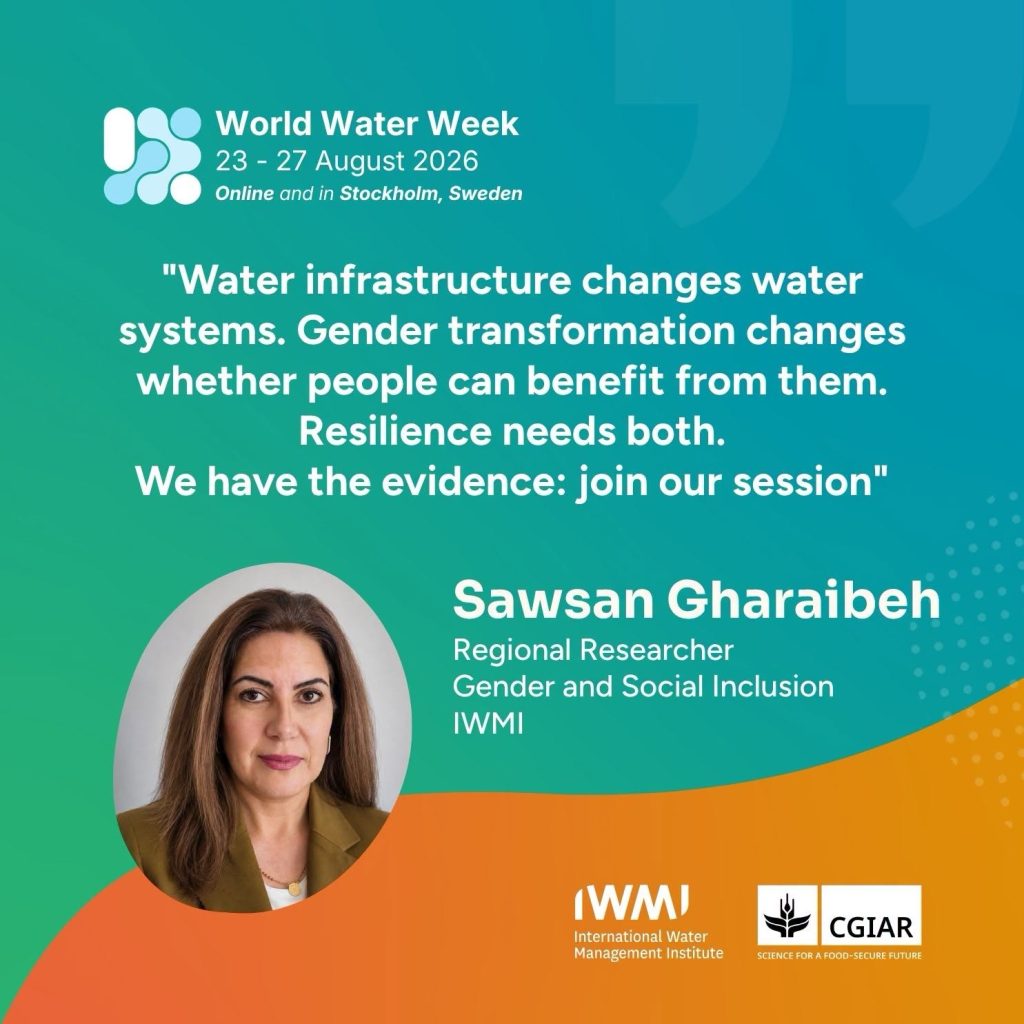
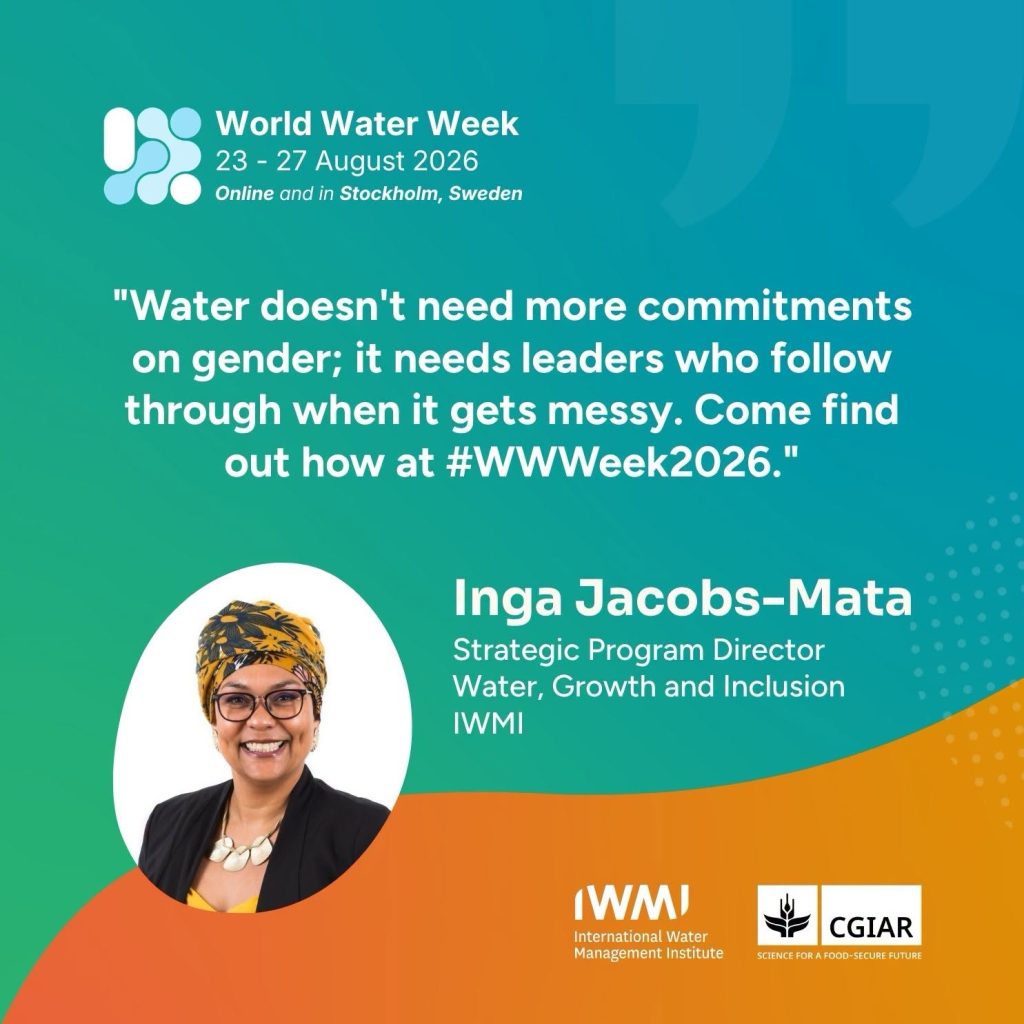
This year’s sessions will address a wide range of interconnected issues, from safely managed drinking water and sanitation as foundations of human health and development, to climate resilience, gender and water equity, disaster-response sanitation systems, and freshwater ecosystem protection. In line with World Water Day 2026 and the UN World Water Development Report, water and gender are expected to be especially prominent themes throughout the week.
Research institutions, government delegations, and NGOs from around the world — including national pavilions such as the Netherlands’ delegation coordinated through its Partners for Water program — are hosting sessions, panels, and exhibitions throughout the week. Many sessions are available to follow online free of charge, reflecting SIWI’s continued effort to widen participation beyond in-person attendees.
The week will also spotlight individual achievement in the water sector through the Stockholm Water Prize, awarded this year to Professor Günter Blöschl for his pioneering work on flood risk reduction, water resource management, and regional process hydrology. The Stockholm Junior Water Prize, a global competition open to students aged 15 and older who have completed water-related research projects, draws entrants from roughly 40 countries each year and will again showcase youth-led innovation in water science.
Why This Year’s Conference Matters
World Water Week 2026 is explicitly positioned as a stepping stone toward larger international processes later in the year. Organizers say the conference aims to lay groundwork for the UN Water Conference, co-hosted by the United Arab Emirates and Senegal and scheduled for December 8-10, 2026 in the UAE, as well as for discussions feeding into UN Biodiversity COP17 and UN Climate COP31. With water increasingly recognized as a connective thread across climate, food security, health, and biodiversity agendas, this year’s gathering carries added weight as a forum where scientific findings and policy commitments are expected to directly shape year-end negotiations.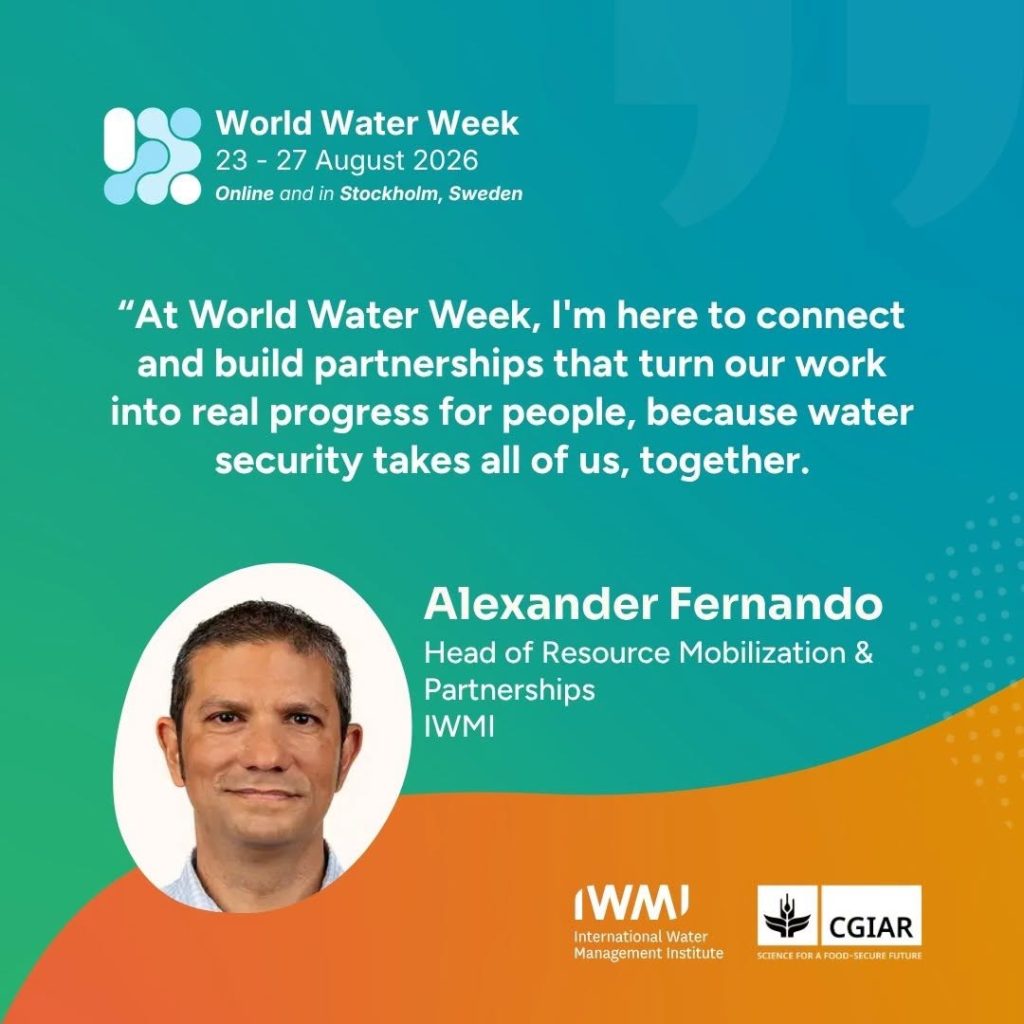
Conclusion: Climate Action, SDG 6, and Water for Humanity
As World Water Week 2026 gets underway, the conference stands as a stark reminder that water security is inseparable from the broader climate crisis. With billions still lacking access to safe drinking water and sanitation, and current projections showing SDG 6 could miss its 2030 deadline by nearly two decades, the urgency behind this year’s theme — “Water for People and Progress” — could not be clearer. Delegates in Stockholm are expected to press for accelerated financing, stronger governance, and deeper international cooperation to close these gaps before they widen further under mounting climate pressure.
Ultimately, the week underscores a message that has grown only more urgent over its 35-year history: water is not merely an environmental issue but a foundation of human dignity, health, and development. As climate change intensifies droughts, floods, and water stress across vulnerable regions, the discussions unfolding in Stockholm this week are poised to shape how governments, scientists, and communities work together to secure water for humanity — not just for 2030, but for generations beyond it.
This article is based on official conference details from the Stockholm International Water Institute (SIWI) and publicly available data from the UN SDG 6 Synthesis Report 2026, UN-Water, and the UN Department of Economic and Social Affairs. Figures reflect the latest data available as of publication.