Severe Hailstorm Destroys Wheat Crop in Talagang, Climate Change Blamed for Erratic Weather
Severe hailstorm and heavy rain damage wheat crops in Talagang as experts link extreme weather to climate change in Pakistan.
A powerful hailstorm combined with heavy rainfall has caused widespread destruction of wheat crops in Pera Jangla, a suburban village near Talagang. The unexpected weather event struck at a critical time when crops were fully mature, leading to extensive agricultural losses.
Residents described the storm as unusually intense, with large hailstones battering fields and knocking wheat spikes off plants. The sudden downpour further worsened the situation by soaking harvested wheat lying in open fields, rendering it unusable.
This extreme weather incident highlights the increasing unpredictability of climate patterns in Punjab, where agriculture remains a primary source of livelihood.
Farmers Face Severe Financial Losses
The destruction of standing and harvested crops has pushed local farmers toward a potential economic crisis. In rural areas like Talagang, wheat is not just a staple crop but also the backbone of household income.
Farmers reported that:
- Fully mature wheat crops were destroyed within minutes
- Harvested grain was spoiled due to rain exposure
- Months of labor and investment have been lost
Many farmers have urged authorities to conduct immediate damage assessments and provide financial relief. Without timely support, small-scale farmers risk falling into debt and long-term financial instability.
Climate Change Driving Extreme Weather
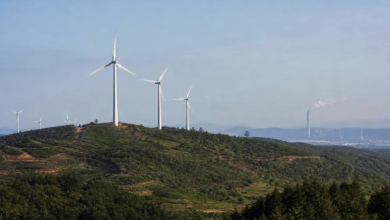
Environmental experts have linked the increasing frequency of such severe weather events to climate change. Rising global temperatures, largely driven by greenhouse gas emissions, are disrupting natural weather systems.
According to specialists, factors contributing to these changes include:
- Industrial emissions releasing greenhouse gases
- Rising atmospheric temperatures
- Altered rainfall patterns
- Increased frequency of extreme weather events
The Pakistan Meteorological Department has repeatedly warned about erratic weather patterns, including sudden hailstorms and unseasonal rains, which are becoming more common across the country.
Impact on Pakistan’s Food Security
The damage to wheat crops in Talagang is not an isolated incident but part of a broader trend affecting Pakistan’s agricultural sector. Wheat, being the country’s staple food, plays a crucial role in ensuring national food security.
Climate-related disruptions such as:
- Heatwaves
- Floods
- Hailstorms
- Water shortages
are increasingly threatening crop yields.
Recent agricultural data indicates that climate stress has already impacted major crops, including cotton and rice. Experts warn that repeated losses could lead to:
- Reduced food supply
- Rising food prices
- Increased dependence on imports
Need for Government Intervention
Farmers have called on the government and relevant departments to take immediate action. Key demands include:
- Rapid damage assessment surveys
- Financial compensation for affected farmers
- Emergency relief packages
The Punjab Agriculture Department is expected to play a crucial role in evaluating losses and providing support.
Experts also stress the need for long-term policy measures, including:
- Strengthening early warning systems
- Improving access to weather forecasts
- Providing crop insurance schemes
Importance of Climate-Resilient Agriculture
To mitigate future risks, experts are advocating for the adoption of climate-resilient agricultural practices. These include:
- Use of weather-resistant crop varieties
- Improved irrigation systems
- Crop diversification
- Adoption of modern farming technologies
Such measures can help farmers better cope with unpredictable weather conditions and reduce vulnerability to climate shocks.
In addition, timely weather advisories and digital tools can enable farmers to make informed decisions about planting, harvesting, and crop protection.
Future Risks and Preparedness
The hailstorm in Talagang serves as a warning of what lies ahead if climate change continues unchecked. Scientists predict that extreme weather events will become more frequent and intense in the coming years.
Pakistan, already ranked among the most climate-vulnerable countries, faces multiple risks including:
- Increasing heatwaves
- Erratic rainfall patterns
- Glacier melting and floods
- Agricultural instability
Addressing these challenges requires coordinated efforts at national and local levels, including stronger environmental regulations and investment in sustainable development.
Conclusion
The recent hailstorm in Talagang has exposed the growing vulnerability of Pakistan’s agriculture to climate change. The destruction of wheat crops not only threatens farmers’ livelihoods but also raises concerns about food security.
While immediate relief is essential, long-term solutions must focus on building resilience through sustainable agricultural practices, improved forecasting systems, and effective climate policies.
As extreme weather events become more common, proactive measures will be crucial to protect farmers and ensure the stability of Pakistan’s agricultural economy.