Pakistan Climate Crisis Deepens: Water Threats, Heatwaves, Food Insecurity & Global Partnerships Shape Future
Pakistan faces rising climate threats including water shortages, heatwaves, food insecurity, and health risks, while global partners step in to support resilience efforts.
Pakistan is facing a rapidly intensifying climate crisis, with overlapping challenges including extreme heat, water scarcity, food insecurity, and public health risks. As one of the most climate-vulnerable nations, the country is experiencing frequent floods, droughts, and rising temperatures driven by global warming.
Institutions like World Health Organization and Asian Development Bank have repeatedly warned that Pakistan’s fragile systems could struggle to cope without urgent reforms and international support.
Water Security and Indus Basin Tensions
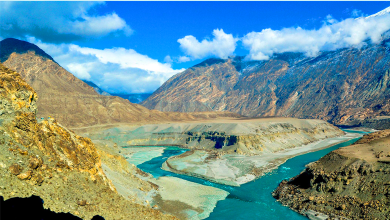
Water remains the backbone of Pakistan’s economy, heavily dependent on the Indus River system governed by the Indus Waters Treaty. However, recent tensions following India’s suspension of the treaty have raised alarm among experts.
Any disruption in water flow could severely impact agriculture, energy production, and livelihoods. Experts warn that irregular water releases and lack of data-sharing could lead to:
- Crop failures due to mistimed irrigation
- Increased flooding risks
- Long-term water shortages
Pakistan has raised the issue at the United Nations Security Council, highlighting the treaty’s importance for regional stability.
Heatwaves and Public Health Emergencies
The National Disaster Management Authority has issued warnings of severe heatwaves across Sindh, southern Punjab, and Balochistan, with temperatures expected to exceed 45°C in coming months.
Major cities like Karachi, Multan, and Jacobabad are at high risk, with authorities preparing for:
- Increased heatstroke cases
- Dehydration emergencies
- Pressure on hospitals and healthcare systems
Climate experts link these extreme heat events directly to global warming, with studies showing that heatwaves are becoming more frequent and intense.
Food Insecurity Reaches Critical Levels
According to the Global Report on Food Crises 2026, Pakistan is among the top 10 countries facing acute food insecurity. Around 11 million people are struggling to access sufficient food.
Key drivers include:
- Climate-induced floods destroying crops
- Rising inflation and economic pressures
- Water shortages affecting agriculture
Regions such as Balochistan, Sindh, and Khyber Pakhtunkhwa remain the most vulnerable. The situation highlights the urgent need for climate-resilient agriculture and better resource management.
Malaria Resurgence Linked to Climate Shocks
On World Malaria Day, the World Health Organization warned of a possible resurgence of malaria in Pakistan.
Although cases dropped by 10% in 2025, the country still recorded 1.8 million infections, far above pre-2022 levels.
Climate-driven floods have played a major role in spreading the disease by:
- Creating stagnant water for mosquito breeding
- Disrupting healthcare systems
- Increasing vulnerability in rural areas
Efforts supported by the Global Fund to Fight AIDS, Tuberculosis and Malaria have helped expand treatment and prevention, including millions of bed nets.
Global Partnerships Driving Climate Action
International cooperation is playing a critical role in Pakistan’s climate response.
The Asian Development Bank has announced:
- $800 million financing package for 2025
- Additional $1 billion expected support
- Investments in social protection and climate resilience
Similarly, Pakistan signed its first carbon market deal with Norway under the Paris Agreement, enabling:
- Emission reduction projects
- Climate credit trading
- Green investment inflows
These partnerships aim to reduce emissions while boosting economic growth and job creation.
Agriculture Under Pressure and Innovation Efforts
Agriculture, which employs over one-third of Pakistan’s workforce, is under severe stress due to climate change.
Challenges include:
- Water shortages during Kharif season (up to 35% shortfall)
- Heat stress damaging crops like cotton
- Increased pest attacks due to erratic weather
Experts at institutions like the Ayub Agricultural Research Institute emphasize the need for climate-smart solutions, including:
- Integrated Pest Management (IPM)
- Mechanization and modern irrigation
- Climate-resilient crop varieties
Meanwhile, China has stepped in to support Punjab’s agriculture sector through technical cooperation and smart farming initiatives.
Data, Governance, and Future Opportunities
Pakistan is also taking steps to improve governance and planning. A major initiative is the launch of a national water and sanitation database under the Ministry of Climate Change Pakistan.
This system aims to:
- Address data gaps in water management
- Improve transparency and decision-making
- Support climate-resilient infrastructure
Experts stress that better data, combined with digital tools and AI, can transform Pakistan’s ability to manage climate risks effectively.
Conclusion
Pakistan stands at a defining moment in its climate journey. From water disputes and heatwaves to food insecurity and disease outbreaks, the challenges are complex and interconnected.
However, opportunities are equally significant. With strong global partnerships, policy reforms, and investment in climate-smart solutions, Pakistan can build resilience and secure a sustainable future.
The path forward requires:
- Integrated water and climate governance
- Inclusive policies supporting vulnerable communities
- Continued international cooperation
The Pakistan climate crisis is no longer a distant threat—it is a present reality demanding urgent, coordinated action.