
Critical Water Crisis: Rawalpindi Residents Face Severe Water Scarcity in Extreme Heat
Rawalpindi water shortage worsens as underground water levels drop to 800 feet, tube wells dry up, and residents struggle with severe summer water scarcity.
The worsening Rawalpindi water shortage has created major difficulties for residents across the city and cantonment areas as rising summer temperatures intensify pressure on already strained water resources.
Authorities and local residents say the ongoing crisis has disrupted daily life in several neighborhoods, leaving thousands struggling to access clean drinking water.
The shortage has been linked to:
- Falling underground water levels
- Drying tube wells
- Power outages
- Increased summer demand
- Malfunctioning infrastructure
As temperatures continue to rise, citizens fear the situation could worsen further in the coming weeks.
Underground Water Levels Drop Alarmingly
Rawalpindi Water Shortage Linked to Falling Groundwater
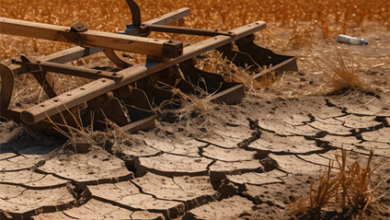
Officials report that underground water levels in Rawalpindi have dropped to nearly 800 feet, creating serious concerns about long-term water sustainability.
Many government-installed tube wells dating back to the 1990s are reportedly drying up due to declining groundwater reserves.
Experts warn that unchecked groundwater extraction, rapid urban expansion, and climate change are accelerating water depletion across the region.
The declining water table has severely reduced the efficiency of older tube-well systems that were not designed to operate at such depths.
Tube Wells Dry Up Across the City
Ageing Infrastructure Struggles Under Extreme Heat
Several tube wells across Rawalpindi and cantonment areas have reportedly become non-operational because of:
- Burnt-out motors
- Mechanical failures
- Low water pressure
- Extreme summer temperatures
Residents say water supply disruptions are becoming increasingly frequent during peak daytime hours.
Areas severely affected by the crisis include:
- Sadiqabad
- Dhoke Hassu
- Pirwadhai
- Ratta Amral
- Tench Bhatta
- Chaklala
- Adjoining localities
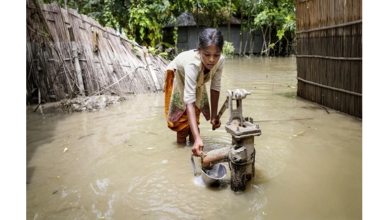
Many families are now forced to fetch water manually from distant neighborhoods.
Power Outages Worsen Water Crisis
Load-Shedding Disrupts Water Supply Operations
Residents say repeated electricity outages and unannounced load-shedding are making the crisis even worse.
Operational tube wells are frequently forced offline due to electricity interruptions, reducing already limited water availability.
Citizens complain that irregular power supply has made it nearly impossible for authorities to maintain consistent water distribution during the ongoing heatwave.
Experts note that Pakistan’s water and energy crises are increasingly interconnected, particularly during extreme summer conditions.
Residents Struggle as Tanker Prices Rise
Water Tanker Costs Increase Sharply
Private water tanker operators have reportedly increased prices significantly due to soaring demand.
Current tanker prices in Rawalpindi include:
- Small tanker: around Rs1,500
- Large tanker: Rs3,000 to Rs3,300
Many low-income families say they can no longer afford regular tanker deliveries.
Residents seeking government-operated tanker services are reportedly facing delays of two to three days because of overwhelming demand.
The crisis has particularly affected women and children who are often forced to spend hours collecting water from alternative sources.
Filtration Plants Remain Non-Operational
Clean Drinking Water Supply Severely Affected
The prolonged closure of water filtration plants has further intensified the Rawalpindi water shortage.
Residents say multiple filtration facilities across the city have remained non-functional for nearly two months.
According to citizens, the Punjab Aab-e-Pak Authority has yet to restore the damaged or closed filtration plants.
As a result, access to clean and filtered drinking water has become increasingly limited in several areas.
Health experts warn that the lack of safe drinking water could increase the risk of waterborne diseases during the summer season.
Climate Change and Urban Water Stress
Rising Temperatures Increase Water Demand
Environmental experts say climate change and rapid urbanization are worsening water scarcity across Pakistani cities.
Factors contributing to Rawalpindi’s water crisis include:
- Rising temperatures
- Population growth
- Over-extraction of groundwater
- Poor urban planning
- Ageing infrastructure
- Limited water conservation measures
Pakistan already ranks among the countries facing severe water stress, with experts warning that groundwater depletion could become a major national crisis in the coming decades.
Experts Call for Sustainable Water Management
Long-Term Solutions Needed
Water management experts believe emergency tanker supplies alone cannot solve Rawalpindi’s growing water shortage.
They recommend:
- Expanding rainwater harvesting systems
- Modernizing tube-well infrastructure
- Restoring filtration plants
- Improving groundwater regulation
- Investing in water conservation
- Reducing water wastage
Analysts say authorities must urgently adopt sustainable urban water management strategies to prevent future crises.
Residents in several areas have reportedly warned of protests if immediate relief measures are not introduced soon.
Conclusion
The worsening Rawalpindi water shortage highlights the growing pressure on urban water systems amid extreme heat, falling groundwater levels, and ageing infrastructure.
As residents across multiple neighborhoods struggle for access to clean water, experts warn that climate change, population growth, and poor resource management are intensifying Pakistan’s water crisis.
Without immediate intervention and long-term water conservation planning, authorities fear severe shortages could become more frequent in major urban centers across the country.