Climate Displacement Pakistan Crisis Deepens as Global Funding Response Faces Critical Test in 2026
Climate Displacement Pakistan crisis intensifies as millions remain displaced after floods, testing global commitment to Loss and Damage funding.
Climate Displacement Pakistan has reached a devastating and critical stage as the country struggles to recover from the catastrophic 2025 monsoon floods. With millions still displaced and another monsoon season approaching, global attention is increasingly focused on whether international commitments to climate justice will translate into real financial support.
According to the United Nations Office for the Coordination of Humanitarian Affairs (OCHA), the floods affected approximately 6.9 million people, displaced nearly 3 million, and claimed over 1,000 lives, including 275 children. The crisis has exposed deep vulnerabilities in Pakistan’s climate resilience framework.
Scale of the Climate Displacement Pakistan Crisis
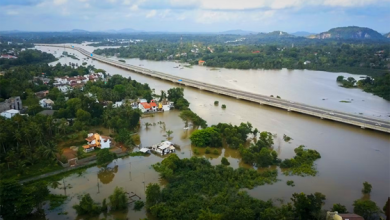
The magnitude of the Climate Displacement Pakistan crisis is staggering. The province of Punjab, the country’s agricultural backbone, experienced its worst flooding in four decades.
As of April 2026:
- 6.9 million people affected
- 3 million displaced
- 1,000+ fatalities
- 275 children among the victims
The humanitarian crisis remains ongoing, with families still living in temporary shelters and struggling to rebuild their lives.
Humanitarian Emergency and OCHA Response
The United Nations Office for the Coordination of Humanitarian Affairs continues to lead relief efforts through its active support plan covering October 2025 to April 2026.
Despite ongoing interventions:
- Thousands remain homeless
- Winter conditions worsened suffering in northern areas
- Livelihood restoration remains slow
The urgency of the situation has prompted calls for accelerated international assistance before the next monsoon season begins.
A “Crisis of Justice,” Not Just Climate
Pakistan’s Federal Minister for Climate Change, Dr. Musadik Malik, described the situation as a “crisis of justice” rather than merely a climate crisis.
In an interview with Al Jazeera, he emphasized that:
- Pakistan contributes less than 1% to global carbon emissions
- Major emitters bear disproportionate responsibility
This framing highlights the growing global debate over climate equity and responsibility.
Infrastructure and Agricultural Losses
The Climate Displacement Pakistan crisis has inflicted severe damage on infrastructure and agriculture, compounding economic challenges.
According to the National Disaster Management Authority:
- 229,700 houses damaged or destroyed
- 790 bridges affected
- 2,811 km of roads damaged
- 2.2 million hectares of farmland lost
- 22,800 livestock perished
These losses have disrupted livelihoods, especially in rural communities dependent on agriculture.
Climate Displacement Pakistan and Global Inequality
The crisis underscores a harsh reality: countries least responsible for climate change often suffer the most.
Reports from Human Rights Watch stress that Pakistan must protect citizens under international human rights obligations, but global financial systems also share responsibility.
Key concerns include:
- Insufficient climate financing
- Delayed international aid
- Lack of equitable resource distribution
This imbalance raises serious questions about global climate governance.
Rising Trend of Climate Migration
The Climate Displacement Pakistan phenomenon is not new. It reflects a long-term trend of climate-induced migration.
According to the Internal Displacement Monitoring Centre:
- 23.6 million displacements occurred between 2008–2022
- Over 107 disasters triggered these movements
The 2022 floods alone:
- Affected 33 million people
- Displaced 8 million
- Caused $40 billion in damages
The 2025 floods have further intensified this ongoing crisis.
Flood Patterns and Glacier Impact
Pakistan’s geography makes it particularly vulnerable to climate extremes.
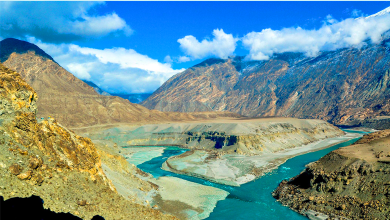
The country hosts over 13,000 glaciers—the largest concentration outside polar regions. Rapid melting has:
- Increased river flows
- Intensified flooding patterns
Major rivers affected include:
- Indus River
- Jhelum River
- Chenab River
- Ravi River
- Sutlej River
Heavy monsoon rains caused these rivers to overflow, leading to widespread devastation.
Compounding Humanitarian Pressures
Pakistan also hosts approximately 3.7 million Afghan refugees, adding complexity to the Climate Displacement Pakistan crisis.
Many refugees were:
- Directly affected by floods
- Living in vulnerable conditions
- Dependent on humanitarian aid
This overlap of crises has stretched national and international response capacities.
Loss and Damage Fund: A Global Test
The establishment of the Loss and Damage Fund during COP27 was seen as a historic step toward climate justice.
However, challenges remain:
- Slow fund mobilization
- Limited accessibility for vulnerable nations
- Lack of equitable distribution
Pakistan’s situation now serves as a critical test case for whether global commitments can deliver tangible results.
Climate Displacement Pakistan: A Defining Moment
As the next monsoon season approaches, the stakes are rising. Millions remain displaced, living in precarious conditions, and dependent on timely international support.
The consequences of inaction include:
- Prolonged humanitarian suffering
- Increased migration pressures
- Regional instability
The international community faces a defining choice—either act decisively or risk another failure in climate justice.
External Resources
- Learn more about humanitarian response:
https://www.unocha.org - Climate displacement data insights:
https://www.internal-displacement.org
Conclusion
The Climate Displacement Pakistan crisis is not just a national emergency—it is a global test of accountability and commitment. With millions displaced and recovery efforts lagging, the need for immediate and effective climate financing has never been more urgent.
As highlighted by Dr. Musadik Malik, this is fundamentally a crisis of justice. The coming months will determine whether international promises, particularly through mechanisms like the Loss and Damage Fund, can translate into real-world relief.
For millions of affected Pakistanis, the outcome will shape not just recovery—but survival.