Turkmenistan Advances Water Resources Management Through National Dialogues
GWP Turkmenistan held key events in June-July 2026 on IWRM, SDG 6.5.1 progress, and biodiversity finance, engaging government and international partners.
Turkmenistan Advances Integrated Water Resources Management Through Series of National Dialogues
Ashgabat, August 11, 2026 — The Turkmenistan Country Water Partnership (GWP Turkmenistan) engaged in a series of high-level events during June and July 2026 aimed at strengthening Integrated Water Resources Management (IWRM) across the country. The initiatives brought together government institutions, UN agencies, international development partners, and civil society organizations to address institutional, legal, and technical gaps in water resource governance.
Background
Water resource management has become an increasingly urgent priority in Central Asia, where countries like Turkmenistan face mounting pressure from climate change, water scarcity, and the need to align national policy with international sustainability frameworks. Integrated Water Resources Management (IWRM) offers a coordinated approach to water governance, balancing the needs of different sectors while promoting long-term environmental sustainability. Turkmenistan’s engagement with GWP (Global Water Partnership) reflects a broader regional effort to strengthen institutional capacity, improve data collection for global reporting mechanisms like the Sustainable Development Goals (SDGs), and mobilize financing for biodiversity and conservation initiatives.
National Policy Dialogues on Water
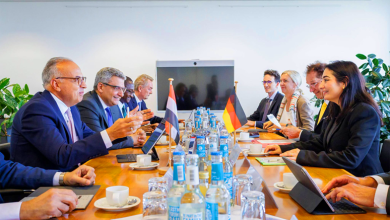
On June 23, 2026, in Ashgabat, stakeholders convened for the first meeting of the National Water Policy Dialogues. Participants included representatives from government ministries, state committees, research and design institutes, UN agencies, internationally supported programs, the private sector, state media, and civil society organizations working on climate-related water management. The meeting sought to build a coordinated, intersectoral vision for advancing IWRM in Turkmenistan, with objectives including:
- Discussing priority objectives for Turkmenistan’s water sector and pathways to achieve them
- Reviewing international and regional best practices for potential adaptation
- Identifying institutional, legal, and technical improvement needs, along with opportunities for cooperation with development partners
Progress Assessment for SDG Indicator 6.5.1
From July 2–3, 2026, GWP Turkmenistan co-organized inter-sectoral dialogues in Ashgabat to assess national progress on SDG indicator 6.5.1, which measures the degree of integrated water resources management implementation. Following a methodology developed by UNEP-DHI, the sessions gathered representatives from 19 institutions, including state organizations, ministries, business companies, analytical agencies, and civil society organizations. The discussions mark an early step toward preparing Turkmenistan’s regular country report for 2026, which is scheduled for submission to UNEP in September 2026.
Consultative Workshop on Biodiversity Finance
On July 30, 2026, GWP Turkmenistan took part in a consultative workshop held under the UNDP project “Umbrella Programme to Support Development of Biodiversity Finance Plans,” funded by the Global Environment Facility (GEF) and implemented with Turkmenistan’s Ministry of Environmental Protection. The workshop presented findings from the Policy and Institutional Review (PIR) and preliminary results of the Biodiversity Expenditure Review (BER).
The project applies the Biodiversity Finance Initiative (BIOFIN) methodology to evaluate national financing needs, assess current expenditures, and identify opportunities to mobilize additional resources for conservation. It aligns with the Kunming-Montreal Global Biodiversity Framework and the Convention on Biological Diversity, aiming to close Turkmenistan’s biodiversity finance gap. Participants reviewed initial findings on public and private investment in biodiversity, the existing policy framework, and preliminary expenditure estimates, with feedback expected to refine subsequent stages of the project.
Conclusion
Taken together, these three events reflect a sustained push by Turkmenistan to strengthen its water governance framework through international collaboration and evidence-based policymaking. By engaging stakeholders across government, civil society, and the private sector, GWP Turkmenistan is laying the groundwork for more coordinated water management, improved SDG reporting, and stronger biodiversity financing — steps that will be critical as the country prepares its 2026 national progress report and continues aligning its water and environmental policies with global frameworks.