
Karachi Water Crisis Deepens as Ageing Dams Deteriorate and Farmlands Disappear
Karachi Water Crisis intensifies as ageing dams deteriorate, groundwater levels decline, and agricultural lands disappear. Experts call for urgent rainwater harvesting and dam rehabilitation.
The Karachi Water Crisis is becoming increasingly severe as ageing rainwater dams in the city’s outskirts continue to deteriorate, reducing groundwater recharge and threatening agricultural livelihoods in areas such as Malir, Gadap, and Bin Qasim Town.
Experts warn that without urgent rehabilitation of existing dams and investment in rainwater harvesting infrastructure, Karachi could face even greater water shortages, environmental degradation, and loss of agricultural land in the coming years.
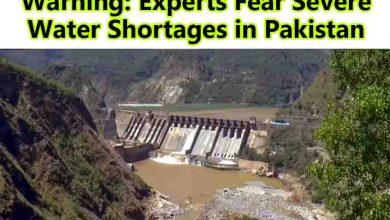
Ageing Dams and Declining Water Storage
Many dams located on Karachi’s outskirts were originally built by various government departments and development agencies to capture seasonal rainfall and replenish groundwater reserves.
These include dams constructed by:
- Public Health Engineering Department (PHED)
- Irrigation Department
- Gadap Town Administration
- Private developers
- Housing authorities
However, years of neglect and inadequate maintenance have significantly reduced their effectiveness.
According to officials, several dams have suffered from:
- Structural deterioration
- Sediment accumulation
- Reduced storage capacity
- Lack of repair funding
A PHED official revealed that all 12 dams under the department’s supervision are currently in poor condition and require urgent rehabilitation.
Impact on Agriculture and Groundwater
The declining condition of these reservoirs has directly affected groundwater levels across Karachi’s rural belt.
Environmental experts report that:
- Areas near functioning dams still access water at depths of 60–70 feet.
- Areas farther away often require drilling between 400–600 feet.
This sharp decline has increased irrigation costs and placed tremendous pressure on farmers.
Key Consequences
✔ Reduced crop production
✔ Drying orchards and agricultural lands
✔ Rising groundwater extraction costs
✔ Declining farm incomes
✔ Increased migration away from agriculture
Local landowners warn that many farmers can no longer sustain agricultural operations due to water shortages and electricity load-shedding.
Agricultural Land Rapidly Disappearing
The water shortage is accelerating another major challenge: the conversion of farmland into housing schemes.
According to local stakeholders:
- Nearly 90% of agricultural land in some peripheral areas has already been transformed into:
- Housing societies
- Commercial developments
- Informal settlements
Farmers facing water scarcity and expiring agricultural leases are increasingly compelled to sell land at low prices.
Experts describe Karachi’s agricultural belt as the city’s environmental “lungs,” helping regulate temperatures, absorb carbon emissions, and support biodiversity.
Climate Change Worsening the Situation
Climate change is intensifying water-related challenges across Pakistan, including Karachi.
While rainfall patterns have become more unpredictable, the city has experienced several years of above-average rainfall.
Karachi Rainfall Statistics
| Indicator | Rainfall |
|---|---|
| Average Annual Rainfall | 186.3 mm |
| Highest Annual Rainfall | 481.4 mm (1994) |
| Highest Monthly Rainfall | 366.8 mm (August 2020) |
Despite receiving substantial rainfall during certain years, inadequate storage infrastructure prevents the city from effectively capturing and utilizing this valuable resource.
Experts argue that much of this water is lost due to insufficient rainwater harvesting systems.
Historical Water Infrastructure
Karachi has a long history of rainwater management.
Historical records indicate that:
- More than 78 seasonal streams and rivers exist around Karachi.
- These waterways feed into larger river systems before reaching the Arabian Sea.
- The British established early rainwater reservoir systems approximately 150 years ago through the Dumlottee wells and water conduits.
Today, many of these historic systems have deteriorated or dried up.
Importance of Rainwater Harvesting
Environmental specialists believe that restoring and expanding rainwater harvesting infrastructure could significantly improve Karachi’s water security.
Potential benefits include:
Groundwater Recharge
Captured rainwater gradually replenishes underground aquifers.
Agricultural Protection
Reliable water availability supports farms and orchards.
Flood Mitigation
Reservoirs help absorb excess rainfall and reduce urban flooding.
Urban Cooling
Vegetation supported by groundwater helps lower temperatures.
Climate Adaptation
Improved storage strengthens resilience against droughts and heatwaves.
Experts estimate that rehabilitating more than 50 existing dams and constructing additional reservoirs could dramatically improve water management across Karachi’s outskirts.
Environmental Challenges Affecting Recharge
Several environmental issues are reducing the effectiveness of groundwater replenishment.
Illegal Sand and Gravel Mining
Unregulated extraction activities damage natural water channels and reduce infiltration.
Deforestation
Tree cutting decreases soil stability and limits water absorption.
Urban Expansion
Rapid construction disrupts natural drainage routes and recharge zones.
Environmental activists argue that protecting watersheds is as important as repairing dams themselves.
Expert Recommendations
Water and environmental experts have proposed several solutions to address the Karachi Water Crisis:
Immediate Actions
- Desilt existing dams
- Repair damaged reservoir infrastructure
- Restore natural drainage channels
- Improve groundwater monitoring
Long-Term Measures
- Construct new rainwater harvesting dams
- Implement groundwater recharge projects
- Enforce restrictions on illegal mining
- Protect agricultural land from unchecked urban expansion
- Develop integrated climate adaptation strategies
Former NED University Vice Chancellor Dr. Sarosh Lodhi emphasized that rainwater conservation has become a global necessity as climate change intensifies water stress.
Conclusion
The worsening Karachi Water Crisis highlights the urgent need to rehabilitate ageing dams, protect groundwater resources, and strengthen rainwater harvesting systems. As climate change increases pressure on already limited water supplies, restoring Karachi’s neglected water infrastructure could provide significant benefits for agriculture, environmental sustainability, flood management, and long-term urban resilience.
Without timely intervention, continued groundwater depletion and farmland loss may further threaten Karachi’s ecological balance and water security, making sustainable water management one of the city’s most pressing challenges.