

WFP, Buner Administration Inaugurate Upgraded Disaster Management Unit
WFP and Buner District Administration inaugurate an upgraded Disaster Management Unit to strengthen climate preparedness, early warning and emergency response.
WFP and Buner District Administration Inaugurate Upgraded Disaster Management Unit
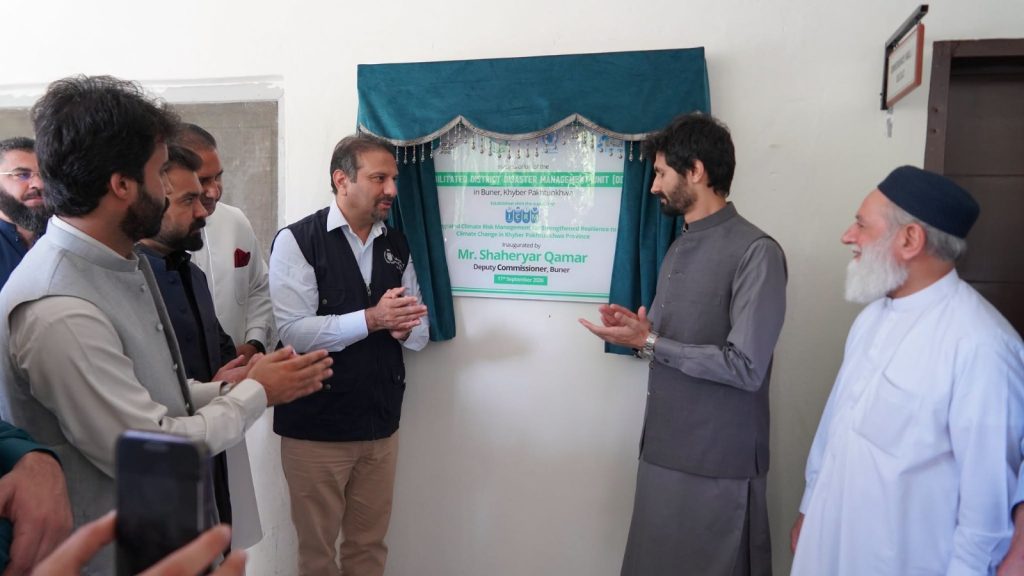
Buner, September 24, 2026: The World Food Programme (WFP), in partnership with the District Administration of Buner, has inaugurated a newly rehabilitated District Disaster Management Unit (DDMU) to strengthen local preparedness and response to climate-related disasters.
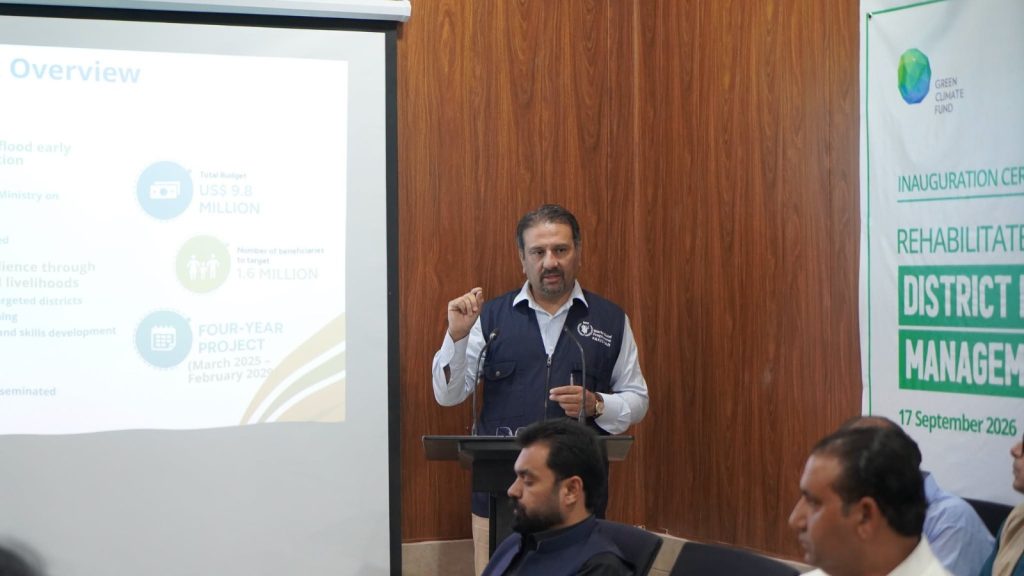
The upgraded facility is part of the Integrated Climate Risk Management project, funded by the Green Climate Fund (GCF). The inauguration brought together district officials, WFP representatives and local community leaders to mark the completion of the facility, which is expected to serve as a key operational centre for disaster risk management in Buner.
Upgraded Disaster Management Facility in Buner
Buner is increasingly exposed to climate-related hazards, including floods, landslides and extreme weather events. The rehabilitated DDMU has been designed as a central coordination hub to help district authorities anticipate, prepare for and respond to emergencies.
The facility includes upgraded infrastructure, improved communication systems and dedicated operational spaces. These improvements are intended to strengthen coordination among government departments and response partners while helping reduce delays during emergencies.
The upgraded unit will support several important disaster management functions, including:
- Early warning and information management: Supporting timely alerts and data-based decision-making before hazards develop into major emergencies.
- Inter-agency coordination: Helping government departments, humanitarian organisations and other response partners work together and reduce duplication.
- Emergency operations: Providing a dedicated operational centre for coordinating relief activities, deploying resources and directing response efforts.
- Climate risk management: Supporting risk mapping, resilience planning and the use of climate information in district-level governance and development decisions.
Strengthening Local Disaster Preparedness
Officials attending the inauguration highlighted the importance of strengthening disaster preparedness at the district level.
A functional DDMU can allow local authorities and communities to respond more quickly when climate-related hazards occur rather than depending entirely on assistance from provincial or national authorities.
Local preparedness is particularly important in situations where floods, landslides or other emergencies can develop rapidly. Strengthening communication, coordination and operational capacity at the district level can help authorities organise their response more efficiently.
Background: Climate Risks in Pakistan
Pakistan faces significant exposure to climate-related hazards, including floods, droughts, extreme weather and changing rainfall patterns.
The devastating floods of 2022 demonstrated the scale of the country’s vulnerability. According to the source material, the floods submerged nearly one-third of Pakistan, displaced more than 33 million people and resulted in damages and economic losses exceeding $30 billion.
Since then, changing climate conditions have continued to place pressure on vulnerable communities and disaster management systems. Erratic monsoon patterns, glacial melt, prolonged droughts and sudden flash floods can create additional risks for communities with limited infrastructure and institutional resources.
Buner, located in Khyber Pakhtunkhwa, is among the districts where geographic exposure and infrastructure challenges make effective disaster preparedness particularly important.
Integrated Climate Risk Management Project
The rehabilitation of the Buner DDMU forms part of the Integrated Climate Risk Management project, funded by the Green Climate Fund and implemented with WFP alongside provincial and district authorities.
The project takes a locally focused approach to strengthening climate resilience. Its areas of work include institutional capacity, early warning systems, community preparedness and cooperation between different stakeholders.
Strengthening Institutional Capacity
Rehabilitating and equipping District Disaster Management Units can provide local authorities with operational facilities for use before, during and after emergencies.
The objective is to strengthen district-level capacity so local authorities can play a more effective role in disaster preparedness and response.
Improving Early Warning Systems
The project also focuses on improving access to climate and hazard information.
Timely information can help authorities and communities prepare for potential hazards and take appropriate action before an emergency causes widespread damage.
Building Local Expertise
Training district officials, first responders and community volunteers is another component of the initiative.
Developing local expertise can help communities and authorities manage climate risks more effectively and strengthen preparedness over the longer term.
Promoting Coordination
The initiative also seeks to connect government departments, humanitarian organisations, civil society groups and community structures.
Improved coordination can help different organisations understand their respective roles and work together during emergencies.
Supporting Climate-Smart Planning
Climate risk information can also be incorporated into district development planning, infrastructure projects and land-use decisions.
This approach aims to consider potential climate risks before new infrastructure and development projects are implemented.
Disaster Resilience Efforts Across Pakistan
The Buner DDMU is part of wider resilience-building efforts described in the source material across flood- and drought-prone districts in Khyber Pakhtunkhwa, Sindh and Balochistan.
These efforts reflect a broader shift from relying primarily on post-disaster response toward greater emphasis on preparedness, early warning and anticipatory action.
Strengthening local disaster management structures can provide districts with the systems and infrastructure needed to coordinate emergency operations more effectively.
Why Local Disaster Management Matters
Climate-related emergencies can place significant pressure on government institutions, humanitarian organisations and affected communities.
A locally equipped disaster management unit can provide a permanent structure for coordination, information management and emergency operations. It can also help authorities maintain preparedness between disasters rather than building response capacity only after an emergency occurs.
The rehabilitation of the Buner DDMU therefore represents an investment not only in emergency response infrastructure but also in longer-term institutional capacity and climate resilience.
Conclusion
The inauguration of the upgraded District Disaster Management Unit in Buner marks a step toward strengthening local preparedness for climate-related emergencies.
Through the Integrated Climate Risk Management project, WFP and its partners are supporting improvements in disaster management infrastructure, early warning, coordination, local expertise and climate-risk planning.
For vulnerable districts such as Buner, stronger local systems can provide an important foundation for faster and more coordinated action when floods, landslides and other climate-related hazards occur. The initiative also highlights the importance of investing in preparedness and resilience alongside emergency response.