

Climate Change Threatens Pakistan’s Food Security, Experts Warn
A new IPRI analysis warns climate change poses an existential threat to Pakistan's food security, citing $1.23 billion in 2025 agricultural losses.
Climate Change Poses Existential Threat to Pakistan’s Food Security, Experts Warn
October 3, 2026 — Climate change is emerging as an existential threat to global food systems, but the risks are especially acute for Pakistan, where the loss of crops and livestock during extreme weather events is not only damaging rural incomes but also pushing vulnerable communities toward cities, intensifying urbanisation, waste generation, and associated environmental and public-health pressures, according to a new analysis from the Islamabad Policy Research Institute (IPRI).
Background
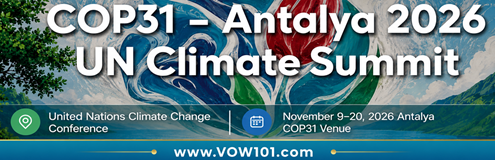
Climate change, driven by deforestation, fossil-fuel use and rapid industrialisation, has become one of the defining threats of the current era. Despite years of global discussion, rising emissions suggest global warming could exceed 2.5 degrees Celsius — a scale of increase that would carry severe consequences for life on Earth. The COP30 summit held in Belém, Brazil, in November 2025, highlighted the hazardous impacts of climate change but did not establish firm targets or enforcement mechanisms to limit fossil-fuel emissions. The next summit, COP31, is scheduled for Antalya, Türkiye, in November 2026.
While the impacts of climate change — agricultural losses, migration crises, and infrastructure damage from heavy rainfall and floods — vary from country to country, the global nature of greenhouse gas emissions strengthens the case for collective action, even as several factors continue to weaken the prospects for effective global climate governance.
Pakistan’s Disproportionate Vulnerability
Pakistan, as a developing country, contributes around one percent of global greenhouse gas emissions, yet remains highly vulnerable to global warming and climate change. During the 2025 monsoon season, from June to September, more than 1.3 million hectares of farmland were flooded, damaging rice, cotton and sugarcane crops. Overall, agricultural losses of US$1.23 billion were reported across the country. In Sindh, the rapid swelling of the Guddu and Sukkur barrages led to the evacuation of 150,000 people from riverine areas.
Extreme heat in parts of the country, attributed to climate change, has also contributed to increased hydrological volatility, affecting crops while water levels continue to decline. Pakistan’s population of 240 million, growing at a rate of 2.4 percent and projected to reach 300 million by 2050, further compounds the food insecurity challenge. During fiscal year 2025, Pakistan’s food import bill stood at US$8 billion, placing additional pressure on the country’s foreign exchange reserves.
Pathways to Resilience
Addressing Pakistan’s climate vulnerability will require more than reducing emissions: modern agriculture, drought-resistant crops, improved irrigation, water storage, farmer training and stronger infrastructure are considered essential to protecting food security and rural livelihoods.
The introduction of modern farming techniques, including genetically modified (GM) seeds that can be drought-resistant and require less water, could help enhance crop production when paired with farmer training, improved irrigation, infrastructure support and better market access. Pakistan is also urged to focus on constructing more small dams to allow rainwater to be stored and subsequently utilised during dry months.
Livestock losses represent a further economic challenge for rural households — nearly eight million rural households in Pakistan earn their livelihoods from livestock, and during the 2025 floods, 22,800 farm animals were lost, depriving many families of a critical source of income.
The Urbanisation Connection
Extreme weather events disrupt livelihoods and displace communities. People unable to earn a living through crop cultivation and livestock farming may migrate to cities in search of better economic opportunities, contributing to the overpopulation of urban centres. A potentially serious consequence of this rapid urbanisation is increased waste generation — accumulated waste in public areas and rivers contributes to environmental and air pollution, while uncontrolled burning of waste releases toxic gases, including carbon monoxide, harmful to human health.
Conclusion
As Pakistan heads toward COP31 in Antalya this November, the analysis underscores that the country’s climate vulnerability cannot be addressed through global emissions reduction alone. With agricultural losses, livestock deaths, and climate-driven migration compounding food insecurity in a country whose population continues to grow rapidly, the case for sustained domestic investment in drought-resistant agriculture, water storage, and rural infrastructure appears increasingly urgent — not as a long-term aspiration, but as a near-term necessity for food and economic security.