
BELA Hosts Khulna Fair, Dialogue on Coastal Freshwater
BELA's two-day Khulna fair and policy dialogue under the B4RL project brought coastal communities' freshwater scarcity concerns to policymakers.
BELA Brings Coastal Voices to the Policy Table at Khulna Environmental Law Fair and Dialogue on Freshwater
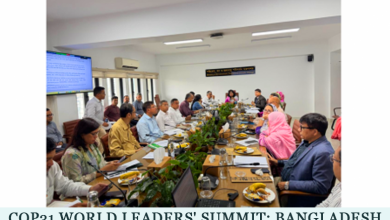
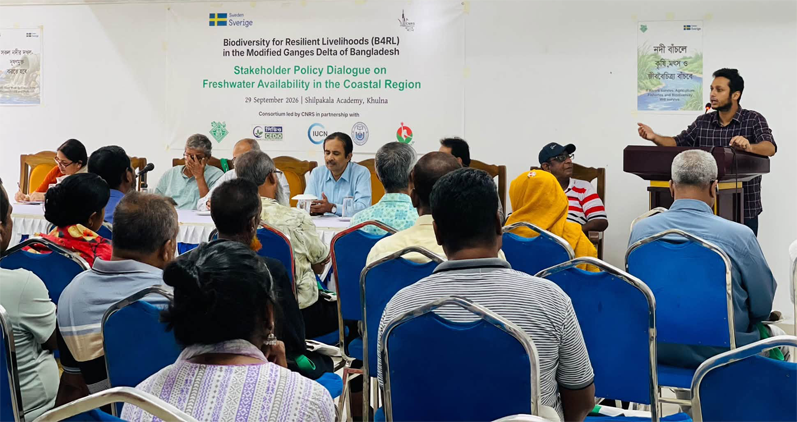
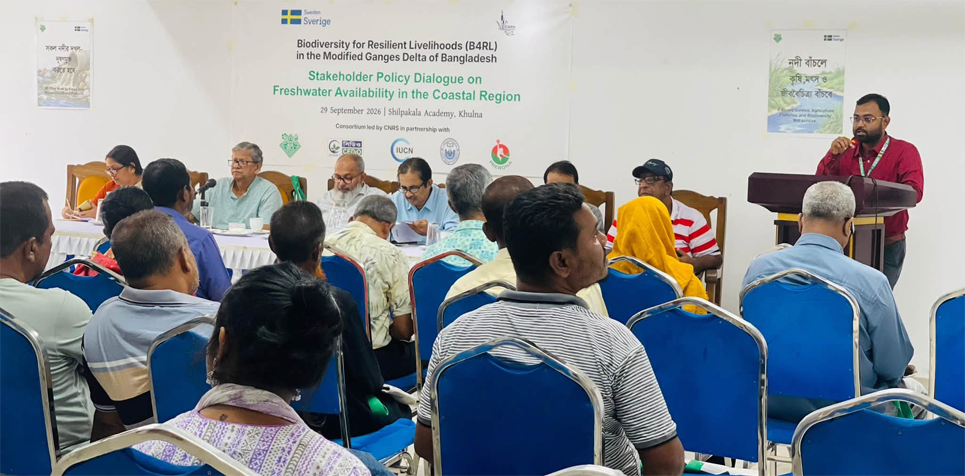
Khulna, Bangladesh: The Bangladesh Environmental Lawyers Association (BELA) has hosted a two-day Environmental and Environmental Law Fair and a Stakeholder Policy Dialogue on freshwater availability in coastal regions. The event took place at Khulna ShilpaKala Academy under the B4RL Project. It moved from public exhibition on the first day to community testimony on the second, with the aim of carrying coastal experiences into policy discussions.
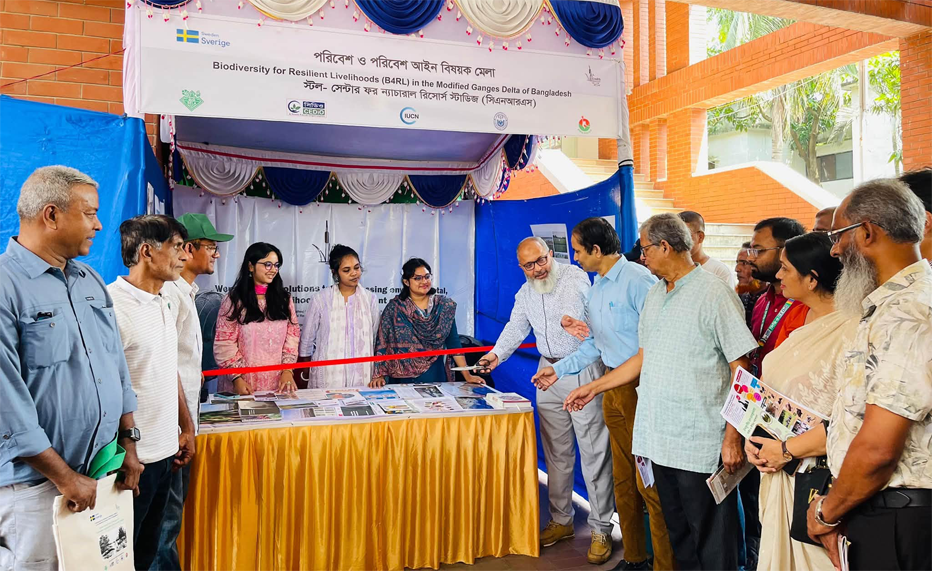
Day One: Environmental Fair Showcases Partner Work
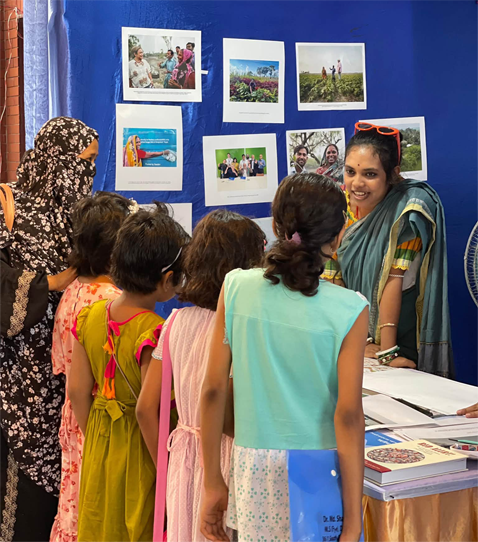
The first day was given over to the Environmental Fair. Partner organisations CNRS, CEDIO, IUCN and PRERONA set up stalls to present their initiatives and project activities. Visitors could explore the exhibits and learn about environmental action and environmental law.
The fair gave the public a direct view of work that is usually reported only through project documents. It also put the partner organisations in one space, making it easier for visitors to see how their efforts connect.
Day Two: Stakeholder Policy Dialogue on Freshwater
The second day shifted from showcasing initiatives to listening to the people most affected by freshwater shortages. At the Policy Dialogue, coastal community members described their everyday experiences of scarcity, the difficulties they face and what they expect from policies and institutions.
Imran Ahmed, Conservator of Forests for the Khulna Region, attended as Chief Guest.
Why Freshwater Matters in Coastal Bangladesh
Freshwater access is a long-running concern in Bangladesh’s southwest. Research on the region describes rising salinity, declining freshwater availability and climate hazards as interacting pressures on Khulna and the neighbouring Sundarbans area. Studies of coastal Bangladesh link rising sea levels and stronger cyclones to worsening salinity, which threatens freshwater availability and public health. Hearing communities directly gives policymakers evidence from daily life alongside technical data.
About the B4RL Project
B4RL stands for Biodiversity for Resilient Livelihoods. The five-year initiative is funded by the Embassy of Sweden and led by CNRS, in partnership with BELA, NSU, IUCN, PRERONA and CEDIO. It aims to strengthen the climate resilience of vulnerable coastal communities through restored wetlands, better water access, sustainable agriculture and local leadership.
BELA’s role in the partnership fits its wider mandate. The association promotes environmental justice, advocates for stronger environmental laws and policies, and provides legal assistance to people facing environmental problems. The Khulna event applies that approach by pairing public awareness of environmental law with a structured space for community input.
Key Takeaways
- The event ran over two days at Khulna ShilpaKala Academy under the B4RL Project.
- Day one featured stalls from CNRS, CEDIO, IUCN and PRERONA.
- Day two centred on a policy dialogue where coastal residents described freshwater scarcity and their expectations of institutions.
- A senior forest official from the Khulna Region attended as Chief Guest.

BELA’s two-day Khulna fair and policy dialogue under the B4RL project brought coastal communities’ freshwater scarcity concerns to policymakers.
Conclusion
The Khulna programme reflects a shift from project showcasing to participatory policymaking. By giving coastal residents a direct platform, BELA and its partners place lived experience of water scarcity next to institutional decision-making. The presence of a regional forest official signals that government is willing to listen, though the dialogue alone does not change policy.
Way Forward
The next step is turning the dialogue’s findings into concrete recommendations. Organisers can document community demands, share them with relevant government agencies and track whether they appear in local and national water and climate planning. Regular follow-up dialogues in other coastal districts would help keep communities involved. Partners could also publish a short summary report so that the commitments made are visible and can be checked over time.