
Simi Kamal to Moderate at International Conference on Sustainable Futures 2026 in Islamabad
Simi Kamal of Hisaar Foundation joins IC-SF 2026 as moderator on water, food security and rural resilience, 2–3 December at Serena Hotel, Islamabad.
ISLAMABAD, 25 November 2026 – Ms. Simi Kamal, CEO of the Hisaar Foundation and Director of Khushhali Microfinance Bank, will serve as a moderator at the International Conference on Sustainable Futures (IC-SF) 2026. The organisers announced her participation a week before the two-day gathering opens in Islamabad.
Who is moderating, and what she will bring
The organisers describe Ms. Kamal’s expertise as spanning water governance, women’s empowerment and sustainable development. They say her experience will add depth and perspective to discussions on:
- water and food security
- sanitation
- ecosystem sustainability
- resilient rural livelihoods
The conference’s organisers said they were honoured to have her join the international gathering. A moderator’s role at such events matters: it shapes how experts, policymakers and practitioners engage with one another, and it helps turn separate presentations into a coherent conversation.
Event details
- Dates: 2–3 December 2026
- Venue: Serena Hotel, Islamabad
- Website: www.caf.org.pk
The conference tagline sums up its focus: securing water, sustaining food systems and empowering communities.
Background: who is behind IC-SF 2026
The Institute of Rural Management (IRM) is organising the two-day conference in collaboration with the Climate Action Forum (CAF), the International Union for Conservation of Nature (IUCN), the National Disaster Risk Management Fund (NDRMF) and UNICEF.
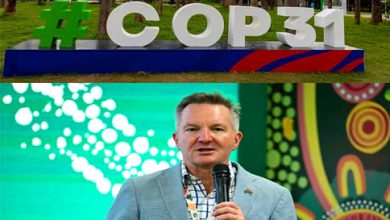
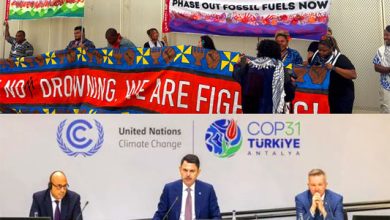
The timing is deliberate. Scheduled to follow COP31, IC-SF 2026 is meant to connect global climate commitments with national priorities and turn international ambitions into practical action. COP31 was held in Antalya, Türkiye, from 9 to 20 November 2026, so the Islamabad meeting gives Pakistani and regional stakeholders an early chance to ask what those negotiations mean at home.
Why water, food and rural livelihoods belong together
The conference’s themes reflect how closely linked these issues are, particularly in Pakistan. Farming households depend on reliable water for crops and livestock, while clean water and sanitation underpin health, school attendance and productivity. When floods, droughts or degraded ecosystems disrupt water supplies, the effects ripple through food production and household incomes, and women and children often carry the heaviest burden.
That is why a moderator with a background in both water governance and community finance is a natural fit. Microfinance institutions and community organisations are often the channels through which rural households access credit, training and resilience-building services. Ms. Kamal’s two roles, one in a foundation and one on the board of a microfinance bank, point to the intersection the conference wants to explore: how governance, finance and community action can work together.
Women’s empowerment is a particular thread. Women play a central role in managing household water, producing food and sustaining rural livelihoods, yet they often have less access to land, finance and decision-making forums. Bringing a moderator who has focused on this issue to the stage signals that the organisers want gender perspectives to shape the discussion rather than sit at its margins.
Why it matters
Pakistan is among the countries most exposed to climate-related risks, including floods, heatwaves, water stress and pressure on agriculture. International conferences can feel distant from those realities. IC-SF 2026 sets out to close that gap by gathering researchers, development partners, disaster-risk and conservation bodies and children’s advocates in one forum, and by tying the discussion to the outcomes of COP31.
The partners in the organising group also reflect the breadth of the agenda. A rural management institute, a climate forum, a global conservation union, a national disaster risk fund and a UN children’s agency each approach sustainability from a different angle. Putting them in the same room increases the chance of practical collaboration, from ecosystem protection to disaster financing to child-focused resilience.
Conclusion
The announcement that Ms. Simi Kamal will moderate adds experience in water governance, women’s empowerment and sustainable development to the IC-SF 2026 programme. With the conference opening on 2 December at Serena Hotel in Islamabad, attention will turn to whether the discussions on water and food security, sanitation, ecosystems and rural livelihoods can produce concrete ideas for local action. Interested participants can find details at www.caf.org.pk.