
COP31 Draft Proposes $120 Billion Adaptation Finance and an Antalya-to-Addis Ababa Roadmap
COP31's draft proposes at least $120 billion a year in adaptation finance by 2035 and an Antalya-to-Addis Ababa roadmap. Advocates want grants and timelines.
COP31 Draft Proposes $120 Billion Adaptation Finance and an Antalya-to-Addis Ababa Roadmap
Developing countries have a concrete number to argue over at COP31. The presidency’s first draft of the cover decision, dated 16 November, proposes raising adaptation finance to at least $120 billion by 2035, alongside accelerated action to phase out fossil fuels. It also proposes an Antalya-to-Addis Ababa roadmap to identify predictable public funding for adaptation and loss and damage.
What the draft proposes
The roadmap’s name points to COP32, which is set to be held in Addis Ababa, Ethiopia. The idea is that finance would be mapped between this summit and the next, so that money is identified before the next round of talks. The draft describes the aim as predictable public funding, which developing countries have long said they lack. The draft also describes the $120 billion goal as a tripling of adaptation finance.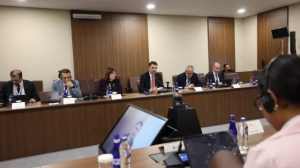
Developing-country reaction
Bangladeshi climate advocates welcomed key proposals but warned that delivery will depend on public grants, clear timelines and firm obligations for developed countries. Md Shamsuddoha of the Centre for Participatory Research and Development said the Belém outcome had raised expectations that Antalya would turn decisions on finance, adaptation indicators and a just transition mechanism into arrangements countries could implement. Lawmakers also urged countries to make the Belém-Antalya Mechanism for a just transition fully operational by COP32.
The emphasis on grants matters. Adaptation projects such as flood defences or early warning rarely generate revenue, so loans can add to debt burdens that vulnerable countries already carry. That is why campaigners press for public grants instead of private or loan-based finance.
Background: the finance fight
The proposal comes after an opening-day dispute over whether finance would be on the agenda and warnings that there is little political will for new pledges. UN Secretary-General António Guterres has also urged developed countries to deliver at least $300 billion a year by 2035 and set out plans to at least triple adaptation finance. The draft’s number echoes that call. The draft also calls for developed countries to lead on climate action, which sets up a debate about who pays.
A figure of $120 billion by 2035 is also a statement about timing. Critics say a 2035 target leaves vulnerable countries waiting a decade while climate impacts grow, and they will likely push for interim milestones.
What stands in the way
Observers note that the draft lacks binding commitments. A cover decision usually sets direction, and the numbers still need to be agreed in the technical decisions on finance and adaptation. Developed countries have so far resisted new quantified pledges, and consensus requires every party to accept the text. Bowen has said there are elements in the draft that not all parties will agree on.
Why it matters
Adaptation finance has a large gap between needs and flows. For farmers, cities and coastal communities, it pays for early warning, resilient water supply, drought-tolerant crops and flood protection. Without predictable money, projects stall between pledges and delivery. A roadmap that identifies funding sources before COP32 would help countries plan, and it would give civil society a benchmark to check.
What to watch
Four things will show whether the proposal survives. First, whether $120 billion stays in the text or is softened to a range or a “call.” Second, whether the roadmap names public grants and timelines or remains general. Third, how the just transition mechanism is handled, since lawmakers want it operational by COP32. Fourth, whether any developed country signals support publicly before the final plenary. COP31 is scheduled to end on 20 November.
Conclusion
The adaptation finance proposal gives COP31 a clear number and a path to COP32, and it has been welcomed by developing-country advocates with conditions. The conditions are the real test: grants, timelines and firm obligations. With four days left, the question is whether wealthy countries accept a text that puts those in writing.