

Guterres at COP31: Climate Crisis “Outrunning Us,” Calls for Climate Justice Compact
At COP31's Leaders' Summit, Guterres said overshoot above 1.5°C is inevitable, urged an end to fossil fuels and proposed a four-pillar Climate Justice Compact.
Guterres at COP31: Climate Crisis Is “Outrunning Us,” UN Chief Proposes Climate Justice Compact
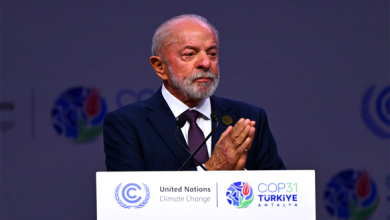
UN Secretary-General António Guterres told world leaders at the COP31 Leaders’ Summit in Antalya on 11 November that the climate crisis is outrunning the world’s response. In what he said will be his last climate summit as Secretary-General, he called for a new Climate Justice Compact and for an end to fossil fuel dependence. He said his term ends this year and that he will keep telling the truth about climate change after that.
A blunt assessment
Guterres said emissions in 2025 reached all-time highs, the last four years were the hottest on record, and that science now shows an overshoot above 1.5°C is inevitable. He stressed that science is not telling the world to surrender, and that the size and length of the overshoot are still in human hands. He warned that current national plans, even if fully implemented, would leave the world above 2.5°C by the end of the century, and that global emissions must fall about 6 percent a year.
Three lessons from the past decade
He framed his speech around three lessons. First, exponential change is possible: solar met nearly three-quarters of the growth in global electricity demand last year, and electric cars are on course to make up nearly one in three sales this year. Second, the case for fossil fuels is collapsing, as three-quarters of humanity lives in countries that import them and are exposed to price shocks. Third, the world is moving far too slowly.
AFP reported that he railed against the oil and gas lobby, telling leaders that fossil fuels must go the way of the dinosaurs. The theme was fossil-fuel influence on policy, which he said works by distorting science and delaying action.
The four pillars of the Climate Justice Compact
Guterres proposed a Climate Justice Compact based on shared responsibility, shared security and shared benefits, resting on four pillars:
- A just transition away from fossil fuels. He called for credible national roadmaps, no new coal, no new oil and gas infrastructure that puts 1.5°C further out of reach, and a tripling of renewable capacity by 2035 with unabated coal power cut by at least 75 percent, citing the UNEP Emissions Gap report.
- Protecting people. A new generation of national adaptation plans, an early warning system covering every person, and swift, accessible support for loss and damage.
- Adequate, affordable finance. Developed countries should lead in delivering at least $300 billion a year by 2035 and set out plans to at least triple adaptation finance by then, with the $1.3 trillion goal turned into real flows.
- Cooperation over fragmentation. He warned that trade barriers, technology monopolies and geopolitical rivalry make the transition costlier and slower.
Taxing windfall profits
The most pointed proposal concerned who pays. He said the nine largest oil companies made $95 billion in profits in the last quarter alone, while the Loss and Damage Fund has received around $600 million, which he said the companies earn in about 14 hours. He urged governments to tax these windfall profits to help vulnerable countries recover.
Background: why the justice framing
Guterres noted that emerging and developing economies outside China hold nearly two-thirds of humanity but receive less than one-fifth of global clean-energy investment, and most pay two to three times more to borrow. That argument links finance directly to emissions: if clean energy is unaffordable, fossil fuels fill the gap. It also reflects the finance dispute that opened COP31.
What to watch
The speech is a call, not a negotiating text, so the question is what reaches the draft decisions. Watch whether the presidency-led decision refers to a fossil fuel transition roadmap, whether windfall taxes appear in any text, and how developed countries respond to the $300 billion and adaptation tripling targets. None of these is guaranteed, and the US has sent no administration officials to the summit.
Conclusion
Guterres used his final climate summit to set out a stark diagnosis and a four-pillar plan that puts justice and finance at the centre. Whether governments adopt any of it will be settled in the negotiating rooms over the next eight days, where adaptation finance is already a point of dispute.