
COP31 Presidency Opens London Climate Action Week With Push for Global Electrification
COP31 President-Designate Murat Kurum launched a "35x35" electrification target at London Climate Action Week, backed by the IEA, IRENA and the Global Renewables Alliance.
COP31 Presidency Opens London Climate Action Week With Call to Accelerate Electrification
Electrification takes center stage as the road to Antalya runs through London, with COP31 President-Designate Murat Kurum calling on governments and businesses to accelerate the shift to electric power, cut waste, and deliver on climate finance commitments.
LONDON, June 22, 2026 — COP31 President-Designate Murat Kurum opened London Climate Action Week (LCAW) with a call for governments and businesses to accelerate the electrification of the global economy, reduce waste, and deliver on climate finance commitments in order to keep the goals of the Paris Agreement within reach.
Electrification as a Climate and Affordability Strategy
Electrification — the shift from fossil-fuel-powered systems to electricity-based alternatives across transportation, buildings, and industry — has increasingly become a central pillar of global climate strategy in recent years. Unlike some decarbonization pathways that depend on emerging or unproven technologies, electrification paired with clean power generation is widely regarded by energy agencies as one of the most immediately scalable routes to cutting emissions across multiple sectors simultaneously.
The push also carries an economic dimension. Volatile fossil fuel prices have exposed households and businesses worldwide to significant energy cost swings in recent years, particularly following global supply disruptions earlier in the decade. Proponents of electrification argue that shifting demand toward electricity, especially when sourced from renewables, can help insulate consumers from these price shocks over the long term, tying the climate agenda more directly to everyday affordability concerns — a connection that has become increasingly central to how governments frame climate policy to the public.
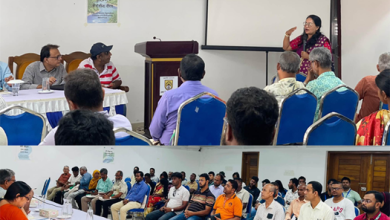
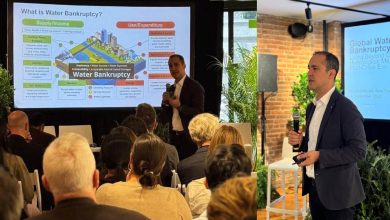
This dual framing was central to Kurum’s remarks in London. Speaking at the Climate Innovation Forum at the start of London Climate Action Week, the COP31 President-Designate — who also serves as Türkiye’s Minister of Environment, Urbanization and Climate Change — said electrification must become a central pillar of the global response to both climate change and the ongoing energy-affordability crisis, stressing the need to help households and businesses reduce their exposure to volatile prices.
The “35×35” Target
At the center of Kurum’s remarks was the COP31 Presidency’s proposed “35×35” target, which aims to accelerate electrification across transportation, buildings, and industry. The target calls for 35% of global final energy consumption to be met by electricity by 2035, up from just over 20% today — a substantial jump that would require sustained investment in both electricity generation and the infrastructure needed to deliver it.
The 35×35 target sits alongside several other thematic priorities the COP31 Presidency has set for the upcoming UN Climate Summit in Antalya this November, including reducing waste, improving circular economy practices, building resilient cities, delivering on climate finance commitments, and raising global climate literacy.
According to Kurum, the electrification target has already gained support from a range of countries, international organizations, and coalitions, including the International Energy Agency (IEA), the International Renewable Energy Agency (IRENA), and the Global Renewables Alliance. He also pointed to the first Global Stocktake, concluded at COP28 in Dubai, which established that growth in electricity demand should be met with clean energy supplies — underscoring that electrification and renewable energy expansion need to advance together to deliver a secure and sustainable energy future.
Climate Finance in Focus
Kurum also underscored the importance of ensuring developing countries can access the finance needed to support the broader energy transformation. He referenced the Baku Finance Goal, under which countries agreed in 2024 to collectively mobilize at least $300 billion annually by 2035, and said the incoming COP31 Presidency would work to keep that commitment on the international agenda, calling on donor countries to deliver their pledged contributions.
Beyond the electrification target, the Presidency is also building support for a set of related 2035 goals, including halving the growth in global waste production, reducing energy consumption intensity in the building sector by at least 25%, and achieving a recycled-materials usage rate of at least 15% across production and manufacturing sectors.
A Packed Week of Engagements
Throughout London Climate Action Week, the incoming COP31 Presidency is working to build support for its wider Action Agenda and deepen partnerships across the international climate community. Key engagements during the week include the international launch of the COP31 Business Forum, organized by the Union of Chambers and Commodity Exchanges of Türkiye (TOBB), which has been appointed as the COP31 Private Sector Envoy. The Forum is intended to serve as a year-long platform mobilizing business engagement ahead of the COP31 Business Summit in Antalya.
The week also features the COP31–IEA High-Level Dialogue on the Energy Transition, where the Presidency and the IEA will work to build international consensus on global energy transition priorities. The Presidency has separately commissioned the IEA to prepare new analytical reports on electrification and waste management to inform negotiations ahead of the Antalya summit.
Additional engagements include the Global Energy Transition and Electrification Summit, bringing together governments and senior industry leaders to build momentum behind the electrification target and the broader clean energy transition, as well as an audience with King Charles III to discuss preparations and priorities for COP31.
Setting the Stage for Antalya
By opening London Climate Action Week with a focused push on electrification, the COP31 Presidency is signaling which issues it intends to prioritize when formal negotiations open in Antalya this November. With backing already secured from major energy agencies and industry coalitions, the coming months are likely to see continued diplomatic efforts to build broader political and financial support for the 35×35 target — and for the wider Action Agenda Kurum has outlined ahead of the summit.
Source: COP31 Presidency; London Climate Action Week.