

Pakistan Climate Prosperity Plan Launches Powerful Green Growth Strategy for Economic Resilience
Pakistan Climate Prosperity Plan aims to unlock $1.6 trillion in green investments by 2050 through renewable energy, climate-smart agriculture, and resilient infrastructure.
Pakistan Climate Prosperity Plan has officially been launched by the government as a transformative national strategy aimed at converting climate vulnerability into long-term economic opportunity.
The ambitious multi-phase initiative, unveiled by the Finance Division in Islamabad, projects investments of up to $1.6 trillion by 2050. The plan seeks to align climate action with economic growth while strengthening resilience against floods, droughts, and rising temperatures.
Officials describe the initiative as a major step toward positioning Pakistan among emerging climate-smart economies capable of balancing sustainable development with economic competitiveness.
What Is the Pakistan Climate Prosperity Plan?
The Pakistan Climate Prosperity Plan (CPP) is a comprehensive climate and economic framework designed to integrate environmental sustainability into national development policies.
According to the Finance Division, the strategy aims to:
- Accelerate renewable energy development
- Promote climate-smart agriculture
- Build resilient infrastructure
- Expand green industrial growth
- Improve financial access for vulnerable communities
The plan combines climate adaptation with investment-driven growth to reduce economic losses from environmental disasters.
Why the Pakistan Climate Prosperity Plan Is Critical
The launch comes at a time when Pakistan faces escalating climate threats.
The plan references projections from the World Bank warning that Pakistan’s GDP could decline by 18–20 percent by 2050 if current warming trends continue.
Pakistan has already experienced:
- Catastrophic floods
- Record-breaking heatwaves
- Severe drought conditions
- Agricultural disruptions
These climate shocks have strained public finances and increased pressure on infrastructure and food systems.
Pakistan Climate Prosperity Plan Focuses on Green Growth
The Pakistan Climate Prosperity Plan aims to create sustainable economic growth through environmentally responsible investments.
Key Growth Areas Include:
- Renewable energy expansion
- Green industrial development
- Climate-resilient urban planning
- Circular economy initiatives
- Sustainable agriculture systems
The government believes climate resilience and economic prosperity must move together rather than separately.
Core Pillars of the CPP Strategy
The plan is structured around three major pillars.
1. Green Economic Modelling (GEM-CPP)
This component integrates climate and socio-economic outcomes into policymaking.
It will help authorities:
- Forecast economic climate impacts
- Set policy targets
- Align development goals with resilience planning
2. Value-Adding Development Projects
The government plans to launch flagship projects that improve export competitiveness while encouraging sustainable growth.
3. Investment and Risk-Mitigation Mechanisms
Dedicated financing structures are designed to:
- Reduce investment risks
- Lower transaction costs
- Attract private capital
These measures are expected to unlock new domestic and international funding sources.
Renewable Energy and Climate-Smart Agriculture
The Pakistan Climate Prosperity Plan strongly emphasizes clean energy and sustainable agriculture.
Renewable Energy Expansion
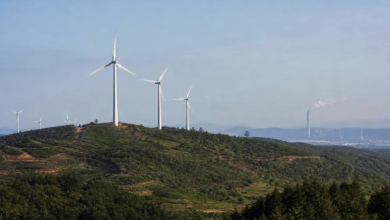
The government plans to increase renewable energy capacity to reduce dependence on fossil fuels and lower carbon emissions.
Climate-Smart Agriculture
Agriculture remains highly vulnerable to climate change in Pakistan. The CPP promotes:
- Efficient irrigation systems
- Drought-resistant crops
- Sustainable farming methods
These measures aim to improve food security while protecting rural livelihoods.
Massive Climate Financing Goals
According to official estimates, Pakistan will require nearly $65 billion annually to meet its climate and development ambitions.
The CPP outlines:
- $565.7 billion projected investments by 2035
- $1.6 trillion investment flows by 2050
This financing strategy aligns closely with Pakistan’s commitments under the Nationally Determined Contributions (NDCs) framework.
Role of Provinces, Private Sector, and Civil Society
Implementation of the Pakistan Climate Prosperity Plan will be coordinated through a national “country platform” led by the Ministry of Finance.
The initiative involves collaboration among:
- Provincial governments
- Climate authorities
- Planning institutions
- Private investors
- Civil society organizations
Authorities believe strong coordination is essential for successful implementation.
Initial Pipeline of Major Projects
To kick-start execution, the government has identified:
- 69 initial projects
- Total value of $4.87 billion
These projects are expected to:
- Create jobs
- Attract foreign investment
- Strengthen infrastructure resilience
The focus will remain on scalable and bankable projects capable of generating long-term returns.
Climate Risks Continue to Threaten Pakistan
Pakistan remains one of the world’s most climate-vulnerable countries despite contributing less than 1 percent to global emissions.
Recent environmental disasters have caused:
- Economic instability
- Population displacement
- Agricultural losses
- Infrastructure destruction
The Pakistan Climate Prosperity Plan seeks to reduce these risks through proactive adaptation and resilience-building measures.
Economic Opportunities Under the Pakistan Climate Prosperity Plan
The government believes the CPP could transform climate challenges into economic opportunities.
Potential Benefits Include:
- Increased foreign investment
- Export growth
- Green job creation
- Improved energy security
- Enhanced climate resilience
The strategy positions Pakistan as a future climate-smart investment destination in South Asia.
Challenges Facing the CPP
Despite the ambitious vision, experts warn that execution will determine success.
Key Challenges Include:
- Maintaining policy continuity
- Building investor confidence
- Securing international financing
- Improving institutional capacity
- Ensuring federal-provincial coordination
Without consistent implementation, the plan could face delays and funding constraints.
Conclusion
The launch of the Pakistan Climate Prosperity Plan marks a significant and potentially transformative step toward climate-resilient economic development.
By combining renewable energy expansion, sustainable agriculture, green investment strategies, and institutional reform, the government hopes to unlock up to $1.6 trillion in climate-focused investments by 2050.
However, the success of the plan will depend heavily on effective implementation, sustained political commitment, and timely financial mobilization from both domestic and international partners.
As climate risks intensify globally, the Pakistan Climate Prosperity Plan could become a defining blueprint for balancing environmental resilience with economic growth in the developing world.
External Resources
- Learn more about climate finance:
https://www.worldbank.org/en/topic/climatechange - United Nations climate initiatives:
https://unfccc.int