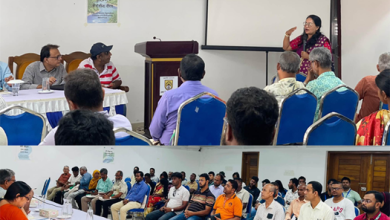

Pakistan-China Rainwater Harvesting Solutions: 7 Smart Ways to Tackle Water Crisis
Pakistan-China rainwater harvesting solutions offer innovative ways to manage monsoon water, reduce flooding, and improve water sustainability across urban and rural areas.
Pakistan-China rainwater harvesting solutions are emerging as a powerful strategy to address Pakistan’s growing water crisis, especially as the country prepares for the monsoon season. With climate change intensifying rainfall variability, both nations are exploring innovative methods to collect, store, and reuse rainwater efficiently.
China’s proven expertise in water management offers practical lessons for Pakistan to enhance urban resilience, secure drinking water supplies, and restore ecological balance.
Pakistan-China Rainwater Harvesting Solutions Gain Momentum
The collaboration between Pakistan and China in water resource management highlights the importance of sustainable rainwater harvesting systems. Pakistan, facing increasing water scarcity and urban flooding, can greatly benefit from China’s advanced practices.
Chinese cities and rural communities have successfully implemented rainwater collection systems that not only reduce flooding but also ensure efficient water reuse. These systems provide a roadmap for Pakistan to optimize its water resources.
For more insights on water management, visit the International Water Management Institute.
China’s Sponge City Model: A Game Changer
One of the most innovative approaches under Pakistan-China rainwater harvesting solutions is China’s “Sponge City” concept. This model focuses on absorbing, storing, and reusing rainwater within urban environments.
Key Features of Sponge Cities:
- Permeable Pavements: Allow water to seep into the ground
- Green Roofs: Reduce runoff and improve insulation
- Urban Wetlands: Act as natural water storage systems
- Underground Reservoirs: Store excess rainwater for reuse
Cities across China have adopted this approach to mitigate flooding and improve water sustainability.
Learn more about urban water resilience through the UN Habitat Water Programs.
Rural Innovations and Terrain-Specific Techniques
Beyond cities, China has implemented terrain-specific rainwater harvesting techniques in rural and mountainous regions.
Examples:
- Gansu Province: Uses tanks and terraces for irrigation and drinking water
- Lhasa Region: Adopts high-altitude water storage systems
- Guangxi Province: Employs micro-catchments for efficient rainwater collection
These approaches ensure water availability even in challenging landscapes, offering valuable lessons for Pakistan’s diverse geography.
Expert Insights from Pakistan
Pakistani experts strongly support adopting Pakistan-China rainwater harvesting solutions to tackle the country’s water challenges.
According to Muhammad Ashraf from the International Water Management Institute, implementing similar systems in Pakistan can:
- Reduce urban flooding
- Recharge underground aquifers
- Improve water availability during dry periods
Experts emphasize that integrating modern infrastructure with traditional practices can create a holistic water management system.
Local Success Stories and Community Initiatives
Pakistan has already witnessed encouraging results from grassroots initiatives.
Community-driven efforts, such as those led by Teacher Usman, have demonstrated the effectiveness of:
- Rainwater ponds
- Recharge wells
- Small-scale storage systems
These initiatives show that even simple, low-cost solutions can significantly improve water availability and reduce dependency on external sources.
Such examples highlight the importance of community participation in scaling up Pakistan-China rainwater harvesting solutions nationwide.
Policy Reforms and Government Strategies
At the policy level, Pakistan is taking steps to institutionalize rainwater harvesting practices.
Key Developments:
- Introduction of Green Building Code
- Implementation of Rainwater Harvesting Code
- Punjab government’s plan to construct 358 underground water tanks and recharge wells
These measures aim to integrate rainwater harvesting into urban planning and infrastructure development.
For official updates, visit the Pakistan Ministry of Climate Change.
Climate Resilience and Future Outlook
With climate change intensifying extreme weather patterns, Pakistan-China rainwater harvesting solutions offer a sustainable pathway toward resilience.
Key Benefits:
- Flood Mitigation: Reduces pressure on drainage systems
- Water Security: Ensures availability during droughts
- Environmental Protection: Supports ecosystems and biodiversity
- Economic Efficiency: Lowers water management costs
By combining large-scale infrastructure with community-level initiatives, Pakistan can create a comprehensive water management strategy.
Conclusion
The growing collaboration between Pakistan and China in rainwater harvesting marks a promising step toward sustainable water management. By adopting China’s proven techniques—such as sponge cities, rural water systems, and terrain-specific solutions—Pakistan can effectively tackle its water crisis.
The success of this initiative will depend on strong policy implementation, technological integration, and active community participation. If executed effectively, Pakistan-China rainwater harvesting solutions could transform the country’s approach to water management, ensuring a resilient and sustainable future.