
Pakistan-China Institute Signs Groundbreaking MoU on Green Development — A Powerful Step Toward Sustainable Future
The Pakistan-China Institute has signed a historic Green Development MoU with China’s BRIGC, marking a powerful step toward sustainable energy, low-carbon transport, and environmental cooperation under the Belt and Road Initiative.
The Pakistan-China Institute Green Development MoU marks a groundbreaking moment in Pakistan’s journey toward environmental sustainability and low-carbon growth. As climate challenges intensify globally, this partnership with China’s Belt and Road Initiative Green Development Coalition (BRIGC) signals Pakistan’s deep commitment to green innovation and sustainable progress.
Focus Keyword: Pakistan-China Institute Green Development MoU Explained
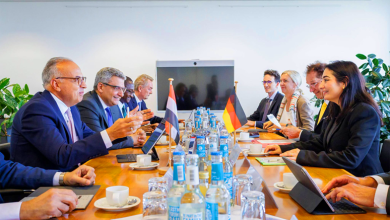
The Pakistan-China Institute Green Development MoU was signed in Beijing, representing the first-ever agreement between BRIGC and a Pakistani institution. It serves as a foundation for long-term cooperation in green energy, low-carbon transport, climate research, and sustainable development.
This collaboration aims to support both nations’ goals under the Belt and Road Initiative (BRI) — particularly in promoting eco-friendly infrastructure and low-emission growth.
Who Signed the MoU and What It Means
The MoU was officially signed by:
- Mustafa Hyder Sayed, Executive Director of the Pakistan-China Institute (PCI)
- Chen Gang, Secretary General of BRIGC
The ceremony was witnessed by:
- Dr Shezra Mansab Ali Kharal, Minister of State for Climate Change, Pakistan
- Zhao Yingmin, China’s former Vice Minister of Ecology and Environment
This signing solidifies a strategic partnership aimed at promoting joint research, policy recommendations, and knowledge exchange to accelerate sustainable growth in both nations.
Green Transition and Sustainable Development Goals
Under the Pakistan-China Institute Green Development MoU, both organizations will:
- Conduct joint research on low-carbon energy systems
- Host consultation workshops on sustainable urban mobility
- Publish research papers on climate policy and energy innovation
- Develop strategies for renewable energy promotion across BRI countries
This collaboration aligns with the UN Sustainable Development Goals (SDGs), particularly Goal 7 (Affordable and Clean Energy) and Goal 13 (Climate Action).
“This is not just an agreement—it’s a roadmap to a cleaner, greener, and more resilient Pakistan,” said an environmental analyst during the ceremony.
CPEC and the Green Revolution: A New Phase
The MoU also reinforces the second phase of the China-Pakistan Economic Corridor (CPEC), which prioritizes green, inclusive, and innovative projects.
According to Mustafa Hyder Sayed, the CPEC’s new growth phase will focus on green industrial parks, sustainable transport corridors, and renewable energy hubs—positioning Pakistan as a regional model for low-carbon development.
This partnership reflects a powerful shift from traditional energy dependence toward environmentally responsible growth, promoting innovation and long-term climate resilience.
Why This MoU Matters for Pakistan’s Climate Future
Pakistan remains one of the most climate-vulnerable countries in the world, facing rising temperatures, floods, and biodiversity loss.
The Pakistan-China Institute Green Development MoU provides a framework for action—helping Pakistan transition toward renewable energy sources, reduce carbon intensity, and strengthen climate governance.
By integrating Chinese expertise in green technologies with Pakistan’s climate policy framework, this collaboration will:
- Accelerate renewable adoption
- Improve urban air quality
- Promote eco-tourism and sustainable agriculture
Experts believe this MoU could become a blueprint for other developing nations under the Belt and Road Initiative (BRI) to pursue low-carbon partnerships.
Statements from Key Leaders
Mustafa Hyder Sayed, Executive Director of PCI, stated:
“This MoU comes at a defining moment for Pakistan’s climate diplomacy. It not only supports our national sustainability goals but also amplifies our voice in the global climate dialogue ahead of COP-30 in Brazil.”
Chen Gang, Secretary General of BRIGC, added:
“Our cooperation will empower both countries to lead the way in building a greener Belt and Road Initiative. Together, we can make green development a reality, not just a vision.”
Dr Shezra Mansab Ali Kharal, Pakistan’s Minister of State for Climate Change, remarked:
“This agreement highlights Pakistan’s growing leadership in environmental cooperation. It reflects the Prime Minister’s commitment to a climate-resilient Pakistan.”
Global Significance and Future Collaboration
This partnership between PCI and BRIGC underscores Pakistan’s rising profile in global green diplomacy. It also strengthens China’s commitment to promoting eco-friendly Belt and Road partnerships, setting an example for other BRI member countries.
The collaboration will also explore joint initiatives in:
- Carbon trading and green finance
- Climate-smart agriculture
- Renewable energy infrastructure
- Sustainable city planning
As both countries prepare for COP-30, this alliance reinforces their joint leadership in climate action and regional sustainability governance.
For more on Pakistan’s green partnerships, read our internal feature on CPEC’s Renewable Energy Vision.
For background on BRIGC’s work, visit BRIGC Official Website .
Conclusion: A Shared Vision for a Greener Tomorrow
The Pakistan-China Institute Green Development MoU is more than just a policy document—it’s a commitment to planetary health and a symbol of hope for sustainable development.
As Pakistan deepens its cooperation with China under the Belt and Road Initiative, this agreement will fuel innovation, investment, and environmental transformation.
In a world racing against climate change, this MoU stands as a powerful testament to what nations can achieve when they unite for a greener, cleaner, and more resilient future.