

Pakistan-Spain Climate Talks Highlight Indus Waters Treaty Concerns and Green Energy Cooperation
Pakistan Spain Climate Cooperation took center stage as Climate Minister Dr. Musadik Malik and Spain’s ambassador discussed climate change, the Indus Waters Treaty, renewable energy, and sustainable development initiatives in Pakistan.
Pakistan Spain Climate Cooperation entered a new phase as Federal Minister for Climate Change and Environmental Coordination Dr. Musadik Malik met Spanish Ambassador Carlos Aragón in Islamabad on June 10, 2026. The high-level meeting focused on climate change, energy security, geopolitical developments, renewable energy, and the future of international cooperation.
The discussions reflected growing concerns over climate vulnerabilities, water security challenges, and the importance of sustainable development in an increasingly uncertain global environment. Both sides explored opportunities to deepen bilateral collaboration in climate resilience, green technology, and environmental innovation.
Pakistan and Spain Discuss Climate Challenges
During the meeting, Dr. Musadik Malik and Ambassador Carlos Aragón exchanged views on several pressing regional and global issues. These included climate change impacts, energy security concerns, geopolitical uncertainties, and opportunities for cooperation in sustainable development.
The discussion underscored the growing importance of international partnerships in addressing environmental challenges. Both countries recognized that climate change has become one of the defining issues of the 21st century, requiring coordinated action and long-term planning.
Pakistan continues to face severe climate-related risks despite contributing less than one percent of global greenhouse gas emissions. Increasing floods, droughts, heatwaves, and glacier melting have highlighted the urgent need for climate adaptation measures.
Pakistan Spain Climate Cooperation and Indus Waters Treaty Concerns
A major focus of the meeting was the ongoing debate surrounding the Indus Waters Treaty.
Dr. Musadik Malik expressed concern over recent geopolitical developments affecting international agreements. He observed that the global system appears to be shifting from multilateral cooperation toward greater unilateral action.
According to the minister, if a long-standing international agreement such as the Indus Waters Treaty can be suspended or held in abeyance through unilateral decisions, it raises broader questions about the reliability of international commitments and treaty-based governance.
The Indus Waters Treaty, signed in 1960, has long been regarded as one of the world’s most successful water-sharing agreements. It has survived decades of political tensions and conflicts between Pakistan and India.
The minister emphasized that respect for international agreements remains essential for maintaining regional stability and fostering trust among nations.
Why the Treaty Matters
The Indus River system serves as the backbone of Pakistan’s agriculture and water security. Millions of farmers depend on predictable river flows for irrigation, food production, and livelihoods.
Any uncertainty regarding water-sharing arrangements has significant implications for:
- Agricultural productivity
- Food security
- Economic stability
- Water management planning
- Rural livelihoods
Pakistan has consistently advocated for the protection of treaty obligations and peaceful resolution of disputes through established legal mechanisms.
Climate Change Continues to Threaten Pakistan
The meeting also addressed the devastating impacts of climate change on Pakistan.
Dr. Musadik Malik highlighted the destruction caused by recent floods and extreme weather events across the country. He noted that changing weather patterns and increasing climate variability have introduced new uncertainties for policymakers and communities alike.
Pakistan has experienced:
- Record-breaking floods
- Intense heatwaves
- Glacial melting
- Water scarcity
- Erratic rainfall patterns
These climate-related challenges have placed enormous pressure on infrastructure, agriculture, public health systems, and disaster management agencies.
The minister stressed the importance of strengthening preparedness and preventive interventions to reduce future risks.
Lessons from Recent Floods
Recent flood disasters have demonstrated the need for:
- Improved early warning systems
- Climate-resilient infrastructure
- Better watershed management
- Enhanced disaster preparedness
- Stronger institutional coordination
Experts continue to warn that climate-related disasters could become more frequent and severe in the coming decades if adaptation measures are not accelerated.
Renewable Energy Emerges as a Strategic Priority
Another key topic discussed during the meeting was global energy security and the transition toward renewable energy.
Both sides acknowledged that recent geopolitical tensions have exposed vulnerabilities in traditional energy supply chains. The disruptions experienced in several regions have reinforced the need for cleaner and more diversified energy systems.
Green Energy Solutions Discussed
The discussions focused on expanding the use of:
- Solar energy
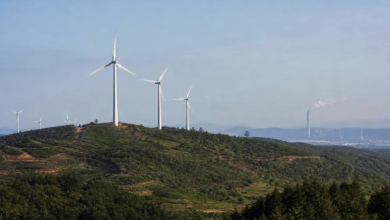
- Wind power
- Sustainable energy technologies
- Green infrastructure investments
Dr. Musadik Malik noted that renewable energy development remains essential for reducing dependence on fossil fuels while supporting climate mitigation goals.
The Spanish ambassador and Pakistani officials agreed that accelerating the transition toward renewable energy can strengthen economic resilience and environmental sustainability simultaneously.
Spain Praises -’s Natural Beauty
Ambassador Carlos Aragón shared impressions from his recent visit to Gilgit-Baltistan.
He praised the region’s:
- Stunning landscapes
- Rich cultural diversity
- Natural beauty
- Hospitality of local communities
Gilgit-Baltistan is increasingly recognized internationally for its glaciers, mountain ecosystems, biodiversity, and tourism potential.
The region also plays a crucial role in Pakistan’s climate resilience because it contains some of the world’s largest glacier systems outside the polar regions.
Protecting these fragile ecosystems has become a national priority as rising temperatures continue to accelerate glacier retreat.
Green University and Green Fields Initiatives Gain Attention
During the meeting, Dr. Musadik Malik briefed the Spanish ambassador on two innovative initiatives currently being developed by the Ministry of Climate Change and Environmental Coordination.
Green University Initiative
The Green University initiative aims to:
- Promote climate education
- Advance environmental research
- Encourage innovation
- Build future climate leadership
The program seeks to equip students and researchers with the knowledge needed to address emerging environmental challenges.
Green Fields Initiative
The Green Fields initiative is designed to support young entrepreneurs working on environmentally sustainable business ideas.
Key objectives include:
- Connecting green startups with investors
- Supporting climate innovation
- Scaling sustainable businesses
- Encouraging green economic growth
Both initiatives reflect Pakistan’s efforts to integrate environmental sustainability into education and economic development strategies.
Pakistan Spain Climate Cooperation Opens New Opportunities
The meeting highlighted significant potential for expanding Pakistan Spain Climate Cooperation in several areas.
Potential collaboration sectors include:
| Area | Cooperation Opportunities |
|---|---|
| Climate Research | Joint studies and innovation |
| Renewable Energy | Solar and wind projects |
| Education | Green University partnerships |
| Sustainable Development | Knowledge exchange programs |
| Climate Adaptation | Best practices and technical support |
| Entrepreneurship | Green startup development |
Both sides expressed interest in strengthening cooperation through technical partnerships, policy dialogue, and capacity-building initiatives.
Future Outlook
The meeting between Dr. Musadik Malik and Ambassador Carlos Aragón reflects the growing importance of international cooperation in addressing climate change, water security, and sustainable development challenges.
As climate risks continue to intensify globally, partnerships like Pakistan Spain Climate Cooperation can help build resilience, promote innovation, and support the transition toward a greener future.
The discussions also reinforced Pakistan’s position on the importance of protecting international agreements such as the Indus Waters Treaty while expanding efforts to strengthen renewable energy adoption and climate preparedness.
With initiatives like Green University and Green Fields under development, Pakistan aims to combine education, entrepreneurship, and environmental stewardship to create long-term solutions for climate resilience and sustainable growth.
External Resources
- United Nations Environment Programme (UNEP)
- United Nations Framework Convention on Climate Change (UNFCCC)
- International Renewable Energy Agency (IRENA)