Pakistan Climate Action Gains Momentum Through Inspiring World Environment Day Initiative
Pakistan Climate Action received a boost as SRSP and PPAF organized a World Environment Day event in Paroa, highlighting climate resilience, flood protection, environmental conservation, and community awareness.
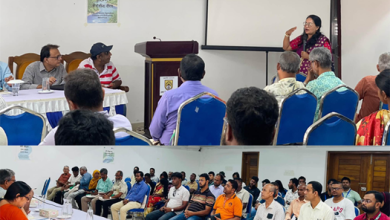
DERA ISMAIL KHAN: Pakistan Climate Action efforts received renewed attention as a special World Environment Day ceremony was organized in Juma Sharif village of Paroa tehsil under the joint auspices of the Sarhad Rural Support Programme (SRSP) and the Pakistan Poverty Alleviation Fund (PPAF).
The event brought together government officials, environmental experts, community leaders, and local residents to discuss environmental conservation, climate resilience, and sustainable development while emphasizing the urgent need for practical action against climate change.
A key highlight of the event was the inauguration of a flood-control embankment designed to protect vulnerable communities and agricultural lands from recurring flood threats, demonstrating how local-level climate adaptation initiatives can help strengthen resilience in disaster-prone regions.
Pakistan Climate Action Takes Center Stage
The World Environment Day ceremony highlighted the growing importance of Pakistan Climate Action amid increasing environmental challenges across the country.
The event was attended by District Monitoring Officer Zubair Khan as chief guest, alongside Environmental Officer Yousaf Malik, District Programme Manager Babar Qaiser Qureshi, community representatives, and local elders.
Participants discussed the importance of climate resilience, environmental sustainability, and community engagement in addressing climate-related threats.
The gathering served as a reminder that climate action is no longer optional but essential for protecting livelihoods, ecosystems, and future generations.
World Environment Day Event in Paroa
World Environment Day is observed globally every year on June 5 to encourage environmental awareness and action.
The ceremony in Juma Sharif village focused on:
- Environmental conservation
- Climate resilience
- Sustainable development
- Flood protection
- Community awareness
- Afforestation initiatives
Speakers emphasized that climate change is increasingly affecting communities throughout Pakistan and requires coordinated responses at local, national, and international levels.
The event also highlighted the role of grassroots organizations in strengthening environmental stewardship and disaster preparedness.
Officials Stress Urgent Climate Measures
Pakistan Climate Action Requires Immediate Attention
During their addresses, officials warned that the impacts of climate change are becoming more visible across Pakistan.
The speakers stressed that rising temperatures, irregular rainfall patterns, floods, and environmental degradation pose significant risks to communities and economic development.
They emphasized the need for:
- Timely environmental interventions
- Improved climate adaptation measures
- Community participation
- Sustainable resource management
- Increased environmental education
According to participants, practical actions taken today can significantly reduce future environmental and economic losses.
Growing Climate Challenges in Pakistan
Pakistan remains among the countries most vulnerable to climate change despite contributing a very small share of global greenhouse gas emissions.
The country faces multiple climate-related threats, including:
Floods
Frequent flooding continues to damage infrastructure, agriculture, and livelihoods across several provinces.
Heatwaves
Extreme temperatures are becoming increasingly common, especially during summer months.
Water Scarcity
Changing rainfall patterns and glacier melt are placing growing pressure on water resources.
Land Degradation
Deforestation and unsustainable land use practices are increasing environmental vulnerability.
Experts warn that these challenges will likely intensify unless effective adaptation and mitigation strategies are implemented.
Importance of Tree Plantation and Forest Protection
One of the central themes of the event was the importance of afforestation and forest conservation.
Speakers highlighted how trees play a crucial role in:
- Absorbing carbon dioxide
- Improving air quality
- Preventing soil erosion
- Conserving biodiversity
- Reducing flood risks
- Supporting climate resilience
Participants were encouraged to support large-scale tree plantation campaigns and help prevent unnecessary cutting of trees.
Environmental experts noted that restoring forest cover remains one of the most effective nature-based solutions for addressing climate change.
Flood-Control Embankment Inaugurated
Major Step for Community Climate Resilience
A significant feature of the event was the formal inauguration of a newly constructed flood-control embankment.
The embankment has been designed to protect:
- Juma Sharif village
- Nearby settlements
- Agricultural lands
- Community infrastructure
The project aims to reduce flood-related losses and improve disaster preparedness for local communities.
Officials described the embankment as a practical example of climate adaptation in action.
The infrastructure is expected to provide long-term protection against seasonal flooding while safeguarding livelihoods and food production.
Community Resilience Against Climate Risks
Building climate resilience at the community level remains essential for reducing vulnerability to environmental hazards.
Projects such as the flood-control embankment help communities:
| Climate Challenge | Resilience Benefit |
|---|---|
| Flooding | Reduced damage to homes and farms |
| Soil Erosion | Improved land protection |
| Crop Losses | Enhanced agricultural security |
| Community Safety | Better disaster preparedness |
| Infrastructure Damage | Increased protection |
Local adaptation measures can significantly reduce the social and economic impacts of climate-related disasters.
Environmental Awareness and Public Responsibility
Pakistan Climate Action Begins with Communities
Speakers repeatedly emphasized that environmental protection is a shared responsibility.
They urged citizens to adopt environmentally responsible behaviors such as:
- Planting trees
- Conserving water
- Reducing waste
- Preventing pollution
- Protecting natural resources
The event also focused on educating local residents about the long-term consequences of environmental degradation.
Participants were warned that failure to address environmental challenges today could place future generations at greater risk.
Role of SRSP and PPAF in Sustainable Development
The Sarhad Rural Support Programme (SRSP) and Pakistan Poverty Alleviation Fund (PPAF) have played an important role in promoting sustainable development initiatives across rural communities.
Their efforts focus on:
- Poverty reduction
- Community development
- Environmental protection
- Disaster risk reduction
- Livelihood improvement
The World Environment Day event demonstrated how development organizations can support climate resilience through practical community-based interventions.
By combining environmental awareness with infrastructure development, these organizations are helping communities adapt to climate-related challenges.
Climate Change and Pakistan’s Future
Pakistan’s climate future depends largely on the actions taken today.
Experts continue to warn that climate change could have serious implications for:
- Food security
- Water availability
- Public health
- Economic growth
- Rural livelihoods
Climate adaptation projects such as flood barriers, water conservation initiatives, and afforestation programs are becoming increasingly important.
Many experts believe that local resilience-building projects should be expanded across vulnerable regions to reduce future disaster risks.
Why Local Climate Action Matters
While global climate cooperation remains essential, local action often delivers the most immediate benefits.
Community-led environmental initiatives help:
- Strengthen resilience
- Raise public awareness
- Protect vulnerable populations
- Improve disaster preparedness
- Promote sustainable development
The Paroa event demonstrated how environmental awareness campaigns combined with practical infrastructure investments can produce meaningful results.
Such initiatives serve as important examples of how communities can contribute to broader national climate goals.
Conclusion
The World Environment Day event in Juma Sharif village showcased the growing importance of Pakistan Climate Action in addressing environmental challenges and strengthening community resilience.
Through awareness campaigns, tree plantation advocacy, and the inauguration of a flood-control embankment, the initiative highlighted practical solutions for reducing climate-related risks.
As Pakistan continues to face increasing environmental pressures, experts believe that community-based adaptation measures, environmental education, and sustainable development projects will play a critical role in building a safer and more climate-resilient future.