

Groundwater Crisis in Pakistan Sparks Alarming Warning from Experts
Groundwater Crisis in Pakistan worsens as experts warn of rapid depletion, urban pressure, and excessive agricultural use threatening water security nationwide.
Groundwater Crisis in Pakistan is rapidly intensifying, raising serious concerns among experts about the country’s water security. Excessive extraction for domestic, agricultural, and commercial use—combined with weak regulation—has pushed underground water reserves to dangerous levels.
At a recent policy dialogue, experts warned that without immediate action, Pakistan could face severe water shortages affecting millions of people.
Expert Warning on Groundwater Crisis in Pakistan
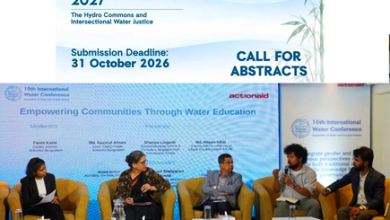
Speaking at a special session on water management organized by the Sustainable Development Policy Institute, renowned water expert Naseer Memon highlighted the urgency of the situation.
He described the Groundwater Crisis in Pakistan as a “serious cause of concern” that demands immediate attention from policymakers.
The session focused on sustainable water management strategies and the need for stronger governance to address the crisis.
Indus Basin Aquifer Under Severe Stress
One of the most alarming aspects of the Groundwater Crisis in Pakistan is the condition of the Indus Basin aquifer.
According to global assessments, this aquifer has been ranked as:
- The 2nd most over-stressed underground water reserve in the world
This means water is being extracted far faster than it can naturally recharge, putting long-term sustainability at risk.
External Resource:
Learn about global groundwater stress from
UN Water
Urban Growth Driving Water Depletion
Rapid urbanization is a major driver of the Groundwater Crisis in Pakistan.
Naseer Memon emphasized that:
- Pakistan’s urban population is growing exponentially
- Demand for water is increasing sharply
- Infrastructure is failing to keep pace
Cities are increasingly relying on groundwater due to insufficient surface water supply systems.
Alarming Statistics from Major Cities
The Groundwater Crisis in Pakistan is clearly visible in major urban centers:
Quetta
- Water table dropped from 50 meters (2000) to 150+ meters (2023)
Lahore
- Groundwater declining by 2.61 feet annually
Rawalpindi
- Water levels dropped by around 30 feet since 2013
Karachi
- Water supply: 650 million gallons/day
- Demand: 1,200+ million gallons/day
These figures highlight the widening gap between water supply and demand across Pakistan.
Agricultural Overuse of Groundwater
Agriculture is the largest contributor to the Groundwater Crisis in Pakistan.
Key Facts:
- Agriculture consumes over 90% of groundwater
- More than 60% of irrigation needs rely on groundwater pumping
The number of agricultural tubewells has surged dramatically:
- 1994: 334,000 tubewells
- 2024: Over 1.2 million tubewells
These tubewells collectively extract:
- More than 51 million acre-feet (MAF) of groundwater annually
This unsustainable extraction is depleting aquifers at an alarming rate.
Water Loss Through Leakage and Theft
Another major issue contributing to the Groundwater Crisis in Pakistan is water wastage.
Experts estimate that:
- 35% to 40% of piped water is lost
- Losses occur due to leakages and illegal connections
This inefficiency increases reliance on groundwater, further accelerating depletion.
External Resource:
Explore water efficiency solutions at
World Bank Water Resources
Policy Gaps and Governance Challenges
Despite the severity of the Groundwater Crisis in Pakistan, regulatory frameworks remain weak.
Key Challenges:
- Lack of strict laws on groundwater extraction
- Poor enforcement of existing policies
- Limited monitoring of water usage
- Absence of pricing mechanisms for groundwater
Experts stress the need for:
- Strong regulation of tubewell usage
- Improved water governance
- Investment in sustainable infrastructure
Future Risks to Water Security
If the Groundwater Crisis in Pakistan continues unchecked, the country could face severe consequences:
Potential Impacts:
- Acute water shortages
- Decline in agricultural productivity
- Food insecurity
- Urban water crises
- Economic instability
Water scarcity could also intensify social and regional inequalities.
Conclusion
The Groundwater Crisis in Pakistan represents one of the most pressing environmental and economic challenges facing the country today. With aquifers under extreme stress, urban demand rising, and agricultural overuse continuing unchecked, the situation is rapidly becoming unsustainable.
Experts like Naseer Memon warn that immediate policy action, improved governance, and public awareness are essential to prevent a full-scale water crisis.
Without decisive intervention, Pakistan risks exhausting one of its most vital natural resources—putting millions of lives, livelihoods, and the future of the nation at stake.