
Fresh Landslides, Floods Batter Nepal Amid Heavy Monsoon Rain
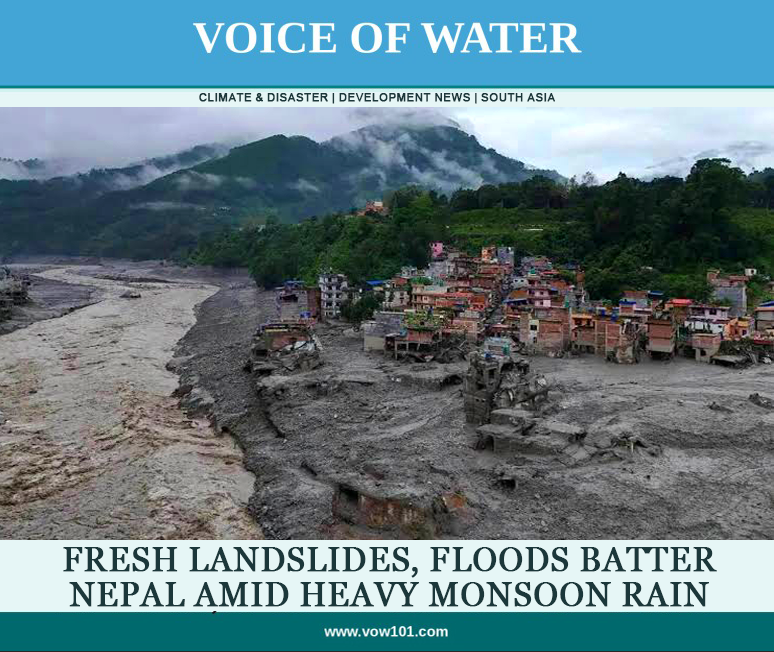
A landslide near Lete, Nepal has killed at least 24 people as flash flood warnings spread across 49 districts amid continuing heavy monsoon rainfall.
Fresh Landslides and Flash Floods Batter Nepal as Heavy Monsoon Rain Continues
Kathmandu, Nepal — September 29, 2026 — Heavy rainfall has triggered a fresh series of landslides, floods and avalanches across Nepal, with a mountain slope collapsing into the Kali Gandaki River near Lete in the northern Mustang district, as authorities warn communities in vulnerable areas to remain on high alert amid continuing severe weather.
Background
Nepal has been battered by an intense stretch of monsoon-driven disasters in recent days. A massive landslide struck near Lete in Mustang district on September 27–28, sending a huge section of mountainside crashing into the Kali Gandaki River and temporarily blocking its flow, before debris swept downstream carrying away homes and destroying bridges. The disaster has killed at least 24 people, with 14 still missing as of the latest count. The slide affected multiple districts along the river system, including Manang, Myagdi, Baglung, Parbat and Palpa.
Around 1,500 people have been displaced, with 747 families impacted. The disaster destroyed 143 houses and damaged dozens more. Bridges have been knocked out, and the 144-megawatt Kali Gandaki ‘A’ hydropower project has been taken offline. Rescue teams are continuing search and damage-assessment operations across the affected districts, though tough weather conditions are slowing progress.
The disaster follows a separate deadly avalanche on September 27 near Himlung Himal peak, which struck a mountaineering base camp and left at least four confirmed dead with search operations ongoing for missing trekkers and crew, according to the Nepal National Mountain Guide Association. Barun Bhandari, general manager of Himalayan Holidays, the company organizing the affected expedition, said the avalanche was unprecedented for the location: “This is the first time we have had an avalanche like this in this exact area. The ground is very flat at the base camp so we are quite surprised. But you never know, the mountain is unpredictable.” Heavy rainfall and limited communication in the area’s remoteness have complicated rescue efforts, including attempts to send a rescue helicopter to the base camp.
Widespread Flood Risk Across the Country
Nepali authorities warned on Sunday of possible flash floods in 49 of the country’s 77 districts, with more than half facing high flood or flash-flood risk as water levels in major rivers and tributaries continued to rise. The scale of this warning reflects how widely the current bout of heavy rain is affecting river systems across Nepal’s mountainous terrain, not just the areas already struck by landslides.
A Pattern of Compounding Disasters
This latest disaster arrives less than a month after a separate, even more catastrophic glacier collapse and flood event in the Himalayas in late August, which the COP31 Presidency recently cited at the WMO High-Level Session as claiming 1,386 lives with more than 5,130 people still missing. Taken together, the recurrence of major water-related disasters in Nepal within a matter of weeks underscores warnings from climate and hydrology experts that mountain regions dependent on glacial and monsoon-fed river systems face an increasingly volatile and dangerous combination of glacial melt, erratic rainfall and unstable terrain.
Conclusion
As rescue and damage-assessment operations continue across Nepal’s affected districts, the latest landslides and flash flood warnings highlight the mounting toll of compounding climate-related hazards on communities in the Himalayan region. With emergency services still working to reach isolated areas and authorities monitoring flood risk across nearly two-thirds of the country’s districts, the events of the past week add further urgency to international calls — including those raised at recent UN and COP31 forums — for stronger early warning systems and sustained investment in disaster resilience for climate-vulnerable mountain communities.