
New Compendium Honors 100 African Women in Water and Sanitation
AfWASA and RWSN launched a publication profiling 100 African women leading water, sanitation, and hygiene initiatives across the continent.
New Publication Spotlights 100 African Women Transforming the Continent’s Water and Sanitation Sector
AfWASA and RWSN launch compendium documenting engineers, policymakers, researchers, entrepreneurs, and community leaders driving progress in Africa’s WASH sector
The African Water and Sanitation Association (AfWASA) and the Rural Water Supply Network (RWSN) have launched a new publication, “100 African Women Leading Africa’s Water & Sanitation Future,” documenting the contributions of 100 women working across Africa’s water, sanitation, and hygiene (WASH) sector.
The Visibility Gap in Africa’s WASH Sector
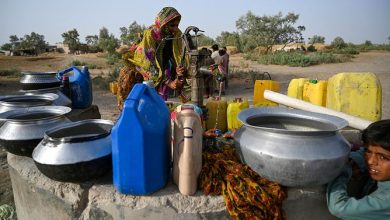
Women have long played a central role in the management, protection, and delivery of water and sanitation services across Africa, both in professional capacities and within community-level water management systems. In many African communities, women and girls remain primarily responsible for water collection, giving them direct, first-hand knowledge of local water challenges that often informs broader sector planning and policy decisions.
Despite this central role, women’s contributions within the formal WASH sector — spanning engineering, policy development, research, entrepreneurship, and institutional leadership — have historically received limited public visibility. This gap has meant that many of the women driving meaningful progress in water and sanitation systems across the continent have remained largely unrecognized outside their immediate professional or community circles, even as their work has had significant impact on water access and sanitation outcomes.
It is this visibility gap that AfWASA and RWSN have sought to address directly through the development of this new compendium.
What the Publication Documents
The compendium profiles 100 women involved in transforming water and sanitation systems across Africa, spanning a wide range of professional roles including engineers, policymakers, researchers, entrepreneurs, and community leaders. This breadth reflects an intentional effort to capture the full spectrum of ways in which women contribute to the WASH sector, rather than focusing narrowly on any single professional category such as technical engineering roles or policy positions alone.
According to the publication, the compendium was developed specifically to address the limited visibility historically given to women’s contributions in the sector, despite their central role in the management, protection, and delivery of water and sanitation services across the continent.
A Dual Purpose: Celebration and Strategic Tool
The publication describes itself as serving two complementary purposes. First, it functions as a celebration of leadership, recognizing the accomplishments and expertise of the 100 women profiled within its pages. Second, and perhaps more significantly, it is positioned as a strategic tool intended to strengthen representation, collaboration, and investment in women-led WASH initiatives going forward.
This dual framing suggests that the compendium is intended to do more than simply document past achievements — it is also designed to actively influence future sector dynamics, potentially informing decisions by funders, institutions, and partner organizations about where to direct support and collaboration within Africa’s water and sanitation landscape.
Supporting Intergenerational Knowledge-Sharing
Beyond its role in highlighting current leaders, the compendium also aims to support intergenerational knowledge-sharing within the sector by providing concrete examples and pathways for emerging professionals entering the WASH field. By documenting the career trajectories and experiences of established women leaders, the publication is intended to serve as a resource for younger professionals seeking guidance on how to navigate and advance within a sector that has not always provided visible role models or established pathways for women specifically.
Why This Matters
The launch of this compendium reflects a broader, ongoing conversation within the global water and sanitation sector about the importance of gender representation in shaping effective, inclusive water policy and infrastructure development. Given that women’s experiences with water collection and management often differ significantly from men’s — particularly in rural and underserved communities — ensuring that women are well represented in professional and leadership roles within the WASH sector has increasingly been recognized as important not just for equity, but for the practical effectiveness of water and sanitation programming itself.
By combining recognition of current leaders with an explicit strategic goal of strengthening future representation and investment, AfWASA and RWSN’s publication positions itself as part of a broader effort to reshape how women’s contributions to Africa’s water and sanitation future are recognized, supported, and built upon in the years ahead.