
Pakistan Eyes Powerful China Green Finance Model to Boost Climate Projects
Pakistan is exploring China’s green finance model to develop bankable climate projects, expand carbon markets, strengthen sustainable investment, and support youth-led green entrepreneurship initiatives.
ISLAMABAD: Pakistan is exploring ways to develop bankable climate projects by learning from China’s successful green finance model, focusing on sustainable investment, climate technology, and carbon market development.
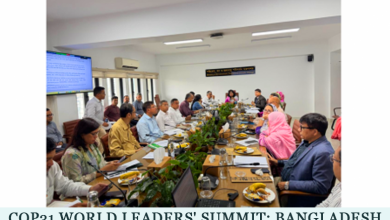
The discussions took place during a meeting between Federal Minister for Climate Change and Environmental Coordination Dr. Musadik Malik and Ma Jun, President of the Institute of Finance and Sustainability, in Islamabad.
Officials said Pakistan aims to strengthen climate financing mechanisms and mobilize investment for sustainable development projects as the country continues to face severe climate risks, including floods, heatwaves, droughts, and environmental degradation.
Pakistan Explores China’s Green Finance Model
Pakistan is among the countries most vulnerable to climate change and has been actively seeking access to climate finance, sustainable technologies, and global investment partnerships.
During the meeting, both sides discussed how Pakistan can develop commercially viable and bankable climate projects capable of attracting domestic and international investors.
“Pakistan is keen to benefit from global best practices and partnerships to accelerate its transition toward a green and sustainable economy,” Dr. Musadik Malik said.
The discussions highlighted the importance of combining finance, innovation, policy reforms, and technology to support Pakistan’s climate resilience and economic sustainability.
China’s Green Accelerator Program
Ma Jun briefed Pakistani officials about China’s Green Accelerator Program, launched in 2016 to support climate-related investment opportunities.
The program focuses on:
- Building bankable climate projects
- Mobilizing green finance
- Using carbon market mechanisms
- Supporting renewable energy projects
- Encouraging low-carbon development
Officials noted that China has developed the world’s largest green financing system, estimated at nearly $7 trillion.
China has also emerged as a global leader in renewable energy equipment production and electric vehicle manufacturing.
Pakistan Faces Growing Climate Risks
Pakistan continues to experience severe climate-related challenges, including:
- Extreme heatwaves
- Flooding disasters
- Drought conditions
- Glacial melting
- Food security threats
The country contributes less than one percent to global greenhouse gas emissions but remains one of the world’s most climate-vulnerable nations.
Experts believe expanding access to climate finance and green technologies is essential for improving resilience and supporting sustainable development.
Pakistan’s Green Fields Initiative
Dr. Musadik Malik also introduced Pakistan’s upcoming Green Fields initiative, which aims to connect environmentally focused entrepreneurs with local and international investors.
The initiative seeks to:
- Promote green entrepreneurship
- Support climate startups
- Create youth employment opportunities
- Encourage sustainable business models
- Expand climate innovation ecosystems
Officials said the initiative will help young entrepreneurs contribute to climate solutions while supporting economic growth and environmental sustainability.
Climate Technology and Carbon Markets Gain Attention
The meeting also explored the practical use of green technologies in agriculture, irrigation, and industrial sectors.
Discussions included:
- Precision irrigation systems
- Sustainable agriculture practices
- Low-carbon industrial models
- Renewable energy technologies
- Carbon market opportunities
Experts stressed that adopting modern green technologies can improve productivity, reduce emissions, and enhance Pakistan’s long-term climate resilience.
According to the World Bank, developing countries require increased climate investment and stronger international cooperation to meet future adaptation and mitigation goals.
Youth Participation Key to Green Transition
Officials emphasized the importance of involving Pakistan’s youth in climate action and sustainable business development.
The Green Fields initiative is expected to provide opportunities for startups and innovators working on climate-friendly projects to secure financing, mentorship, and technical support.
Observers believe youth-led innovation can play a major role in helping Pakistan transition toward a green economy.
Conclusion
Pakistan’s growing engagement with China on green finance and climate investment reflects the country’s broader strategy to build climate resilience and strengthen sustainable economic development.
As climate risks continue to intensify, officials believe partnerships focused on green technology, climate finance, and carbon market development will be critical for Pakistan’s future environmental and economic stability.
The collaboration also highlights increasing international interest in supporting climate-vulnerable countries through innovative financing mechanisms and sustainable investment frameworks.