Alarming Indus Water Treaty Violations Threaten Wildlife and Livelihoods in Northern Pakistan
Indus Water Treaty Violations are threatening wildlife, forests, livestock, agriculture, and water security in northern Pakistan amid growing ecological concerns.
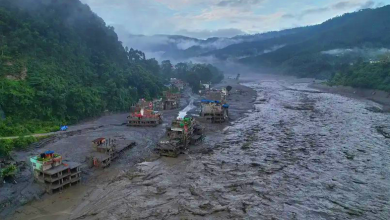
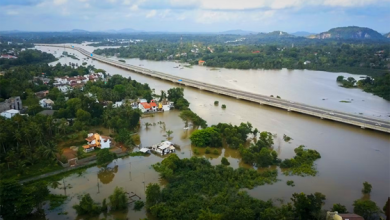
The growing concerns over Indus Water Treaty Violations are no longer limited to diplomatic tensions between Pakistan and India. Environmental experts, farmers, shepherds, and conservationists warn that reduced river flows could trigger devastating ecological, agricultural, and humanitarian consequences across northern Pakistan.
Communities living in mountainous regions of Khyber Pakhtunkhwa and Azad Kashmir fear that uncertainty surrounding the Indus Waters Treaty may threaten forests, wildlife habitats, orchards, and livestock-dependent livelihoods.
Fear and Uncertainty in Dubair Valley
Residents of Dubair Valley say the environment has changed dramatically amid growing concerns over Indus Water Treaty Violations.
Shepherds in the Lower Kohistan region depend heavily on the River Indus and nearby streams for their goats and sheep.
According to local resident Rehmanullah, livestock farming is central to family incomes and survival.
He warned that reduced river flows could severely impact:
- Goat and sheep populations
- Grazing lands
- Local businesses during Eidul Azha
- Rural livelihoods
Livestock and Farmers Fear Economic Losses
Thousands of people across Kohistan depend on rivers for:
- Livestock
- Fishing
- Timber trade
- Agriculture
Experts say disruptions in river flows could weaken local economies already vulnerable to climate-related pressures.
Communities fear that reduced water availability may increase poverty, unemployment, and food insecurity.
Environmental Experts Warn of Ecological Crisis
Environmental analysts stressed that the Indus Water Treaty Violations are evolving into a broader ecological issue rather than only a political dispute.
Experts warned that forests, orchards, mountain ecosystems, and biodiversity all depend on stable river systems.
Former forest conservator Gulzar Rehman explained that river ecosystems support entire chains of life.
He stated:
“When water flow of rivers changes, everything changes.”
Native Tree Species Under Threat
Environmental experts warned that more than 20 native tree species across northern Pakistan face growing risks due to water uncertainty.
These include:
- Olive trees
- Sacred fig trees
- Forest vegetation in mountainous areas
These trees play critical roles in:
- Preventing soil erosion
- Supporting biodiversity
- Providing shade and food
- Sustaining rural livelihoods
Fruit Orchards in Swat and Kohistan at Risk
The valleys of Swat Valley and Kohistan are known for fruit orchards including:
- Peach orchards
- Apple orchards
Pakistan produces large quantities of peaches annually, especially in northern Khyber Pakhtunkhwa.
Farmers now fear that water shortages linked to the Indus Water Treaty Violations may reduce crop yields and damage local agriculture.
Fruit grower Samad Khan warned that weakening orchards could increase:
- Poverty
- Hunger
- Child malnutrition
- Economic hardship
Wild Olive Forests Face Growing Vulnerability
Millions of wild olive trees spread across:
- Malakand
- Former tribal regions
- Potohar Plateau
Experts say these forests are vital for biodiversity and rural edible oil production.
Reduced water flow may weaken these ecosystems over time.
Wildlife Habitats Also Under Threat
Conservationists warned that the ecological consequences extend beyond agriculture and forests.
Species potentially affected include:
- Markhor
- Snow Leopard
- Himalayan Brown Bear
- Musk Deer
- Himalayan Monal
- Chukar Partridge
Experts warned that shrinking freshwater systems could reduce habitats and breeding areas.
Experts Call Water the Lifeline of Biodiversity
Former wildlife official Mumtaz Malik emphasized that freshwater systems sustain Himalayan biodiversity.
He warned that prolonged disruptions to river systems could severely affect ecological balance and food chains.
Food Security Concerns Intensify
Communities living along riverbanks depend on river systems for:
- Wheat farming
- Rice cultivation
- Livestock watering
- Household water use
Experts say declining river flows could undermine national food security.
Environmental specialist Shafiqur Rehman warned that reduced water supplies may increase:
- Desertification
- Drought
- Hunger
- Migration pressures
Climate Change Worsens Water Stress
Pakistan already faces serious climate risks including:
- Glacier melting
- Heatwaves
- Floods
- Droughts
Experts believe additional stress on river systems could intensify environmental instability in mountain regions.
The country remains among the world’s most climate-vulnerable nations despite contributing minimally to global greenhouse gas emissions.
Global Organizations Urged to Take Notice
Experts called on international organizations including:
- World Bank
- World Wide Fund for Nature
- International Union for Conservation of Nature
to closely monitor the environmental implications of the ongoing Indus Water Treaty Violations.
They stressed that water disputes now directly threaten ecosystems, biodiversity, and human survival.
External Resources
- World Bank information on the Indus Waters Treaty:
https://www.worldbank.org - WWF freshwater conservation initiatives:
https://www.worldwildlife.org
Conclusion
The growing concerns surrounding Indus Water Treaty Violations highlight how water disputes increasingly affect ecosystems, biodiversity, agriculture, and vulnerable mountain communities.
Experts warn that weakening river systems could trigger long-term ecological decline across northern Pakistan, threatening forests, orchards, wildlife habitats, and rural livelihoods.
As climate change intensifies water stress across South Asia, environmentalists argue that protecting river systems is no longer just a diplomatic issue — it is essential for ecological survival, food security, and regional stability.