
Punjab Flood Zones Clearance Ordered as CM Maryam Nawaz Announces Major Flood Control Plan
Punjab flood zones clearance ordered by CM Maryam Nawaz with strict ban on construction in waterways, new dams, drainage upgrades and disaster management reforms.
The Punjab flood zones clearance initiative aims to remove encroachments in river passages and flood channels that obstruct the natural flow of water.
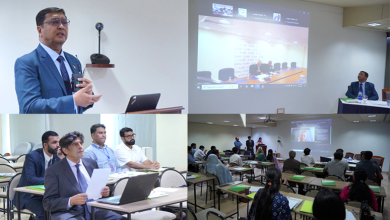
During the meeting, officials explained that illegal construction in waterways significantly increases flood risks by narrowing natural drainage routes.
To address this challenge, the provincial government has ordered a province-wide operation to clear these zones within three months.
Authorities were instructed to coordinate across departments to ensure the plan is implemented effectively.
Ban on Construction in Waterways
Chief Minister Maryam Nawaz directed strict enforcement of a ban on construction in waterways across Punjab.
Officials warned that any structure built illegally within flood channels will not qualify for financial compensation if it collapses during floods.
The decision is intended to discourage unauthorized construction and reduce future disaster risks.
Experts believe that urban encroachments and blocked drainage systems are among the main causes of severe flooding in Pakistan’s cities and rural areas.
By clearing flood zones, the government hopes to restore natural water flows and improve flood resilience.
Disaster Management Reforms
The meeting also approved major reforms to strengthen the Provincial Disaster Management Authority.
Under the restructuring plan:
- Eight new operational wings will be established
- Response capacity for emergencies will be improved
- Disaster monitoring and coordination systems will be upgraded
Additionally, the government approved the creation of:
- District Emergency Operation Centres
- Regional Disaster Centres
- Emergency relief warehouses
These measures are expected to improve coordination during disasters and ensure faster response times during floods.
The chief minister also approved the provision of modern rescue equipment to Rescue 1122 for flood operations.
New Mini-Dams and Water Storage Projects
The government also approved the construction of 17 mini-dams across Punjab as part of its flood mitigation strategy.
These dams are intended to help regulate water flows, improve irrigation, and reduce flood pressure on major rivers.
Authorities also discussed plans to increase water storage capacity at two important water control structures:
- Kalabagh Barrage
- Sadhnai Barrage
Increasing storage capacity at these barrages will help manage water surges during heavy rainfall and monsoon floods.
The meeting also reviewed the introduction of inflatable dam technology, which can help control water levels and improve flood management efficiency.
Flood Rehabilitation and Infrastructure Recovery
Officials informed the chief minister that major rehabilitation work has already been completed on flood-affected infrastructure.
According to the briefing:
- 186 roads spanning 563 kilometres have been restored
- 446 culverts damaged by floods have been rebuilt
- One major bridge has been repaired
These reconstruction projects are essential for reconnecting flood-hit communities and restoring transportation networks.
High-Risk Flood Zones Identified
Authorities presented data showing the scale of flood vulnerability across the province.
Along the five major rivers of Punjab:
- 1,990 areas are classified as high-risk flood zones
- 1,278 areas fall into medium-risk zones
- 3,169 areas are considered low-risk zones
Officials also reported that 183 irrigation projects are currently underway across the province.
As part of flood prevention efforts, desilting operations will be carried out in:
- 298 drains and flood channels
- 67 drainage systems
Desilting helps remove sediment buildup that reduces drainage capacity and worsens flooding during heavy rainfall.
Relief Operations and Humanitarian Impact
The meeting also reviewed the humanitarian impact of recent floods across Punjab.
According to the Provincial Disaster Management Authority, floods have affected more than 2,300 villages and displaced approximately 1.5 million people.
Authorities reported that 481,000 stranded individuals have already been evacuated to safer areas.
Relief efforts include:
- 511 relief camps established in flood-affected districts
- 351 medical camps providing healthcare services
- 321 veterinary facilities supporting livestock
Rescue teams have also relocated more than 405,000 livestock to safer locations.
Rising Casualties and Damage
Officials confirmed that at least 30 people have died during the ongoing floods.
Two of the deaths occurred in Lahore after lightning strikes.
Floodwaters have caused widespread destruction of crops, homes, and livestock, with damage assessments still ongoing.
Punjab Relief Commissioner Nabeel Javed stated that compensation would be provided to affected farmers, especially those who lost crops and livestock.
Farmers and Communities Facing Losses
Farmers in several districts reported heavy agricultural losses.
Residents in Sialkot and Pakpattan said entire harvests of rice and sugarcane had been destroyed.
Displaced residents in Multan and Rajanpur also complained about shortages of rescue boats and difficulties transporting livestock.
In other districts such as Kasur, thousands of families have been evacuated as river levels continue to rise.
Authorities say rescue teams are using boats to relocate residents from the most severely affected areas.
Cultural Message on Saraiki Ajrak Day
In a separate message marking Saraiki Ajrak Day, Chief Minister Maryam Nawaz congratulated the people of the region.
She stated that Punjab remains a custodian of Pakistan’s diverse cultures and traditions.
The message highlighted the importance of preserving regional heritage alongside addressing major development challenges.
Conclusion
The Punjab flood zones clearance initiative represents one of the most ambitious flood prevention measures undertaken by the provincial government.
By removing illegal construction from waterways, strengthening disaster management institutions, and investing in infrastructure projects such as dams and drainage systems, authorities aim to reduce flood risks across the province.
However, the ongoing humanitarian crisis shows that flood preparedness remains a major challenge.
Experts say sustained investment in climate resilience, urban planning, and water management will be essential to protect communities from future disasters.