
Sherry Rehman Pollution Crisis Warning: 7 Serious Alarms Pakistan Must Not Ignore
Sherry Rehman pollution crisis warning highlights Pakistan’s severe air quality emergency, WHO’s alarming death figures, and urgent reforms needed to protect public health.
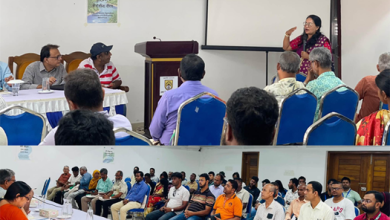
The Sherry Rehman pollution crisis statement delivered in Islamabad on Thursday has drawn national and international attention. Rehman criticized the Environmental Protection Agency (EPA) for failing to present reliable and updated air quality data to the Senate Standing Committee on Climate Change despite months of notice.
Her remarks highlight a growing environmental emergency affecting cities across Pakistan, particularly Lahore, Islamabad, Karachi, and major districts in Punjab.
WHO Data Reveals Shocking Health Emergency
According to Senator Sherry Rehman, recent World Health Organization (WHO) reports show that Pakistan records 256,000 pollution-related deaths annually—a figure significantly higher than the combined casualties of terrorism in the country.
She emphasized that:
- This represents a public health catastrophe
- Air pollution levels exceed WHO safe limits
- Respiratory and cardiac diseases are rising dramatically
For factual reference, WHO’s official data shows Pakistan among countries with the highest PM2.5 pollution exposure globally (Source: WHO Air Quality Database – DoFollow link at the end).
EPA Under Fire for Weak Reporting and Poor Governance
The Sherry Rehman pollution crisis debate reached a critical point when she condemned the Pakistan Environmental Protection Agency (Pak-EPA) for presenting:
- Outdated statistics
- Missing assessments
- Incomplete smog data
- No credible monitoring strategy
Despite three months’ notice, the EPA failed to present even a single fully verified document. Rehman described this as “institutional negligence directly compromising public health.”
Pakistan’s Air Quality Ranking Among the Worst Globally
Senator Rehman highlighted shocking rankings:
- Pakistan is now the 3rd most polluted country in the world
- Lahore stands among the top 3 most polluted cities, alongside Delhi
- Toxic air reduces life expectancy by up to 4.6 years
Independent global indices like IQAir consistently place Lahore at hazardous levels during winter.
Impact on Children and Public Health
Among the most devastating aspects of the Sherry Rehman pollution crisis discussion is the impact on children. According to the Senator:
- 11 million children under age 5 in Punjab face direct exposure
- Children breathe twice as fast as adults
- Smog is increasing cases of pneumonia, asthma, and bronchitis
She stressed that pollution is becoming the largest silent killer in Pakistan.
Economic Damage: $22 Billion Lost Every Year
The World Bank estimates that Pakistan loses $22 billion annually due to air pollution—approximately 6.5% of GDP.
Economic losses arise from:
- Healthcare costs
- Reduced worker productivity
- Crop damage
- Infrastructure corrosion
- Lost tourism
Rehman noted that the economic burden is “unsustainable and worsening rapidly.”
Punjab’s Smog Management Measures
Punjab’s Director General EPA briefed the Senate Committee on several initiatives:
- A central Smog War Room
- Low-cost air sensors for district-level monitoring
- Crackdown on industrial polluters
- Thousands of furnace feeds tracked through live monitoring
- AI-based systems in development for early pollution alerts
- A network of 44 monitoring stations
However, Rehman argued that these steps remain insufficient without federal coordination and stronger enforcement.
Major Pollution Sources Identified
Punjab’s newly completed Source Apportionment Study revealed the shocking breakdown of pollution sources:
- Transport – 83%
- Industry – major smog contributor
- Agriculture residue burning
- Waste burning
- Domestic and commercial activities
The overwhelming 83% share from transport underlines the urgent need for:
- Cleaner fuels
- Hybrid/electric vehicles
- Mass transit expansion
- Emissions testing enforcement
This directly supports Rehman’s argument that air pollution is a governance crisis, not just an environmental one.
Solutions Proposed by the Senate Climate Committee
During the Sherry Rehman pollution crisis hearing, the committee proposed several critical steps:
1. Establish a Federal Air Quality Control Task Force
To harmonize monitoring and enforcement across provinces.
2. Upgrade Monitoring Infrastructure
Implement real-time PM2.5 and PM10 sensors nationwide.
3. Clean Fuel Transition
Mandatory introduction of Euro-5 and Euro-6 compliant fuels.
4. Smog Emergency Protocols
Seasonal advisories, school closures, and healthcare alerts.
5. Strict Action Against Industrial Polluters
Enforce penalties on factories failing emissions standards.
6. National Urban Forestry Drive
Expand tree cover to counteract particulate matter.
7. Public Awareness Campaigns
Educate households, farmers, and transport operators.
These steps echo global best practices adopted by cities such as Beijing and New Delhi.
Conclusion
The Sherry Rehman pollution crisis briefing underscores an urgent national emergency. With WHO highlighting catastrophic health impacts and the World Bank warning of economic losses, Pakistan cannot afford to delay action.
Improved monitoring, strict enforcement, and coordinated government strategy are essential if Pakistan hopes to protect its citizens—especially children—from the dangers of polluted air.
Senator Rehman’s call for decisive, scientific, and accountable governance may be the turning point the country desperately needs.
External & Internal Links
External Links
- WHO Air Quality Database: https://www.who.int/data
- World Bank Environment Data: https://www.worldbank.org/environment
- IQAir Global Pollution Ranking: https://www.iqair.com