Pakistan Monsoon Floods 2025 Cause Devastating Climate Crisis and Massive Humanitarian Emergency
Pakistan Monsoon Floods 2025 displaced millions, damaged infrastructure, triggered disease outbreaks, and exposed rising climate vulnerability across the country.
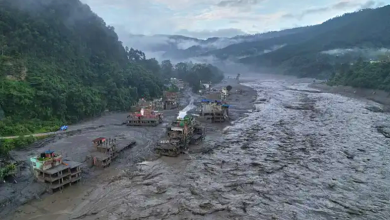
The Pakistan Monsoon Floods 2025 created one of the country’s most devastating climate emergencies in recent years, affecting millions of people across all major provinces and exposing Pakistan’s growing vulnerability to climate-induced disasters.
The monsoon season began in late June and intensified between August and September, bringing exceptionally heavy rainfall, widespread flash flooding, river overflows, and localized Glacial Lake Outburst Floods (GLOFs). The disaster severely impacted provinces including Punjab and Khyber Pakhtunkhwa, which emerged as the worst-hit regions.
Although floodwaters gradually receded by late 2025, humanitarian needs and recovery challenges continue to persist.
Pakistan Monsoon Floods 2025 Cause Widespread Destruction
The Pakistan Monsoon Floods 2025 triggered extensive damage across urban and rural areas.
According to the National Disaster Management Authority:
- More than 1,037 people lost their lives
- Over 1,060 individuals were injured
- Millions were directly affected nationwide
Children were among the most vulnerable victims, with hundreds of child fatalities reported during the disaster.
Millions Displaced During Pakistan Monsoon Floods 2025
At the height of the crisis:
- More than 2.5 million people were displaced
- Over 3 million people were rescued or evacuated
Mass evacuations were conducted through large-scale emergency operations coordinated by the government and humanitarian organizations.
Thousands of temporary relief camps were established to shelter displaced families.
Punjab Faces Worst Flooding in Decades
Punjab experienced some of the most severe flooding seen in the region in over 40 years.
Major rivers affected included:
- Sutlej River
- Ravi River
- Chenab River
Approximately 4 to 4.5 million people were affected in Punjab alone as floodwaters submerged settlements, roads, and agricultural land.
Khyber Pakhtunkhwa Hit by Flash Floods and Landslides
Khyber Pakhtunkhwa suffered intense rainfall, cloudbursts, and deadly flash floods.
Mountainous districts including Buner experienced:
- Landslides
- Community isolation
- Infrastructure collapse
Remote areas faced major difficulties accessing rescue and relief services.
Infrastructure Damage Across Pakistan
The Pakistan Monsoon Floods 2025 severely damaged national infrastructure.
Reports indicate:
- Thousands of homes damaged or destroyed
- Hundreds of kilometers of roads washed away
- Dozens of bridges collapsed
- Electricity and communication networks disrupted
Transport systems and supply chains were also heavily affected, slowing relief operations.
Agriculture Suffers Major Losses
Pakistan’s agriculture sector faced devastating consequences during the floods.
More than:
- 2.2 million hectares of agricultural land were inundated
Key crops affected included:
- Rice
- Cotton
- Maize
- Sugarcane
Livestock losses and destruction of farming equipment further weakened rural livelihoods and increased economic pressure.
Food Security and Economic Strain Intensify
The flooding disrupted Pakistan’s agrarian economy, particularly in Punjab, the country’s agricultural hub.
Consequences included:
- Crop destruction during the Kharif harvest season
- Rising food prices
- Reduced household incomes
However, authorities reported that improved reservoir levels may support wheat cultivation during the 2025–26 Rabi season.
Public Health Emergency Emerges
The Pakistan Monsoon Floods 2025 also triggered severe public health risks.
Floodwaters and overcrowded camps contributed to outbreaks of:
- Cholera
- Diarrhea
- Dengue
- Malaria
Contaminated water supplies and damaged sanitation systems worsened conditions, especially for children and vulnerable communities.
Water and Sanitation Crisis Continues
Approximately 30 percent of Water, Sanitation and Hygiene (WASH) systems remained compromised by late 2025.
Millions continued facing:
- Limited access to clean drinking water
- Poor sanitation
- Restricted healthcare access
This increased the risk of recurring disease outbreaks.
Vulnerable Groups Face Greater Risks
Certain populations were disproportionately affected during the crisis.
These included:
- Women and children
- Older persons
- Persons with disabilities
- Afghan refugees and undocumented migrants
Over 1.5 million malnourished children remained highly vulnerable to contaminated water and disease outbreaks.
Northern communities also faced harsh winter conditions linked to La Niña weather patterns.
Government and Humanitarian Response
The Government of Pakistan led relief operations through the National Disaster Management Authority and Provincial Disaster Management Authorities.
Humanitarian support was also provided by:
- Pakistan Red Crescent Society
- International Federation of Red Cross and Red Crescent Societies
- United Nations agencies
- Multiple NGOs
Relief efforts included:
- Emergency shelter
- Food assistance
- Medical services
- Cash assistance
- WASH support
Pakistan Monsoon Floods 2025 Recovery Phase Begins
By late 2025, authorities gradually shifted from emergency response toward early recovery initiatives.
Recovery priorities include:
- Shelter reconstruction
- Livelihood restoration
- Agricultural recovery
- Climate-resilient infrastructure
- Improved flood warning systems
Despite progress, recovery remains uneven and fragile.
Climate Change Intensifies Pakistan’s Vulnerability
The Pakistan Monsoon Floods 2025 once again highlighted Pakistan’s extreme vulnerability to climate change.
Experts warn that:
- Monsoon events are becoming more intense
- Glacier melting is accelerating
- Flood frequency is increasing
Pakistan contributes less than one percent of global emissions but remains among the world’s most climate-vulnerable countries.
Conclusion
The Pakistan Monsoon Floods 2025 have left a lasting humanitarian, economic, and environmental impact across the country.
While rescue operations and relief efforts prevented even greater catastrophe, millions of Pakistanis continue struggling to recover from displacement, infrastructure destruction, and public health risks.
The disaster underscores the urgent need for climate-resilient planning, stronger infrastructure systems, and increased international climate financing to help vulnerable nations adapt to increasingly severe climate events.
As Pakistan moves toward recovery, the floods serve as another stark reminder of the escalating global climate crisis and the urgent need for coordinated international action.
Download Report Link: Pakistan | Monsoon Floods 2025 Report
External Resources
- National Disaster Management Authority:
https://ndma.gov.pk - United Nations humanitarian updates:
https://www.unocha.org