
Sherry Rehman Climate Change Warning Highlights Alarming Environmental Crisis in Pakistan
Sherry Rehman Climate Change warning calls for urgent action on water scarcity, pollution, climate disasters, and environmental protection to secure Pakistan’s sustainable future.
ISLAMABAD: Sherry Rehman Climate Change concerns took center stage on World Environment Day as Pakistan Peoples Party (PPP) Vice President Senator Sherry Rehman called for immediate and collective action to address the growing environmental challenges facing the country. She warned that climate change is no longer a future threat but a present-day crisis impacting Pakistan’s economy, food security, water resources, and public health.
In her World Environment Day message, Senator Sherry Rehman emphasized that Pakistan has suffered massive economic losses due to climate-related disasters and urged policymakers, institutions, and citizens to work together to build a greener and more climate-resilient future.
Sherry Rehman Calls for Climate Action
The Sherry Rehman Climate Change message highlighted the urgency of addressing environmental threats that continue to intensify across Pakistan.
Speaking on World Environment Day, the senior PPP leader stressed that climate change is affecting every aspect of national life and requires immediate action at both governmental and community levels.
She emphasized that environmental protection should not be viewed as a secondary issue but as a national priority linked directly to economic stability, food production, water security, and public well-being.
Pakistan’s Rising Climate Vulnerability
Pakistan remains among the countries most vulnerable to climate change despite contributing less than one percent of global greenhouse gas emissions.
The country continues to experience:
- Extreme heatwaves
- Devastating floods
- Prolonged droughts
- Glacier melt
- Water shortages
- Air pollution
Climate experts have repeatedly warned that Pakistan’s geographic location and dependence on climate-sensitive sectors such as agriculture increase its exposure to environmental risks.
According to Sherry Rehman, recent climate-related disasters demonstrate the urgent need for stronger adaptation and resilience measures.
Economic Losses from Climate Disasters
Sherry Rehman Climate Change Warning Highlights Financial Costs
One of the most significant concerns raised by Senator Rehman was the enormous economic impact of climate disasters.
She stated that Pakistan has suffered an estimated $59 billion in economic losses over the last three decades due to climate-related events.
These losses have resulted from:
- Flood damage
- Infrastructure destruction
- Agricultural losses
- Displacement of communities
- Reduced economic productivity
The devastating floods of 2022 and 2025 exposed Pakistan’s vulnerability to extreme weather events and demonstrated the need for improved climate preparedness.
Experts warn that climate-related economic losses could continue to increase without substantial investments in resilience and adaptation.
Water Scarcity Reaches Critical Levels
Pakistan Faces Severe Water Stress
Water security remains one of the most pressing environmental challenges facing Pakistan.
According to Senator Rehman, per capita water availability has declined dramatically over the years.
The figure has fallen from approximately 5,000 cubic meters per person to below 1,000 cubic meters, placing Pakistan in the category of water-stressed countries.
Several factors contribute to this crisis:
- Population growth
- Climate change
- Inefficient water use
- Groundwater depletion
- Changing rainfall patterns
Experts have repeatedly warned that water scarcity could become one of the country’s most serious long-term challenges.
Threats to Glaciers and Freshwater Resources
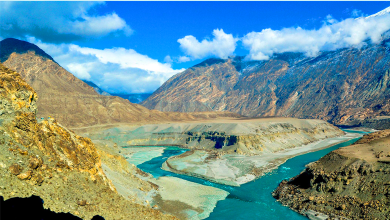
Pakistan is home to some of the world’s largest glacier systems outside the polar regions.
However, rising temperatures continue to threaten these vital freshwater reserves.
Sherry Rehman expressed concern over:
- Accelerated glacier melting
- Reduced freshwater availability
- Increased flood risks
- Long-term water insecurity
Glaciers play a critical role in maintaining river flows that support agriculture, drinking water supplies, and hydropower generation across Pakistan.
Protecting these resources remains essential for national water security.
Plastic Waste and Environmental Pollution
Growing Waste Management Challenges
The Sherry Rehman Climate Change message also focused on Pakistan’s worsening waste management problems.
According to her remarks, Pakistan generates approximately:
- 50.79 million tonnes of solid waste annually
- Nearly 3 million tonnes of plastic waste every year
Poor waste management contributes to:
- Land pollution
- Water contamination
- Urban flooding
- Ecosystem degradation
Environmental experts have consistently identified plastic pollution as one of the country’s fastest-growing environmental threats.
Air Pollution and Public Health Concerns
Air quality continues to deteriorate in several Pakistani cities.
Sherry Rehman warned that rising pollution levels are creating serious health risks for millions of people.
Air pollution has been linked to:
- Respiratory illnesses
- Cardiovascular diseases
- Reduced productivity
- Premature deaths
Urban centers frequently experience hazardous air quality conditions, particularly during winter months.
Experts emphasize that reducing emissions and improving environmental regulations are critical for protecting public health.
Positive Steps Toward Environmental Protection
Plastic Ban Receives Support
Senator Rehman welcomed the 2026 legislation banning plastic book covers in Islamabad.
She described the measure as a positive step toward reducing single-use plastics and promoting environmental sustainability.
Although small in scale, such initiatives can contribute to broader efforts aimed at reducing waste and encouraging environmentally responsible behavior.
Environmental advocates have called for similar policies to be expanded nationwide.
Clean Energy and Sustainable Solutions
Building a Climate-Resilient Pakistan
Despite the challenges, Sherry Rehman emphasized that meaningful progress remains possible.
She highlighted several priority areas:
Renewable Energy Expansion
Increasing investments in:
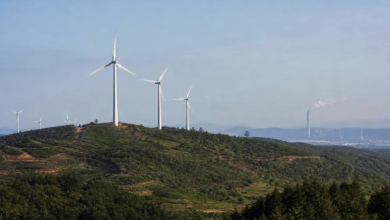
- Solar energy
- Wind power
- Hydropower
- Clean technologies
Large-Scale Afforestation
Tree plantation initiatives can help:
- Absorb carbon emissions
- Reduce heat stress
- Protect biodiversity
- Improve ecosystem resilience
Water Conservation
Efficient water management practices can strengthen resilience against droughts and future water shortages.
Modern Waste Management
Improved waste collection, recycling systems, and treatment facilities can significantly reduce environmental pollution.
Experts agree that these measures are essential for sustainable development and long-term climate adaptation.
Citizens’ Role in Environmental Protection
Environmental Responsibility Starts at Home
Sherry Rehman stressed that environmental protection is not solely the responsibility of governments.
Every citizen can contribute through simple actions such as:
- Conserving water
- Planting trees
- Reducing plastic consumption
- Recycling waste
- Saving energy
Public participation remains a critical component of successful environmental policies.
Building awareness and encouraging sustainable lifestyles can create meaningful long-term change.
Conclusion
The Sherry Rehman Climate Change warning serves as an important reminder that Pakistan’s environmental challenges require urgent and coordinated action.
From water scarcity and glacier melt to pollution and climate disasters, the country faces a complex set of interconnected risks that threaten economic growth, food security, and public health.
While Pakistan contributes only a small share of global emissions, it remains highly vulnerable to climate impacts. Strengthening resilience through clean energy, afforestation, water conservation, and effective waste management will be essential for safeguarding future generations.
As World Environment Day highlights the importance of protecting the planet, Senator Sherry Rehman’s message underscores a simple but critical reality: meaningful action cannot be delayed any longer.