

COP31 Presidency Warns of Rising Climate Risks at WMO Session
At the WMO High-Level Session, COP31's Presidency cites Nepal's glacier flood disaster and Türkiye's extreme weather to urge stronger early warning systems.
COP31 Presidency Warns Climate Risks Are “Directly Affecting” Lives at WMO High-Level Session
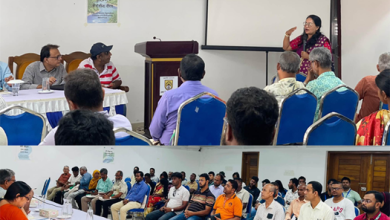
Geneva, September 16, 2026 — Addressing the World Meteorological Organization (WMO) High-Level Session 2026, the COP31 Presidency delivered a stark warning that climate risks are now directly affecting people’s lives, livelihoods, cities and development prospects worldwide, pointing to record temperatures, melting glaciers, and a warned-of El Niño toward the end of 2026 as evidence of an increasingly unstable global climate system.
Background
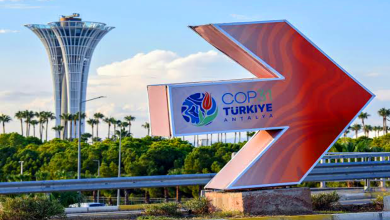
Decades of scientific knowledge and experience underpin the world’s shared understanding of climate change, guiding both decisions and international cooperation. As the COP31 Presidency, Türkiye emphasized its responsibility to safeguard this scientific foundation and strengthen the link between science and action — a theme that ran throughout the session, held ahead of COP31 in Antalya this November.
The World Meteorological Organization was described as one of the world’s most valuable sources of scientific knowledge, with its data showing that the global climate system is more unstable than ever before.
The Human Cost: Nepal and Türkiye
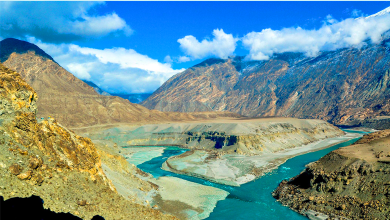
The Presidency pointed to a recent glacier collapse in the Himalayas that triggered devastating floods in Nepal just weeks before the session, hitting entire communities, roads, bridges and energy infrastructure. The disaster claimed 1,386 lives, with more than 5,130 people still missing at the time of the address. “If we want to understand the consequences of climate change, we need only look at Nepal,” the Presidency said.
Türkiye’s own climate data reflects a similarly troubling picture, with rising temperatures and increasingly erratic rainfall patterns. In 2025, the country recorded its lowest rainfall in 52 years; in 2026, it reached its highest level in 66 years. Over the past decade, heavy rainfall has triggered floods and landslides in some provinces, leaving homes and streets underwater, while other parts of the country have battled forest fires.
Early Warning Systems as a “Basic Human Security Need”
The Presidency argued that accurate observations, reliable forecasts and timely warnings are now among the world’s most basic human security needs, since effective action begins with understanding risk. Weather and climate information provide the scientific basis for decisions on disaster preparedness, water management, agricultural and health protection, and resilient city planning — making stronger observation, forecasting and early warning systems central to COP31’s implementation focus.
Türkiye reaffirmed strong support for the WMO’s Early Warnings for All initiative, highlighting its own capabilities through the Turkish State Meteorological Service, which monitors weather using observation systems, weather radars, satellite data and forecasting models. Its MeteoUYARI system uses color codes to indicate approaching hazards, delivering warnings to the public and relevant authorities at both provincial and district levels — allowing risks to be identified earlier and giving decision-makers more time to act.
The Presidency also highlighted the agricultural stakes of accurate forecasting, noting that for farmers, a temperature change of just a few degrees, rain arriving early, unexpected hail, or a single night of frost can affect an entire year’s work. Weather forecasts help farmers decide when to sow, irrigate, spray and harvest — directly strengthening food security.
COP31: An “Implementation COP”
The Presidency reiterated that COP31 has been framed from the outset as an “Implementation COP,” focused on delivering on existing commitments and addressing the barriers countries face in finance, technology and capacity. This approach — described as “Dialogue, Consensus and Action” — seeks to understand different national circumstances, build broader common ground, and turn agreement into tangible results.
The Presidency pointed to progress already made through its Action Agenda, announced in Bonn, which sets out ten priorities including clean energy and electrification, zero waste, resilient cities, green industrialization, youth and education, food security, oceans and seas, resilient health systems, Rio Synergies, and the Climate Implementation Bridge. By 2035, the Presidency aims to accelerate electrification, reduce energy use in buildings, slow the growth of waste, increase circular material use, and strengthen climate education.
Recent milestone events were cited as evidence of this implementation-focused approach: discussions on resilient cities in Hatay, where the region was rebuilt within two years following a major disaster; the Istanbul Climate Finance Summit’s focus on closing the investment gap; discussions on oceans and seas in Trabzon; and needs assessments conducted in Ankara with representatives from more than 100 countries. The Presidency confirmed that New York Climate Week, the Pre-COP in Fiji, and the World Leaders Summit are next on the agenda, with a thematic day dedicated to science planned for COP31 itself in Antalya.
Capacity Building Commitment
Closing the address, the Presidency committed to continuing to share Türkiye’s meteorological knowledge and experience with other countries through the Turkish State Meteorological Service, alongside ongoing training programmes to strengthen technical capacity in least developed countries. Over the next three years, Türkiye pledged to train 30 technical staff from least developed countries annually.
Conclusion
The COP31 Presidency’s address at the WMO High-Level Session underscores a consistent message ahead of Antalya: that science and early warning systems must be placed at the center of climate action, not treated as separate from it. With recent disasters in Nepal and Türkiye’s own climate volatility offered as stark illustrations of the stakes, the Presidency’s emphasis on moving “beyond words” toward concrete implementation sets a clear benchmark against which COP31’s outcomes in November will likely be measured.