
Climate Finance Pakistan Inequality: Alarming Gaps Leave Vulnerable Communities Behind
Climate finance Pakistan inequality is emerging as a critical concern as experts warn that funds meant to address climate risks are largely bypassing the most vulnerable communities.
The issue of climate finance Pakistan inequality has gained urgency as experts highlight that climate funding is not reaching the communities most at risk.
Despite Pakistan being one of the most climate-vulnerable countries, funding continues to favor projects with higher financial returns rather than those addressing immediate human vulnerabilities.
Mitigation vs Adaptation Funding Imbalance
A major concern in climate finance Pakistan inequality is the imbalance between mitigation and adaptation funding.
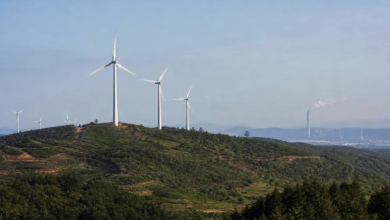
- Most funds go to renewable energy projects
- Adaptation projects receive limited investment
- Flood control and water management remain underfunded
Experts note that adaptation projects are often seen as less profitable, leading to reduced financial support.
Why Vulnerable Communities Are Ignored
Climate funding in Pakistan tends to concentrate in regions with stronger institutional capacity.
This results in:
- Higher investment in Punjab and urban Sindh
- Lower funding in Balochistan and interior Sindh
- Neglect of high-risk rural populations
This pattern worsens climate finance Pakistan inequality.
Call for Policy Reforms and PFC Implementation
Experts have called for major policy changes to address climate finance Pakistan inequality.
Key recommendations include:
- Linking PSDP allocations to climate risk screening
- Ensuring all projects include adaptation measures
- Making the Provincial Finance Commission (PFC) mandatory
These steps would align development spending with climate resilience goals.
Regional Disparities in Climate Funding
Significant regional disparities continue to define climate finance distribution.
While developed provinces receive more funding, highly vulnerable areas remain underserved.
- Balochistan faces water scarcity and drought
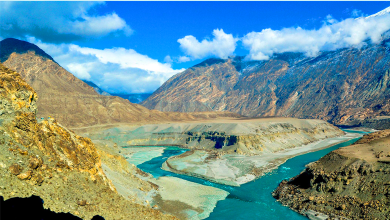
- Gilgit-Baltistan is exposed to glacier risks
- Interior Sindh faces flooding and heat stress
This unequal distribution deepens climate finance Pakistan inequality.
Rising Climate Risks Across Pakistan
Experts warn that climate risks are intensifying nationwide:
- Heatwaves in central and eastern Punjab
- Glacial lake outburst floods (GLOFs) in northern areas
- Landslides disrupting communities
Despite these threats, funding for adaptation remains insufficient.
Need for Pre-Arranged Climate Support Systems
Experts advocate shifting from reactive disaster response to proactive systems.
Proposed solutions include:
- Parametric insurance for rapid payouts
- Data-driven disaster triggers
- Adaptive social protection programs
These mechanisms can improve efficiency and reduce climate finance Pakistan inequality.
Impact on Agriculture and Rural Livelihoods
Agriculture, which supports millions in Pakistan, remains highly vulnerable.
Challenges include:
- Lack of financial protection for farmers
- Exposure to floods and droughts
- Limited access to climate finance
Smallholder farmers, especially in floodplains, are among the worst affected.
Global Climate Finance Reform Demands
Experts are calling for reforms at the global level:
- Shift from 90:10 to 50:50 adaptation-mitigation funding
- Increase grant-based financing
- Allocate funds specifically for vulnerable countries
These changes are essential to address climate finance Pakistan inequality.
Conclusion
Climate finance Pakistan inequality highlights a critical gap in how climate resources are distributed.
Without urgent reforms, vulnerable communities will continue to face disproportionate risks from climate change.
Aligning funding with vulnerability, improving governance, and adopting proactive financial systems are key to building climate resilience in Pakistan.