

After COP31’s Collapse: What Survives From Antalya and What Comes Next
COP31 failed to adopt the Antalya Pact, but a just transition deal and electrification initiatives survive. See what comes next before COP32 in Addis Ababa.
After COP31’s Collapse: What Survives From Antalya and What Comes Next
COP31 closed on Sunday without adopting the Antalya Pact, but not everything in Antalya failed. UN officials and negotiators pointed to specific outcomes that remain, and to unfinished business that now moves to COP32 in Addis Ababa, Ethiopia.
What survives
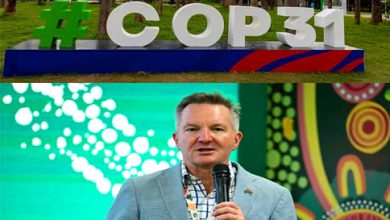
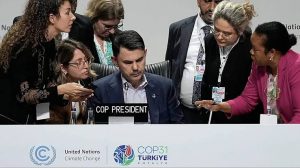
UN climate chief Simon Stiell highlighted progress made during the conference, including an agreement on a just transition and a series of initiatives under the COP31 Action Agenda aimed at accelerating electrification, resilience and investment. Chris Bowen pointed to more than 90 countries that signed up to a commitment to undertake faster electrification of their energy systems.
That is a distinction worth keeping clear. The just transition agreement is a negotiated outcome, while the Action Agenda pledges are voluntary and do not bind anyone. An electrification pledge signed by 90 countries is a signal of intent, not a legal obligation.
What does not survive
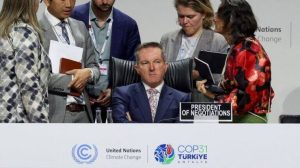
The cover decision, the political headline of the summit, was not adopted. Multiple compromise drafts by the co-presidents tried to win consensus, including by acknowledging that the world is on course to exceed 1.5°C while calling for expanded carbon-removal technologies, but they failed. Finance language, including the proposed tripling of adaptation finance to $120 billion by 2035, went with it.
The unfinished questions
The focus now shifts to COP32 in Addis Ababa, where governments will face the questions left open in Antalya, from the transition away from fossil fuels to mobilising climate finance for developing countries. Guterres noted that governments already agreed at COP28 in Dubai to transition away from fossil fuels, and said the priority is to accelerate and finance that shift. The practical argument is that Antalya did not remove that commitment, though it failed to reinforce it.
Voluntary coalitions
One report says some nations are now setting up voluntary pacts outside the UN process. That route has precedent: groups of countries have formed alliances on methane, coal phase-out and forests when consensus stalls. Such coalitions can move faster than the full UN process, but they cover only the countries that join, and the largest fossil fuel producers may stay outside.
Background: why consensus failed
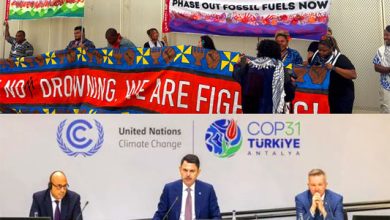
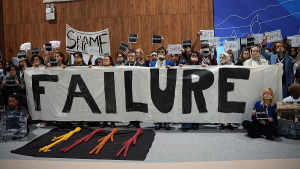
The UN process requires unanimity, and COP31’s text had to bridge a wide gap. Negotiators were unable to bridge differences between a coalition of climate-vulnerable nations and countries pushing for a stronger commitment to move away from coal, oil and gas, and those seeking to protect economies heavily dependent on fossil fuel exports. Reports of the closing session also describe disagreement over carbon capture and storage, which Saudi Arabia defended and critics called a false solution.
What Pakistan and developing countries say
Pakistan warned against sacrificing the broader package, while Ghana, speaking for the African Group, said it would not stand in the way of consensus despite gaps on finance, loss and damage and just transition. Those positions show a split inside the developing world: some countries preferred an imperfect deal to none, while others, including Panama and the Marshall Islands, rejected it. That split may shape coalitions before COP32.
What to watch
Three developments will matter in the next year. First, whether intersessional talks in Bonn pick up technical items left unfinished. Second, whether the electrification pledge and just transition agreement turn into funded programmes. Third, whether the COP32 hosts in Ethiopia set early priorities on adaptation finance, which is a core African demand. The next steps for COP32 preparations have not yet been announced in the sources I reviewed.
Why it matters beyond the negotiating room
Guterres said the real measure of progress is whether countries reduce fossil fuel dependence, expand clean energy, cut methane emissions, restore forests and deliver climate finance to developing nations. That test applies with or without a cover decision. Governments still submit national plans and report on emissions, and businesses and cities continue to invest. The failure in Antalya removes a political signal, but not the underlying processes.
Conclusion
COP31 produced a just transition agreement and a set of voluntary initiatives, but not the political declaration most delegations wanted. The unresolved fight over fossil fuels and finance now passes to COP32 in Addis Ababa, with a sharper split among developing countries. How governments use the coming year, in Bonn, in coalitions and at home, will decide whether Antalya is remembered as a pause or as a setback.