

Pakistan Water Week 2026 Day 3: From Evidence to Action
Day 3 of Pakistan Water Week 2026 explored solar irrigation, aquifer recharge, Karez systems, drought health action and youth leadership in water policy.
Pakistan Water Week 2026 Day 3: From Evidence to Action on Water, Food and Climate Security
Government, researchers, development partners, the private sector and young professionals explored practical solutions and the investments needed to scale them.
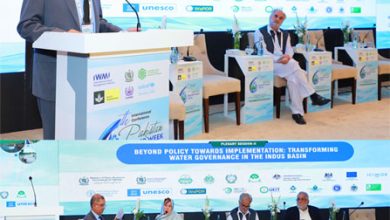
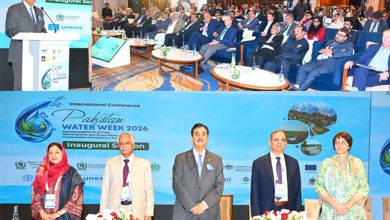
Day 3 of Pakistan Water Week 2026 focused on a practical question: how can Pakistan turn water research and innovation into decisions that strengthen water, food and climate security? Government representatives, researchers, development partners, the private sector and young professionals came together to discuss solutions that work and the investments needed to take them to scale.
The sessions covered groundwater, drinking water, traditional water systems, food systems, drought and health, and youth participation. The common thread was that Pakistan already has valuable research, experience and innovation. The challenge now is putting that knowledge to work.
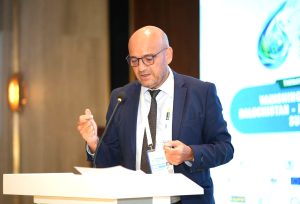
Solar Irrigation and Groundwater: Balancing Benefits and Risks
One key discussion looked at solar-powered irrigation. Solar systems can support farmers, but participants stressed the need for safeguards against groundwater depletion.
The conversation was informed by the International Water Management Institute’s (IWMI) emerging Cost-Carbon-Water assessment. By considering the economic, carbon and water dimensions together, the approach aims to help decision-makers weigh the benefits of solar irrigation against its pressure on groundwater.
Australian Water Innovations for the Indus Basin
Another session explored Australian water innovations and their relevance to Pakistan. Topics included:
Climate-adapted livelihoods
Salinity management
Artificial intelligence-based water forecasting
Infrastructure investment in the Indus Basin
These themes reflect the range of tools being considered to help Pakistan manage water under changing climate conditions.
Drinking Water Security and Managed Aquifer Recharge
Participants also examined drinking water security, with a focus on managed aquifer recharge. Discussions looked at how the approach can contribute to long-term resilience and, importantly, what is needed to scale it responsibly. The emphasis on responsible scaling suggests that expanding such solutions requires careful planning and sound evidence, not just enthusiasm.
Protecting Balochistan’s Karez Systems
Attention also turned to Balochistan’s Karez systems, which are centuries-old and community-managed. Discussions focused on protecting these traditional water systems, including proposals for UNESCO World Heritage recognition. The session showed that water security draws on heritage and local knowledge as well as new technology.
Climate-Resilient Food Systems
Water and food security are closely linked, and Day 3 reflected that. Speakers discussed scaling smart irrigation, nature-based solutions and other innovations discussed through the Commission on Water for Food Futures. The goal is to help food systems withstand climate pressures while using water more effectively.
Drought and Health: From Early Warning to Anticipatory Action
Participants reviewed the Drought Action Catalyst’s approach, which aims to move from early warning to anticipatory action that protects people’s health. The idea is that knowing a drought is coming is not enough. Warnings need to trigger timely action that safeguards communities.
Youth Leadership in Water Decision-Making
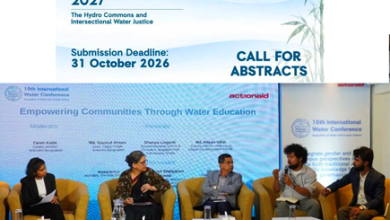
Young professionals were part of the decision-making discussions on Day 3. Senior officials responded to their proposals and perspectives, giving the next generation a direct channel to those shaping water policy.
The Way Forward: Turning Knowledge into Lasting Water Security
The message from Day 3 was clear. Pakistan has valuable research, experience and innovation to draw on. The next step is translating that knowledge into policies, investments and practical action that deliver lasting water security.
From solar irrigation safeguards to aquifer recharge, from traditional Karez systems to anticipatory drought action, the discussions pointed to a shared priority: connecting evidence with decisions. As Pakistan Water Week 2026 continues, that focus on implementation is likely to remain central to the conversation.