
WHO Releases Updated Guidelines for Drinking-Water Quality Safety
WHO's updated Guidelines for Drinking-Water Quality offer countries new evidence-based tools for water safety, as 2.1 billion still lack safe water access.
WHO Releases Updated Guidelines for Drinking-Water Quality to Strengthen Global Water Safety Standards
Geneva, August 13, 2026 — The World Health Organization (WHO) has released updated “Guidelines for Drinking-Water Quality,” offering countries the latest scientific evidence and practical tools to strengthen regulations, surveillance, and risk management around safe drinking water. The updated guidance comes as billions of people worldwide continue to lack access to safely managed water sources, underscoring the urgency of coordinated global action.
Background
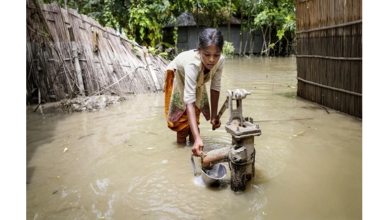
Access to safe drinking water remains one of the most persistent global health challenges. According to WHO, 2.1 billion people still lack safely managed drinking-water, including 106 million who drink directly from rivers, lakes, and other surface water sources — exposing them to serious risks of waterborne disease and contamination. These figures highlight the gap between international development commitments, such as the Sustainable Development Goals, and the reality faced by many communities, particularly in low-resource settings.
WHO’s Guidelines for Drinking-Water Quality have served as the global reference point for national water safety regulation for decades, guiding governments in setting standards, building institutional capacity, and managing risks throughout the water supply chain — from source to consumer. The guidelines are periodically revised through a rolling process to reflect new scientific evidence, emerging contaminants, and lessons learned from implementation across different country contexts.
Key Features of the Updated Guidelines
The newly released edition continues to emphasize a preventive, risk-based approach to water safety, structured around three core pillars: the establishment of health-based targets, proactive water safety planning, and independent surveillance to verify that safety measures are working. The guidelines also place strong emphasis on the role of governments in creating the regulatory frameworks, institutions, and resources necessary to guarantee safe drinking water for their populations.
Notable updates in this edition include:
- Strengthened guidance on small water supplies, which often serve rural and underserved communities
- Enhanced protocols for sanitary inspections to identify contamination risks
- Updated evidence and management guidance on microbial contamination, including emerging viruses and waterborne pathogens
- Revised information on selected chemical hazards, including pesticides used for vector control in drinking-water systems
This fourth edition incorporates three addenda and formally supersedes all previous versions, including the edition published in 2022, consolidating years of incremental updates into a single authoritative reference document.
Conclusion
The release of these updated guidelines gives countries — including those still working to close significant water access gaps — a strengthened, evidence-based framework to improve national water safety standards. With over 2 billion people still lacking safely managed drinking water, WHO’s emphasis on preventive risk management, robust surveillance, and government accountability offers a practical roadmap for reducing waterborne health risks worldwide. Governments and water utilities are expected to draw on this updated guidance as they revise national regulations and strengthen water safety planning in the months ahead.