
Dushanbe Declaration Calls for Greater Global Ambition on Water
The Dushanbe Declaration urges stronger integration of water issues into climate, biodiversity, and sustainable development processes ahead of 2026-2028 UN Water Conferences.
Dushanbe Declaration Calls for Elevated Global Engagement on Water Ahead of 2026 and 2028 UN Water Conferences
Fourth High-level International Conference on the Water Action Decade concludes with declaration urging stronger integration of water issues across climate, biodiversity, and sustainable development processes
Participants at the Fourth High-level International Conference on the Water Action Decade, held from May 25–28, 2026, in Dushanbe, Tajikistan, have reaffirmed water as a priority on the international agenda, calling for a high level of ambition heading into the 2026 and 2028 UN Water Conferences.
The Water Action Decade and Dushanbe Process
The UN Water Action Decade, running from 2018 to 2028, was established to accelerate global progress toward Sustainable Development Goal 6 — universal access to clean water and sanitation — while mobilizing broader international action on water management. As the decade approaches its final years, attention has increasingly turned to ensuring that the commitments made under its framework translate into concrete outcomes before the initiative concludes.
The Dushanbe Water Process has served as a recurring high-level platform within this broader decade-long effort, convening periodic international conferences aimed at taking stock of progress, showcasing scalable water solutions, and strengthening partnerships among the many stakeholders engaged in global water policy. The Fourth High-level International Conference represents the latest iteration of this process, building on previous Dushanbe conferences that have similarly sought to maintain international momentum on water issues throughout the decade.
The Dushanbe Conference
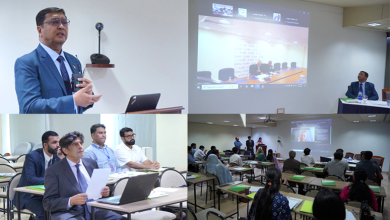
The conference brought together world leaders, representatives of the United Nations and other international organizations, and major groups and stakeholders to collectively assess progress on the Water Action Agenda. Participants used the gathering to showcase scalable water solutions and to strengthen partnerships among the diverse array of governments, institutions, and civil society actors engaged in global water policy efforts.
Key Elements of the Dushanbe Declaration
The conference concluded with the adoption of the Dushanbe Declaration, which calls for stronger engagement on water-related issues across a range of upcoming high-level international meetings. Specifically, the declaration urges greater integration of water considerations into processes addressing climate change, biodiversity, desertification, disaster risk reduction, and sustainable development more broadly — reflecting a broader push to position water not as an isolated sectoral issue, but as a cross-cutting priority relevant to multiple major international policy tracks.
The declaration also puts forward a specific procedural proposal: that the co-hosts of the 2026 and 2028 UN Water Conferences present the results and voluntary commitments generated at each conference as formal inputs to the UN High-level Political Forum on Sustainable Development. This proposal is intended to help ensure that outcomes from the water-specific conferences are directly incorporated into the broader UN sustainable development review process, rather than remaining siloed within water-focused forums alone.
Next Steps
As part of the process moving forward, a Co-Chairs’ summary of the Dushanbe conference, together with the broader contributions of the Dushanbe Water Process, will be presented at the 2026 UN Water Conference. This step is designed to carry forward the momentum and specific recommendations generated in Dushanbe into the next major international water conference, ensuring continuity between the two events.
Why This Matters
The Dushanbe Declaration’s emphasis on integrating water issues across multiple high-level international processes reflects a growing recognition among global policymakers that water security cannot be addressed in isolation from other major global challenges, including climate change and biodiversity loss. By proposing that outcomes from the UN Water Conferences feed directly into the High-level Political Forum on Sustainable Development, the declaration also aims to strengthen the institutional linkages between water-specific policy discussions and the broader UN sustainable development architecture, potentially increasing the visibility and accountability of water-related commitments made at these conferences.
As the Water Action Decade enters its final years before concluding in 2028, declarations of this kind are likely to play an important role in shaping how the international community measures progress and sustains political attention on water security through the decade’s remaining high-level milestones.