
Powerful Silk Road Caravan Unites Nations to Champion Rangelands and Pastoralists Across Eurasia
The Silk Road Caravan rangelands pastoralists initiative by UNCCD is crossing Eurasia in 2026 to spotlight food security, climate resilience, and the vital role of pastoral communities. Discover the full story.
The Silk Road Caravan rangelands pastoralists initiative is one of the most ambitious and inspiring conservation journeys of 2026. Launched by the United Nations Convention to Combat Desertification (UNCCD), this transcontinental caravan travels along the ancient Silk Road — one of history’s most legendary trade and cultural corridors — to shine a much-needed spotlight on the world’s rangelands and the pastoral communities who depend on them.
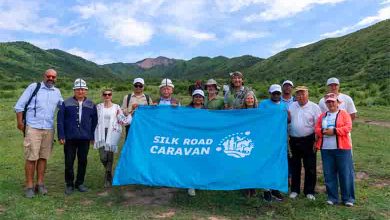
Stretching from Riyadh, Saudi Arabia, all the way to Ulaanbaatar, Mongolia, the caravan brings together pastoralists, documentary filmmakers, land scientists, and policy advocates in a shared mission: to tell the story of grasslands, drylands, and the people who have stewarded them for thousands of years.
This initiative is not just a journey — it is a declaration. A declaration that rangelands are not wastelands. They are living ecosystems essential to food security, water cycles, biodiversity, and climate resilience.
2. Why Rangelands Matter More Than Ever
Rangelands — which include grasslands, savannas, shrublands, and steppes — cover more than half of the Earth’s land surface. Despite their vast expanse, they remain among the most misunderstood and undervalued ecosystems on the planet.
Here is why they are critically important:
- Food Security: Rangelands support over 1 billion people globally, many of whom rely on livestock as their primary source of nutrition and income.
- Water Security: Healthy rangelands act as natural sponges, absorbing rainfall and recharging groundwater aquifers that supply rivers and communities.
- Carbon Storage: Rangeland soils store enormous quantities of carbon. When degraded, they release it — accelerating climate change.
- Biodiversity: They are home to iconic wildlife species and serve as migration corridors for animals across continents.
Yet, rangelands are disappearing at an alarming rate. Degradation driven by overuse, climate change, and lack of policy recognition threatens to unravel the ecological and social fabric that pastoral communities have built over millennia.
The Silk Road Caravan rangelands pastoralists journey is a powerful response to this crisis.
3. The Route: From Riyadh to Ulaanbaatar
The caravan traces the footsteps of ancient traders, monks, and nomads who once crossed Eurasia’s vast interior.
Starting Point: Riyadh, Saudi Arabia
Riyadh serves as the symbolic launchpad — a city rising from the Arabian Peninsula’s drylands, where pastoralism has shaped culture, economy, and identity for generations. Saudi Arabia’s rangelands, though arid, support remarkable pastoral traditions and are increasingly threatened by desertification.
Crossing Central Asia
From the Arabian Peninsula, the route sweeps through the heart of Central Asia — Iran, Turkmenistan, Uzbekistan, Kyrgyzstan, and Kazakhstan — traversing some of the world’s most extraordinary steppe landscapes.
These regions are home to some of the last great nomadic herding cultures. Kazakh eagle hunters, Kyrgyz yurt dwellers, and Mongolian herders all depend on healthy rangelands for their way of life.
End Point: Ulaanbaatar, Mongolia
Mongolia represents the heartland of global pastoralism. The country has one of the highest ratios of livestock to people on Earth. Traditional herders — known locally as malchin — have managed the vast Mongolian steppe for thousands of years using time-tested, sustainable practices.
Ulaanbaatar is not just a destination. It is a symbol. It signals that the world’s most respected traditions of sustainable land management deserve recognition, protection, and celebration.
4. UNCCD and the International Year of Rangelands and Pastoralists 2026
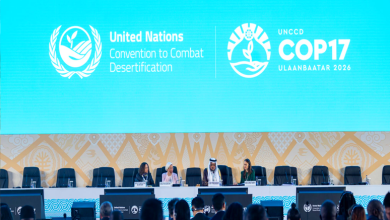
The Silk Road Caravan rangelands pastoralists expedition is a flagship event of the International Year of Rangelands and Pastoralists (IYRP) 2026, declared by the United Nations General Assembly.
IYRP 2026 is a global platform designed to:
- Raise awareness of the ecological and social value of rangelands
- Advocate for policy reforms that protect pastoralists’ land rights
- Promote sustainable land management practices
- Integrate pastoralist knowledge into national and international climate strategies
The UNCCD — which operates under the UN to address land degradation and drought — sees IYRP 2026 as a turning point. For decades, pastoralists have been marginalized in land use policies. IYRP 2026 marks a global commitment to change that.
Learn more at the UNCCD official website
5. Pastoralists: The Unsung Guardians of Our Planet
Across the Silk Road route, the caravan will meet communities who embody a profound truth: pastoral peoples are environmental stewards, not environmental problems.
For centuries, Western conservation narratives have blamed herders for overgrazing and land degradation. Yet modern science increasingly vindicates pastoralism as a highly sophisticated and adaptive land management system.
Key Facts About Pastoralists
- Pastoralists manage approximately 25% of the world’s land surface
- They produce 10% of the world’s meat supply with minimal fossil fuel inputs
- Traditional pastoral systems have built-in rotational grazing mechanisms that prevent overuse
- Pastoralist knowledge of weather patterns, plant cycles, and animal behavior is invaluable for climate adaptation
The Silk Road Caravan rangelands pastoralists project will document these communities through film, photography, and oral histories — creating an irreplaceable archive of living knowledge.
6. Storytelling as a Tool for Conservation
One of the most innovative aspects of the Silk Road Caravan is its deliberate use of narrative and media as conservation tools.
Filmmakers traveling with the caravan will capture the landscapes, the herders, the animals, and the ecological transitions happening in real time. These documentaries and short films will be distributed globally, screened at policy forums, and shared across social media platforms.
Why storytelling? Because data alone does not change minds. Stories do.
When a viewer watches a Mongolian grandmother describe how the steppe she knew as a child is now bare and cracked, or sees a Kazakh herder move his flock in search of grass that no longer exists — that is when policy becomes personal. That is when change becomes urgent.
The caravan also invites experts and scientists to join the journey, ensuring that the stories told are grounded in rigorous evidence and can inform the highest levels of global policy-making.
7. Climate Stability and the Hidden Power of Rangelands
Rangelands are among the most powerful — and least recognized — natural climate regulators on Earth.
Carbon Sequestration
Rangeland soils hold up to 30% of the world’s terrestrial carbon. When rangelands are degraded, this carbon is released into the atmosphere. Conversely, well-managed rangelands actively sequester carbon, making them a critical nature-based climate solution.
Water Regulation
Healthy rangelands slow runoff, reduce flooding, and maintain the water table. In arid and semi-arid regions — which make up much of the Silk Road route — this function is irreplaceable.
Albedo and Local Climate
Vegetation cover in rangelands affects surface albedo (how much sunlight the ground reflects). Bare, degraded land absorbs more heat, raising local temperatures and accelerating desertification. Maintaining vegetative cover is literally a way to cool the planet.
The Silk Road Caravan rangelands pastoralists initiative aims to elevate these scientific realities into mainstream climate conversations — from UNFCCC negotiations to national development plans.
8. How You Can Support the Movement
The Silk Road Caravan is more than a journey — it is a call to action. Here is how individuals, organizations, and governments can get involved:
- Follow and share the caravan’s updates on social media using #SilkRoadCaravan and #IYRP2026
- Advocate for national policies that recognize pastoralists’ land rights and rangeland protection
- Support NGOs working with pastoralist communities (see the World Initiative for Sustainable Pastoralism)
- Educate through schools, universities, and community groups about the value of rangelands
- Engage with UNCCD’s policy processes during IYRP 2026 events
Every voice raised in support of rangelands and pastoralists is a step toward a more sustainable, equitable, and resilient planet.
9. Conclusion
The Silk Road Caravan rangelands pastoralists initiative is more than a geographic journey from Riyadh to Ulaanbaatar. It is a journey of recognition — recognition of the billions of people whose livelihoods, cultures, and futures are intertwined with the health of the world’s rangelands.
Launched by UNCCD as part of the International Year of Rangelands and Pastoralists 2026, this caravan carries a message the world urgently needs to hear: rangelands are not empty land. They are full of life, full of knowledge, and full of solutions.
As the caravan crosses steppes, deserts, and mountain passes along the ancient Silk Road, it carries not just cameras and scientific instruments — it carries hope. Hope that with awareness, advocacy, and action, rangelands and the pastoral communities who steward them will finally receive the protection and recognition they deserve.
This is a story of survival, resilience, and the enduring bond between people and the land. And it is a story the world must hear — now, before it is too late.