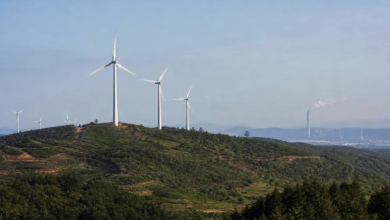

Pakistan Ten Billion Tree Tsunami Creates Powerful Climate Action and Green Jobs Revolution
Pakistan Ten Billion Tree Tsunami plants 10 billion trees to fight climate change, restore forests, create green jobs, and strengthen rural communities.
The Pakistan Ten Billion Tree Tsunami has become one of the world’s most ambitious environmental restoration programs, positioning Pakistan as a major example of climate action and ecological recovery.
Launched under the broader Green Pakistan initiative, the program successfully planted 10 billion trees within just three years, aiming to combat climate change, reduce deforestation, and strengthen fragile rural economies.
The initiative reflects Pakistan’s growing efforts to address climate vulnerability despite contributing less than one percent to global greenhouse gas emissions.
What Is the Pakistan Ten Billion Tree Tsunami?
The Pakistan Ten Billion Tree Tsunami is a nationwide reforestation initiative designed to restore forest cover, improve biodiversity, and increase climate resilience.
The project seeks to:
- Combat climate change
- Reduce desertification
- Improve water conservation
- Protect ecosystems
- Generate sustainable employment opportunities
Officials describe the initiative as a long-term environmental and socio-economic transformation strategy.
Pakistan’s Forest Cover Remains Critically Low
Pakistan currently has approximately 5 percent forest cover, significantly below the global average.
Environmental experts warn that without aggressive reforestation efforts, the country faces growing threats from:
- Desertification
- Heatwaves
- Soil erosion
- Water scarcity
- Flooding
The Pakistan Ten Billion Tree Tsunami was launched to address these escalating environmental risks.
Program Began in Khyber Pakhtunkhwa
The initiative first started in Khyber Pakhtunkhwa, where authorities successfully regenerated one billion trees before 2021.
This early success became the foundation for expanding the program nationwide under the Green Pakistan framework.
The provincial experience demonstrated that large-scale ecological restoration was possible through coordinated government action and community participation.
Pakistan Ten Billion Tree Tsunami Creates Millions of Green Jobs
Beyond environmental restoration, the Pakistan Ten Billion Tree Tsunami has generated substantial economic benefits.
According to program estimates:
- More than 2 million green jobs were created
Employment opportunities emerged in areas including:
- Tree nurseries
- Forest surveillance
- Plantation work
- Rural environmental management
Many of these jobs benefited young people and low-income rural communities lacking stable employment opportunities.
Rural Communities Benefit from Reforestation
The project has also strengthened rural economies by providing alternative income sources and reducing climate-related migration pressures.
Communities involved in the initiative gained:
- Temporary employment
- Environmental awareness
- Improved local infrastructure
- Economic resilience
Experts note that linking climate action with livelihood support increases the long-term sustainability of reforestation programs.
Satellite Data Shows Forest Recovery
Independent satellite analyses indicate that the Pakistan Ten Billion Tree Tsunami has already produced measurable ecological improvements.
Reports show:
- A net increase of approximately 300 square kilometers of forest mass in targeted areas up to 2020
Authorities also implemented additional measures such as:
- Restricting grazing in vulnerable areas
- Increasing forest monitoring
- Reducing illegal deforestation
These policies supported natural regeneration alongside active plantation efforts.
Climate Benefits Emerging Slowly
While forest regeneration has become visible, immediate climate impacts remain moderate.
Some regions with higher plantation density recorded:
- Slight rainfall increases between 0.5% and 0.8%
However, experts caution that forests require years to mature before producing substantial effects on:
- Air quality
- Local temperatures
- Carbon absorption
- Hydrological systems
Environmental scientists emphasize that reforestation is a long-term climate strategy rather than an instant solution.
Challenges Facing the Pakistan Ten Billion Tree Tsunami
Despite international praise, the program continues facing significant challenges.
Ecologists warn that poorly designed reforestation can:
- Strain water resources
- Disrupt agricultural land use
- Introduce unsuitable tree species
To address these concerns, authorities prioritized ecosystem-specific species selection.
Examples include:
- Conifers in mountainous regions
- Drought-resistant trees in plains and arid zones
This approach aims to improve ecological compatibility and long-term survival rates.
Tree Survival Remains the Biggest Test
One of the most important issues surrounding the Pakistan Ten Billion Tree Tsunami is ensuring long-term survival of planted trees.
Authorities have introduced:
- Independent audits
- Plantation monitoring systems
- Survival verification programs
These efforts seek to ensure that the reforestation campaign produces lasting environmental benefits rather than short-term plantation statistics.
Pakistan Positions Itself as Climate Leader
The initiative has elevated Pakistan’s international reputation in climate diplomacy and environmental restoration.
Despite limited emissions, Pakistan remains among the countries most vulnerable to:
- Floods
- Heatwaves
- Glacier melt
- Water shortages
The Pakistan Ten Billion Tree Tsunami demonstrates how developing nations can still contribute significantly to global climate action.
Balancing Environment, Economy, and Society
Experts believe the project’s strongest achievement lies in combining:
- Environmental restoration
- Economic development
- Social inclusion
This integrated approach could serve as a model for other climate-vulnerable nations seeking sustainable adaptation strategies.
External Resources
- United Nations Environment Programme:
https://www.unep.org - Pakistan climate initiatives information:
https://www.worldbank.org/en/country/pakistan
Conclusion
The Pakistan Ten Billion Tree Tsunami represents one of the most ambitious reforestation efforts in the world and highlights Pakistan’s growing commitment to climate resilience and environmental restoration.
While the immediate climate effects remain gradual, the project has already delivered meaningful progress through forest regeneration, green job creation, and rural economic support.
The long-term success of the initiative will depend on sustained monitoring, tree survival, ecological planning, and continued investment in climate adaptation.
As climate risks intensify globally, Pakistan’s “green tsunami” offers an important example of how environmental action can also generate economic and social benefits for vulnerable communities.